


 English
  русский
  Español
  عربى
عربى  日本語
日本語 
 Home / News / Industry News / Why Are Angular Contact Ball Bearings Essential for Handling Combined Radial and Axial Loads?
Why Are Angular Contact Ball Bearings Essential for Handling Combined Radial and Axial Loads?
 2026.04.22
 Industry News
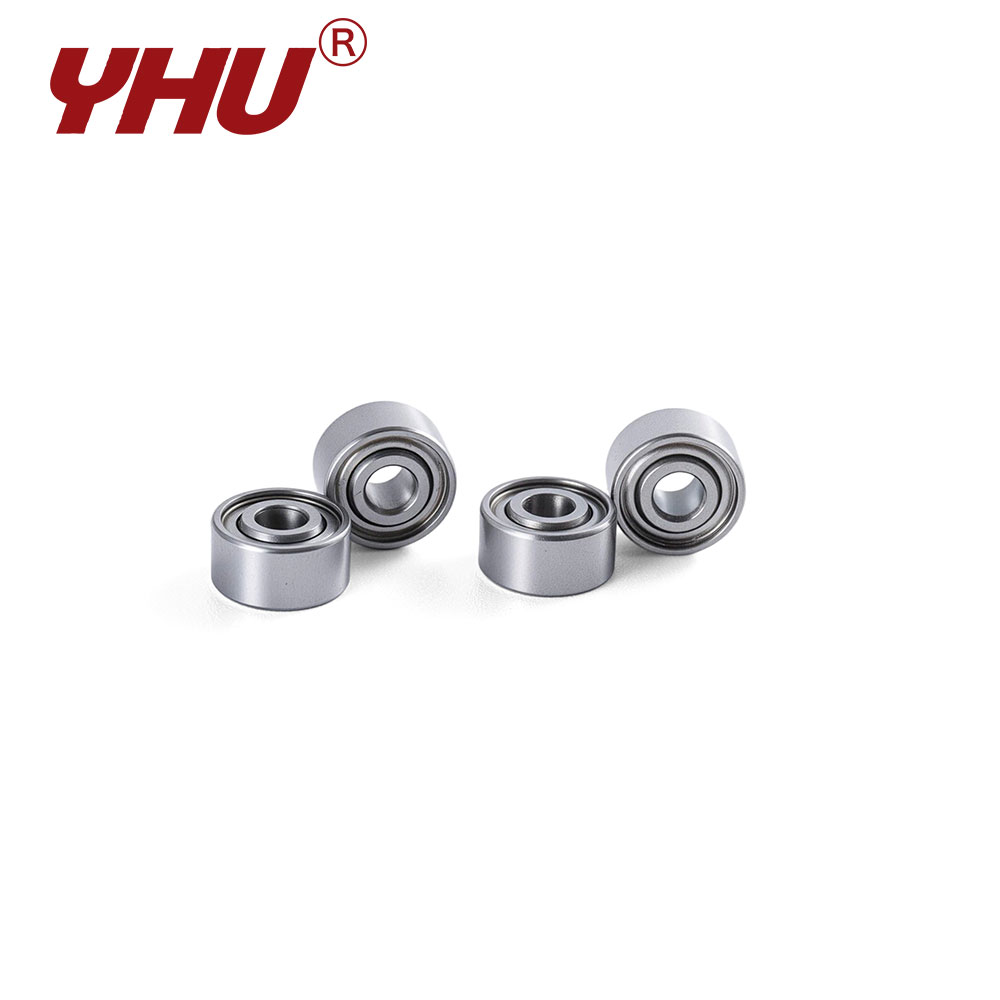
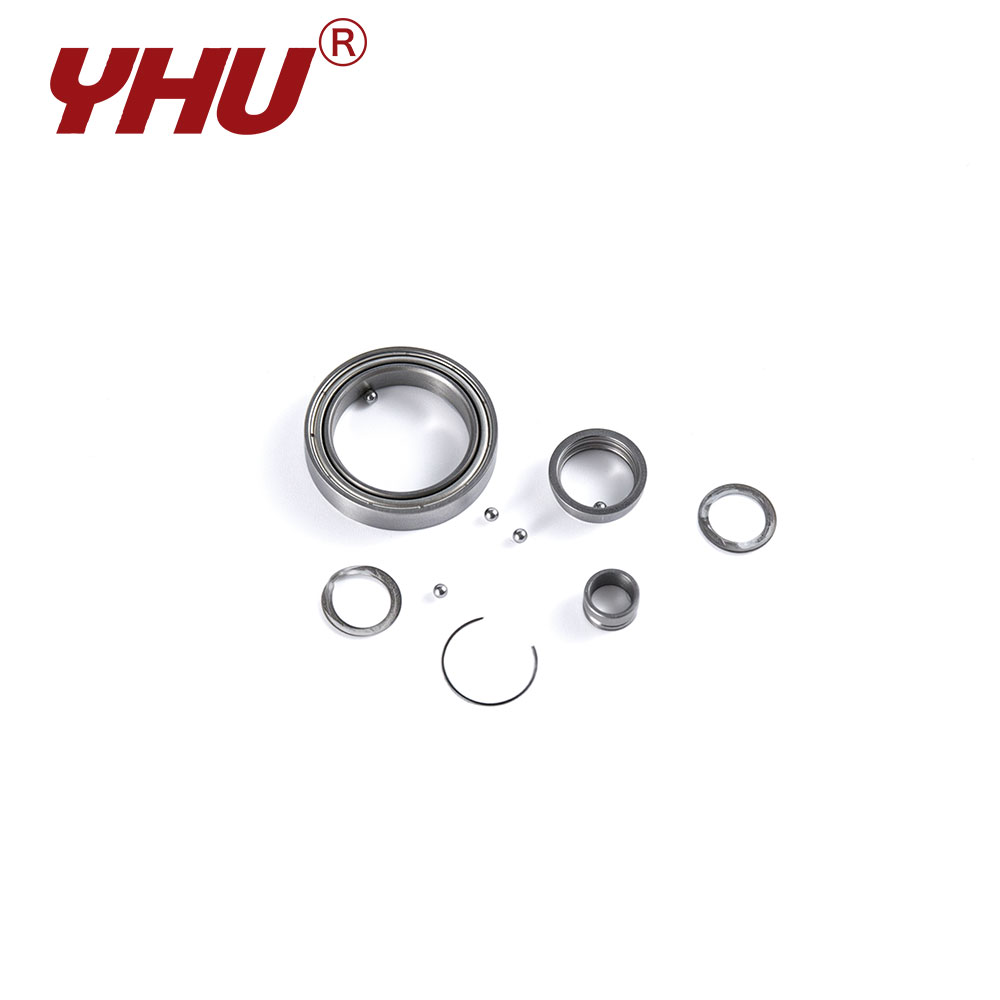
Angular contact ball bearings are essential for handling combined loads because their inner and outer raceways are offset along the bearing axis. This built-in contact angle creates a direct, uninterrupted load path through the balls, allowing the bearing to seamlessly transmit both perpendicular (radial) and parallel (axial) forces.
The specific design advantages that make them indispensable include:
The specific design advantages that make them indispensable include:
●The Contact Angle (α): The defining feature of these bearings. When a radial load is applied, it inherently generates an internal axial force. The designated angle ensures this force is efficiently channeled from one race to the other without damaging the internal structure.
●Axial Capacity Scales with Angle: The steeper the contact angle, the higher the axial load capacity the bearing can support. Bearings are generally produced with angles of 15°, 25°, or 40° to easily match different application demands.
●Versatile Configurations: They can be mounted in pairs—such as Back-to-Back (DB), Face-to-Face (DF), or Tandem (DT)—to support heavy bi-directional axial loads and provide extreme system stiffness (critical in CNC machining and high-speed spindles).
●High-Speed Capabilities: By applying a preload (an internal clamping force), the balls are kept in constant contact with the raceways. This eliminates internal slack, reduces slippage, and minimizes vibration during high-speed operations.
To provide better context for this, are you dealing with aspecific applicationorequipment type? I can help you determine the ideal contact angle or bearing arrangement you might need.
Message Feedback

Professional Manufacturer of Precision Bearings
- Contact Information
-
-
+86 162 6918 9999 +86 136 1619 2555

-
+86 153 0641 4247

-
jeffrey@yhu1988.com

rose@yhu1988.com -
Yinghong Industrial Park, Zexin Avenue, Xingou Auto Parts Industrial Park, Funing County, Yancheng City, Jiangsu Province, China

-
- QR Code
Copyright ©
Jiangsu Yinghong Transmission Technology Co., Ltd.
All Rights Reserved.
Custom Miniature Ball Bearing Manufacturers

