


 English
  русский
  Español
  عربى
عربى  日本語
日本語 

-
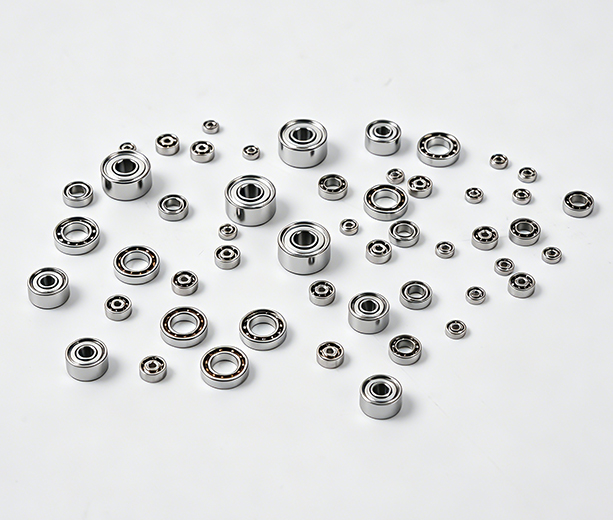
Bearing Steel Ball Bearing Manufacturers
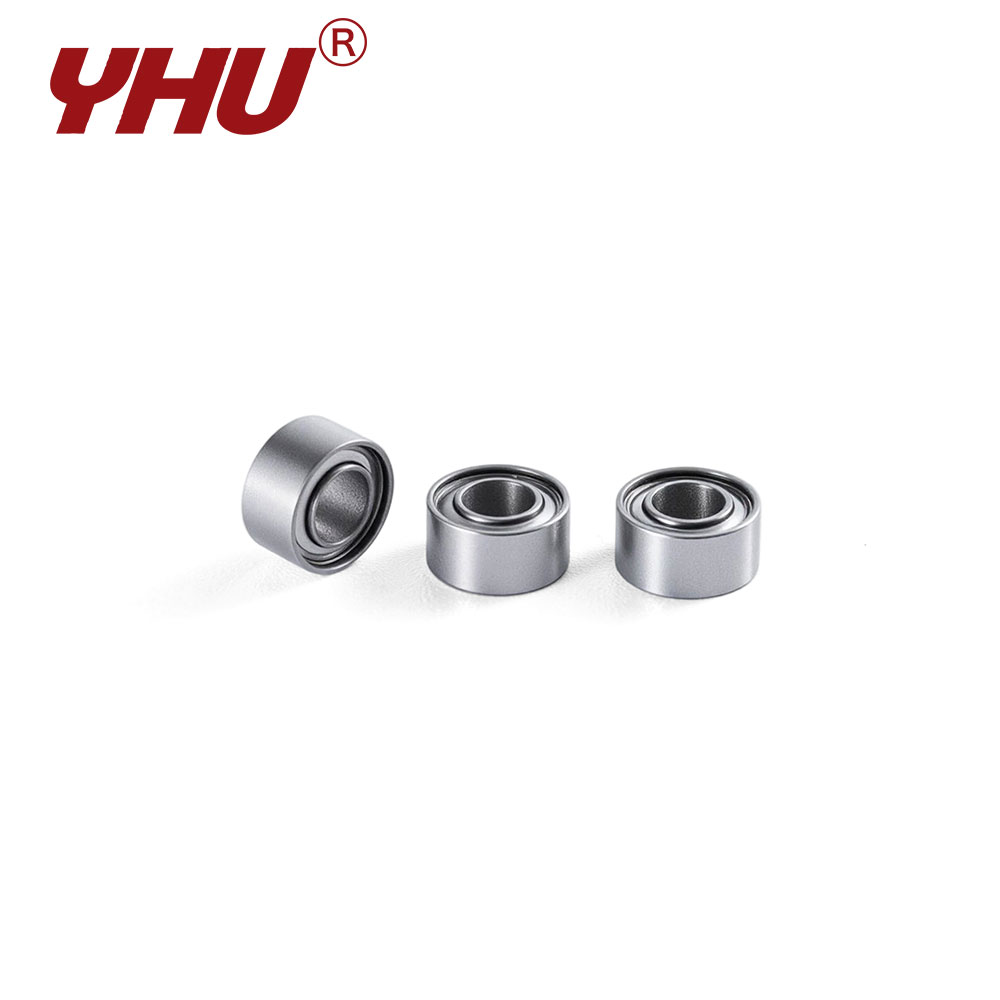
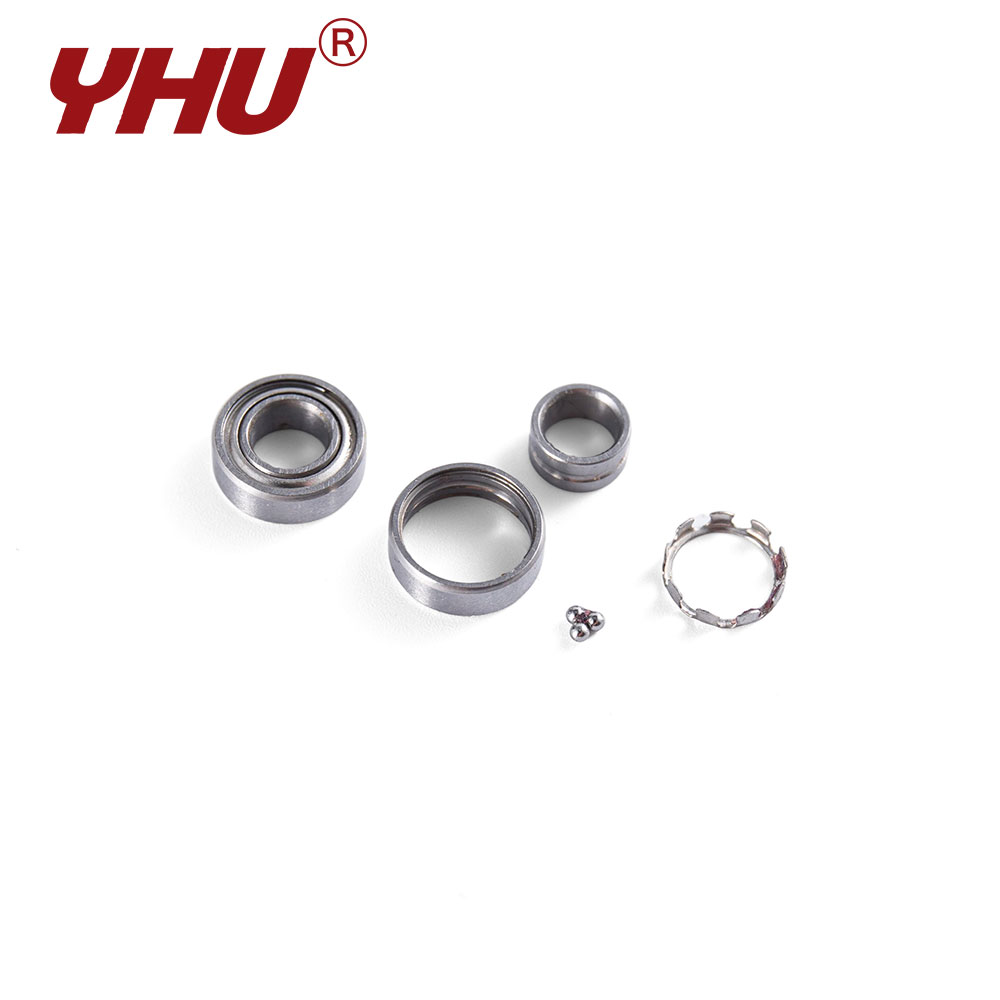
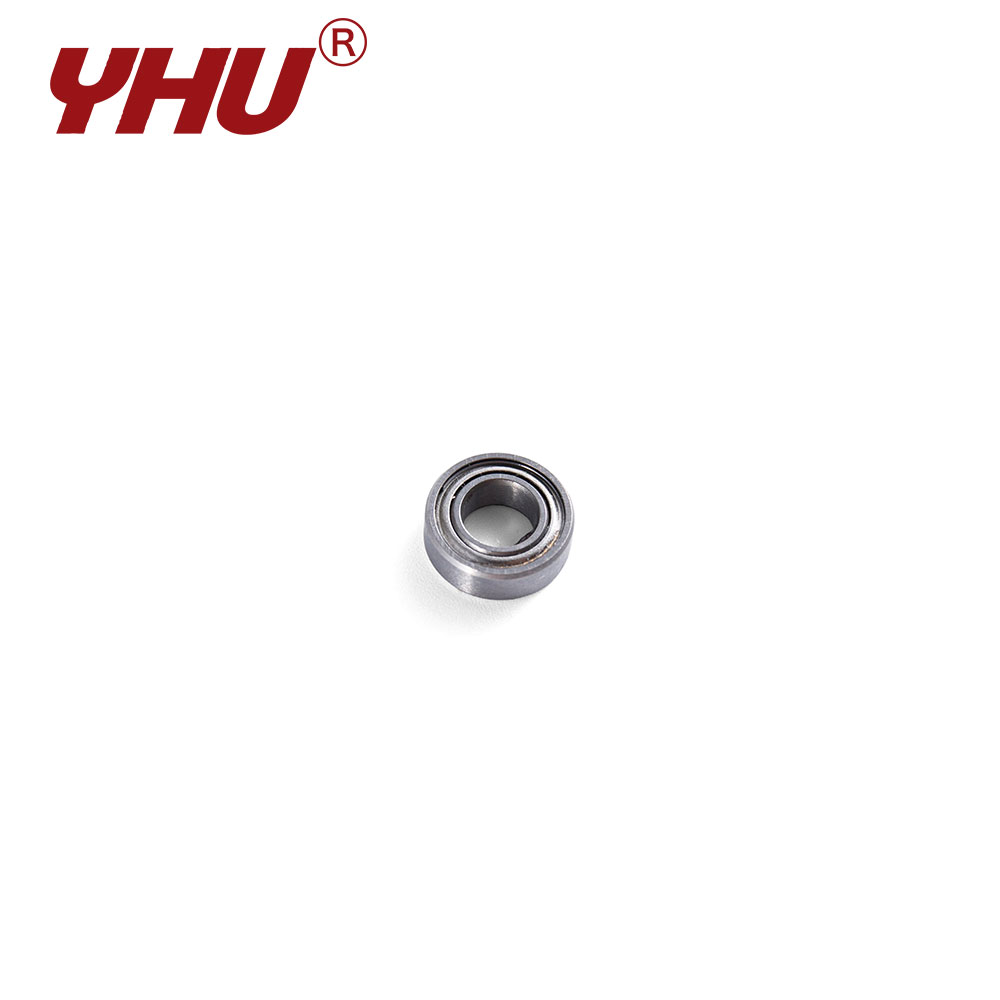
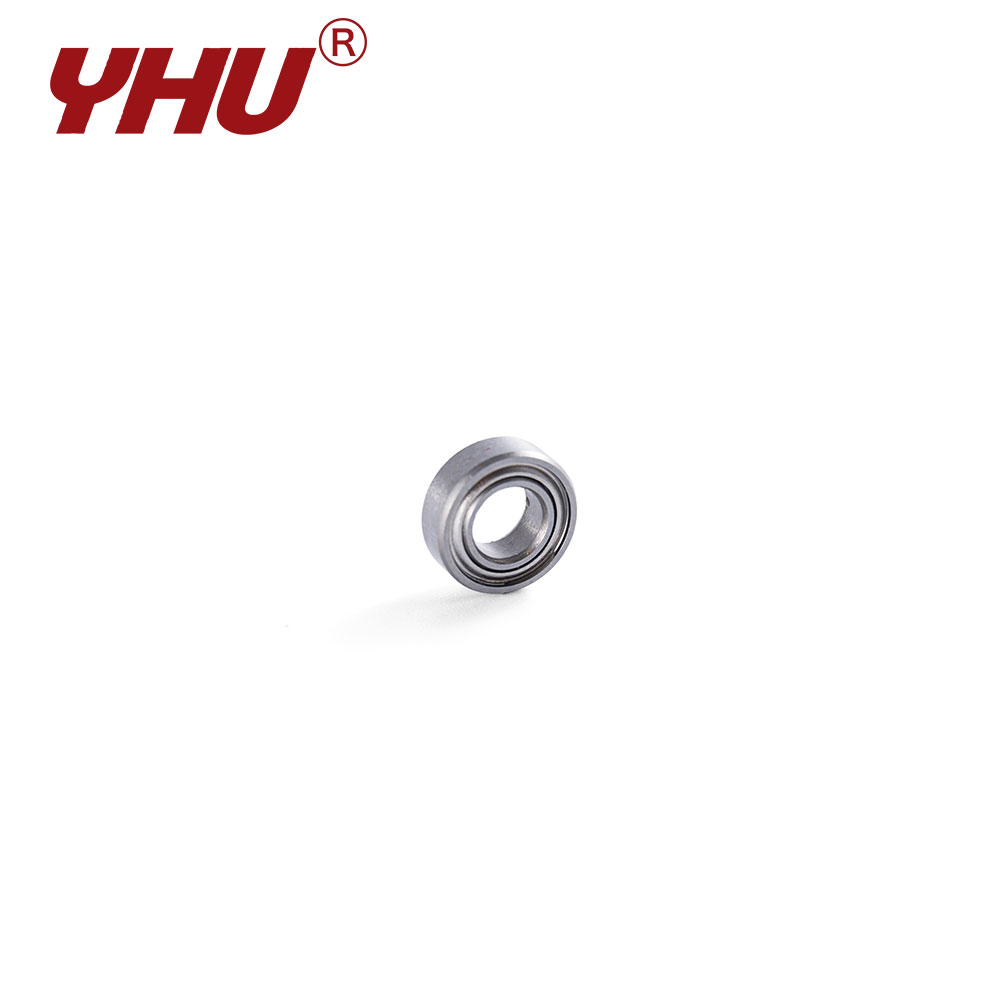
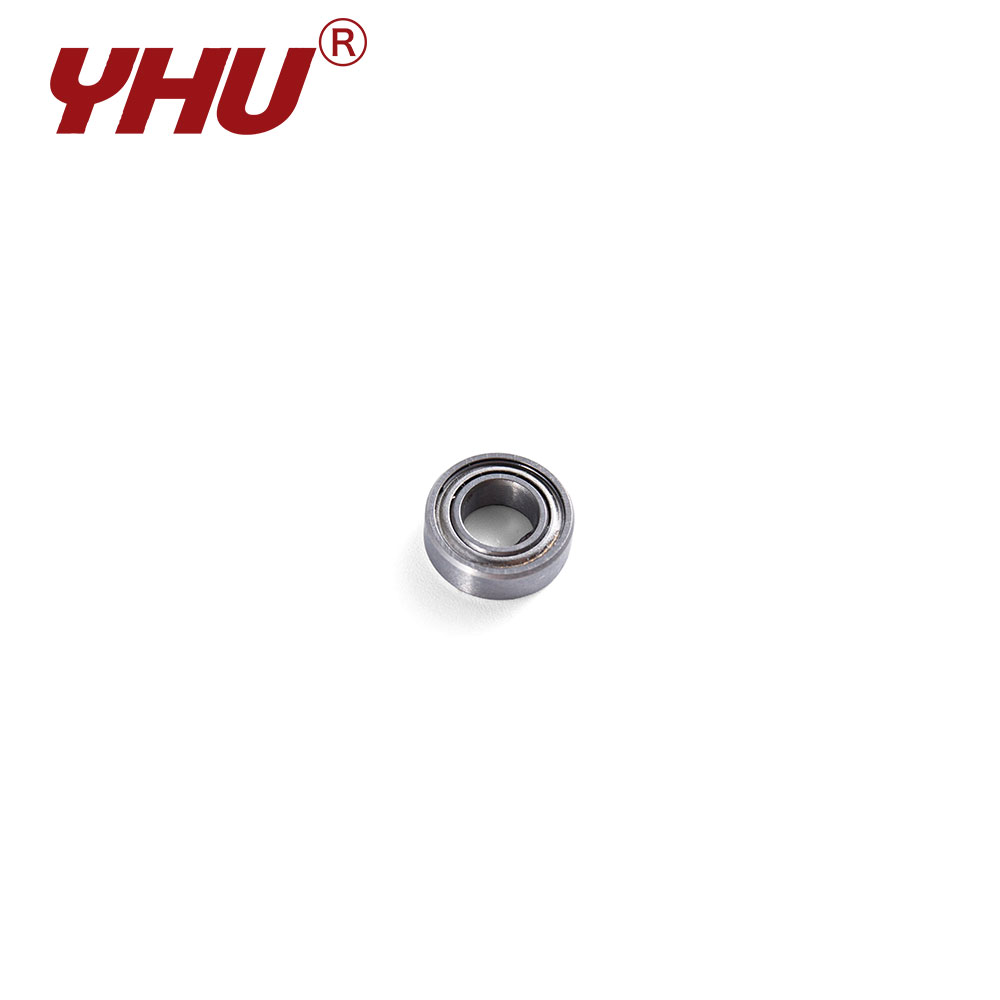
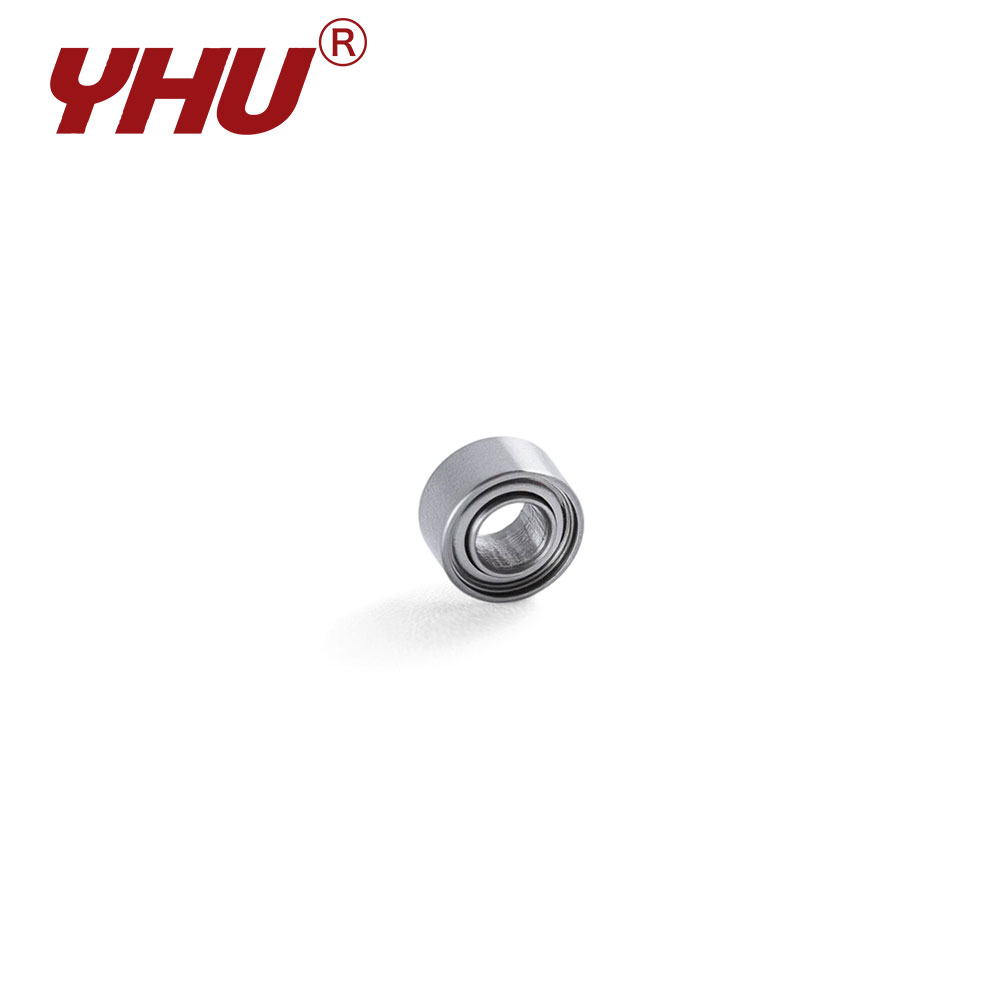
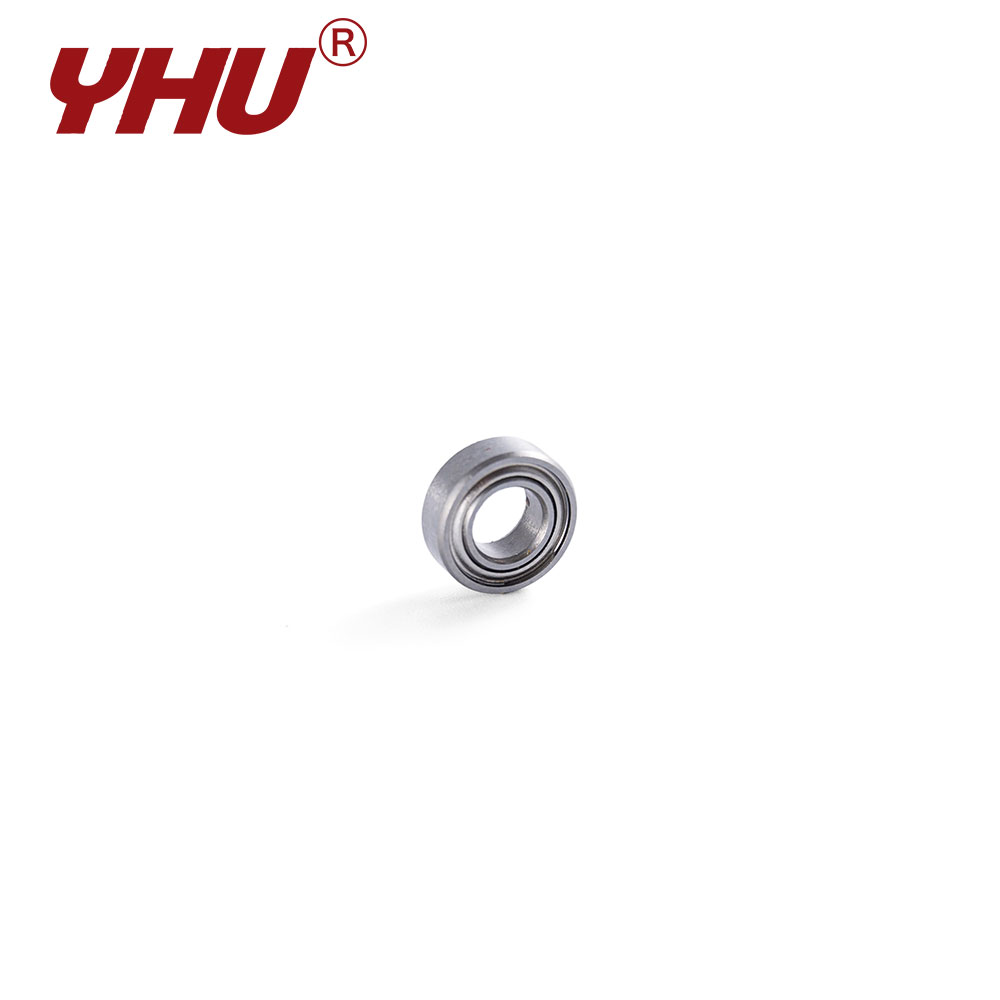
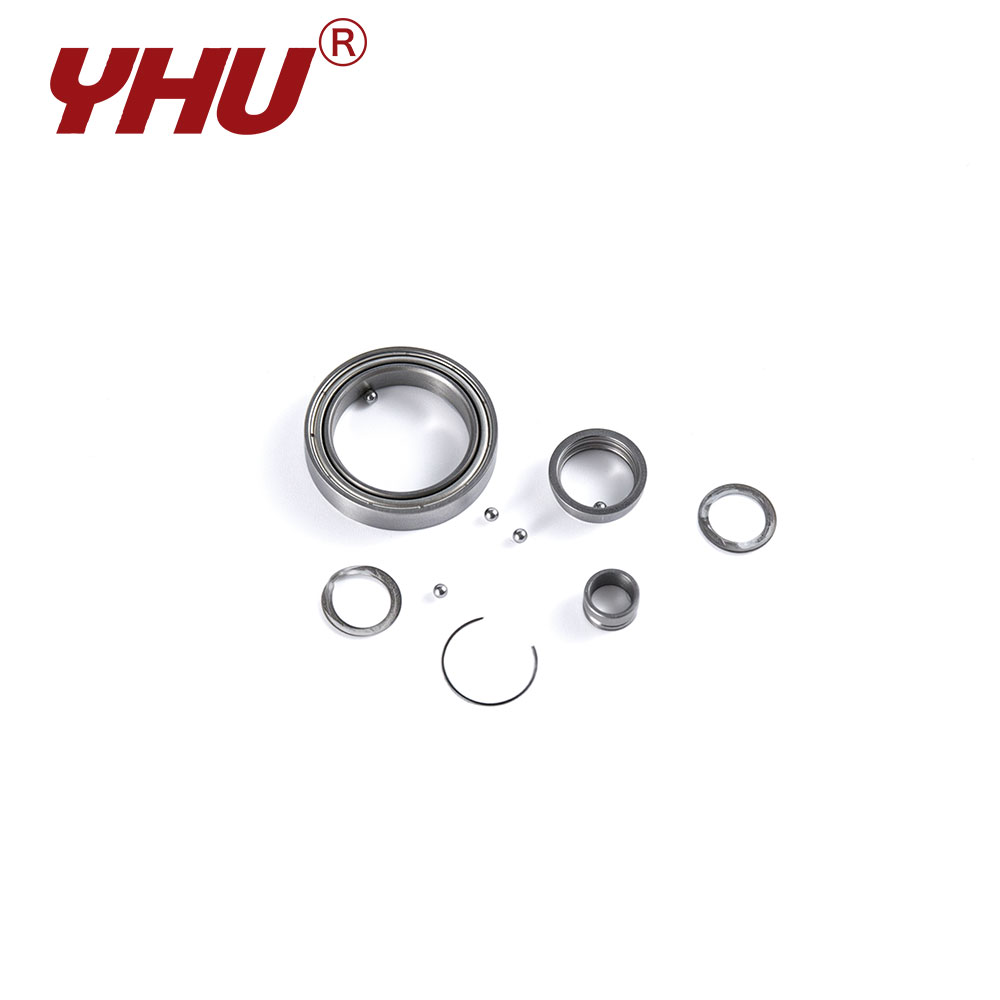
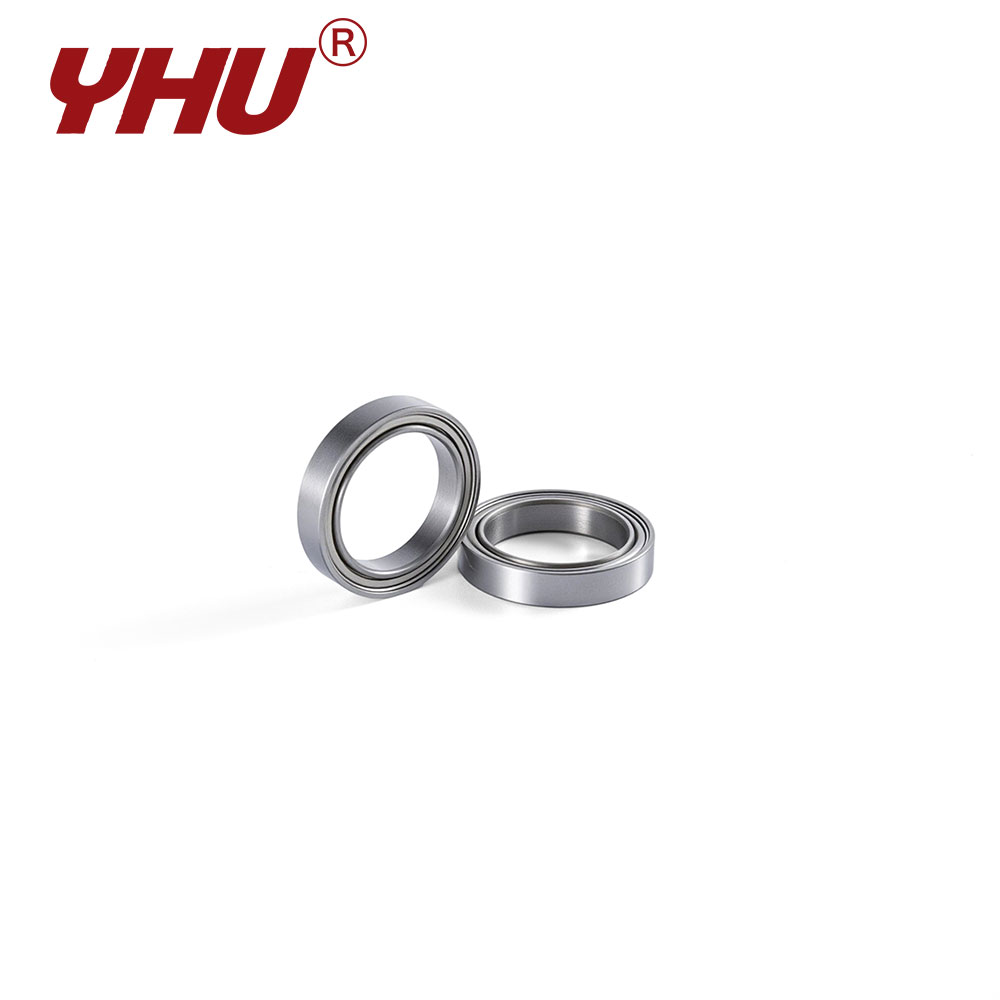
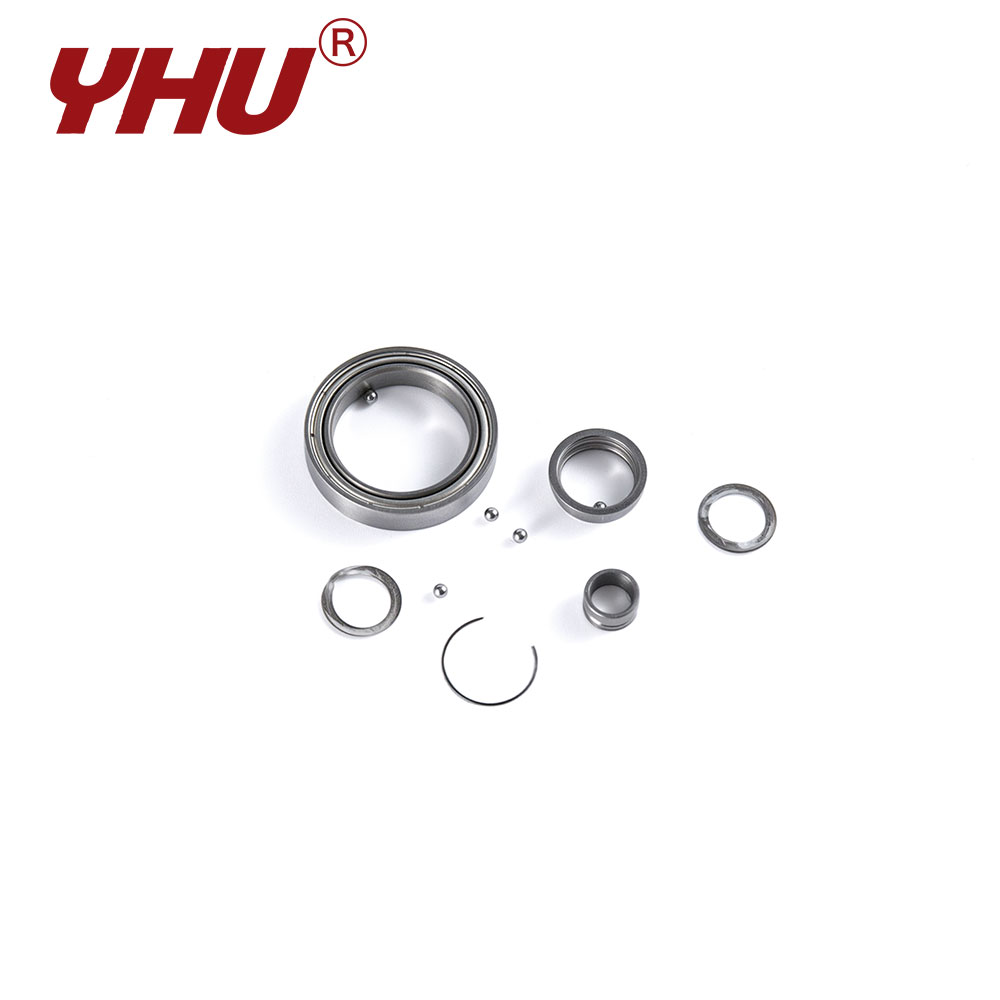
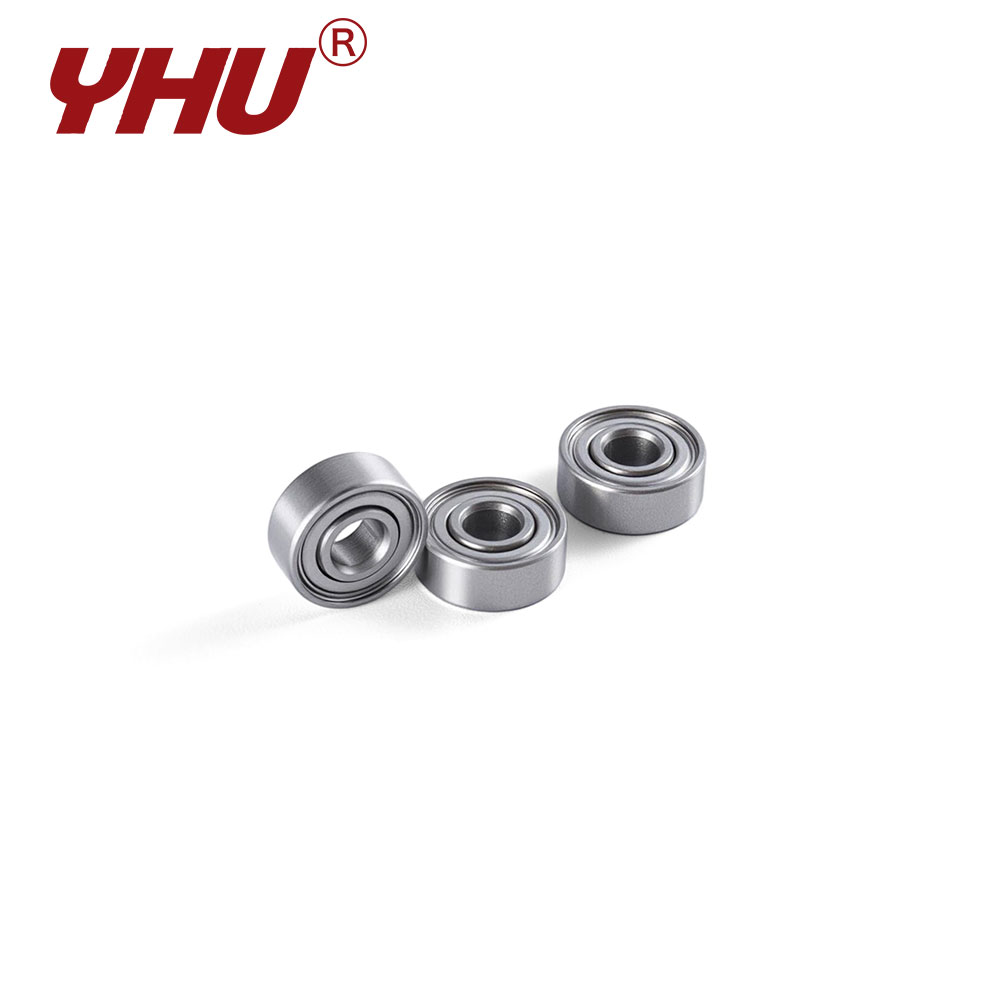
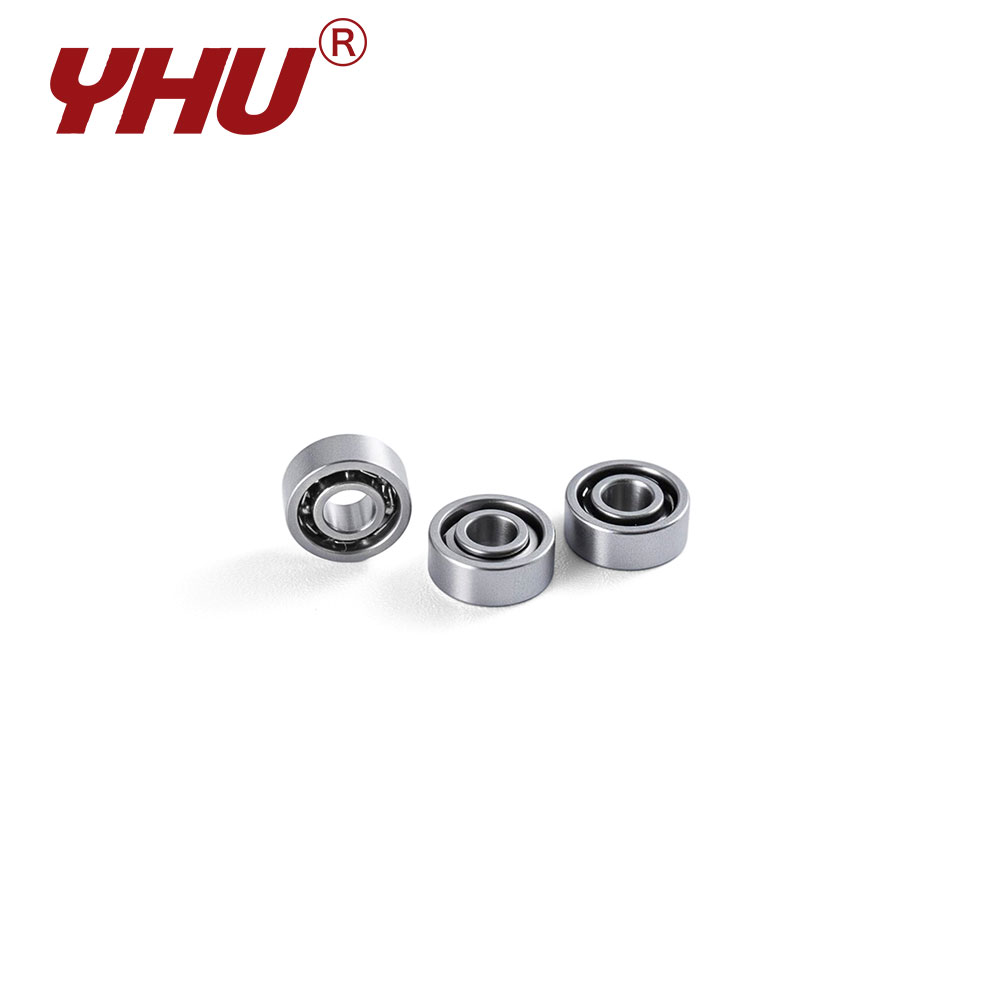
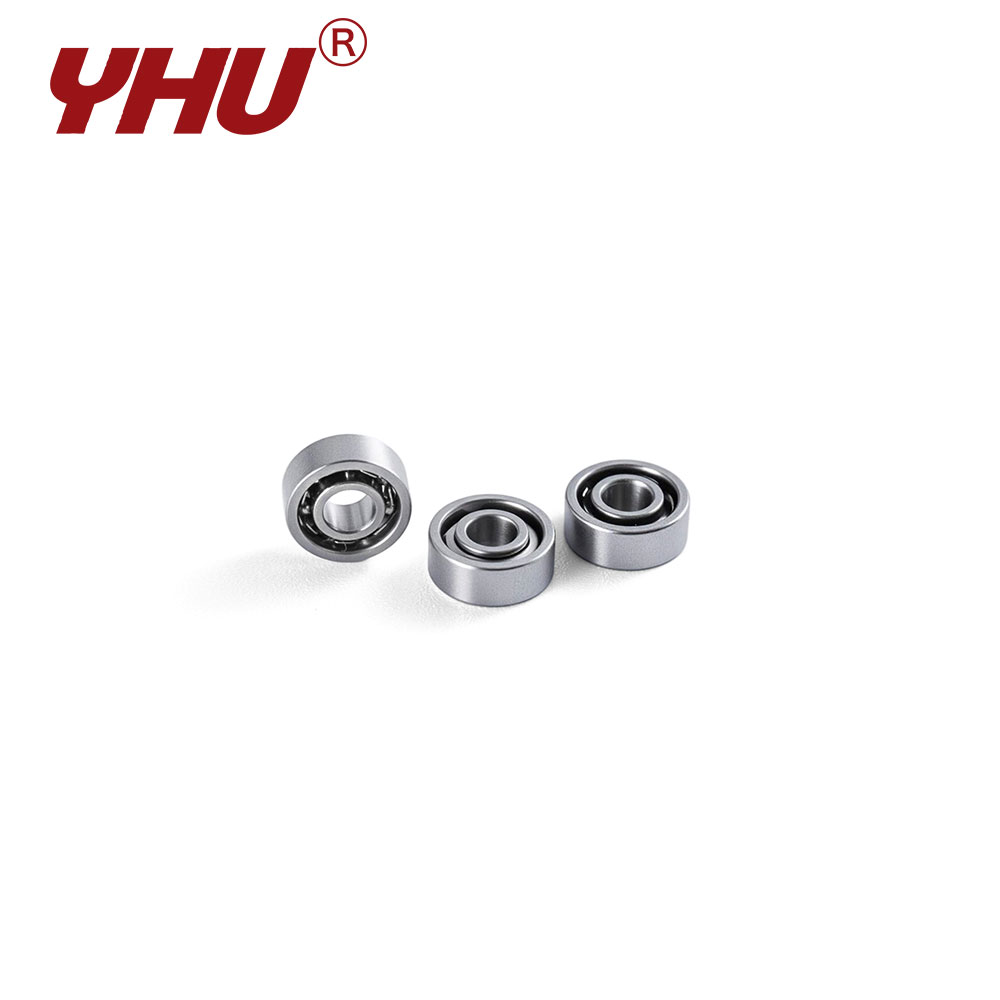
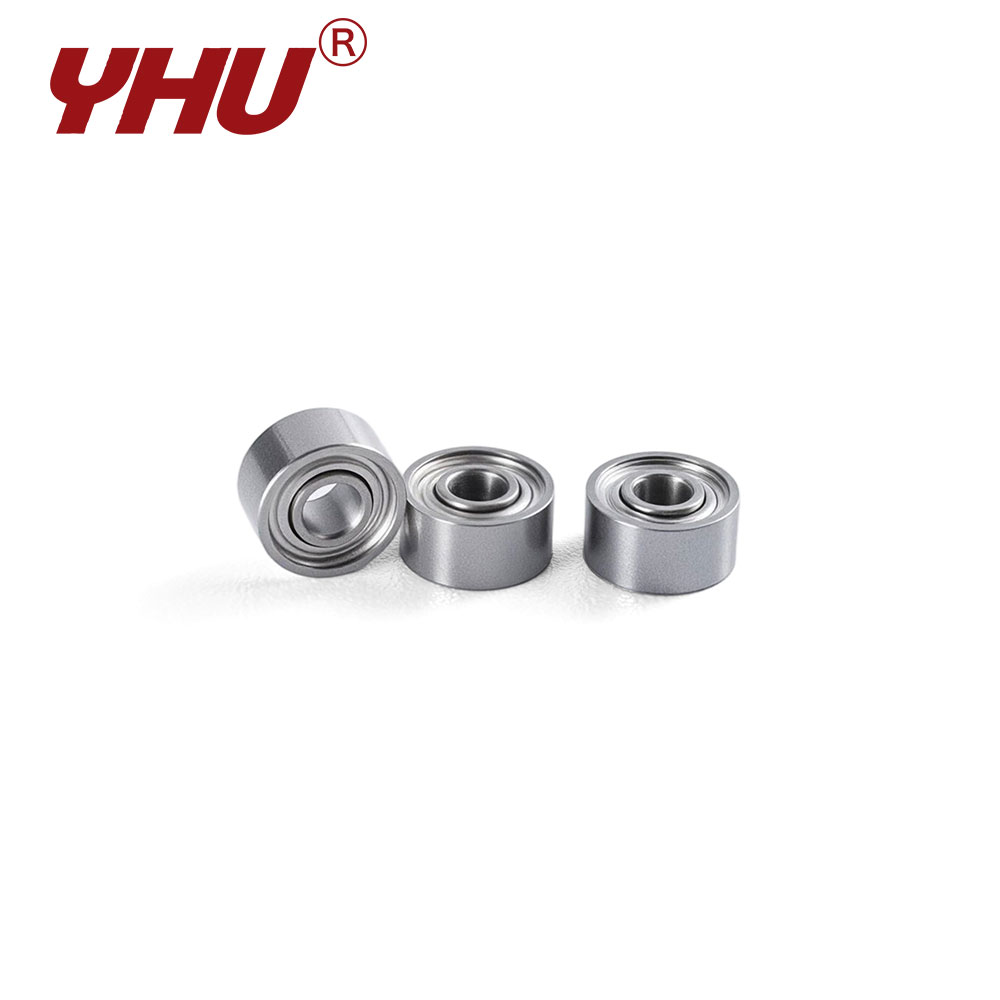
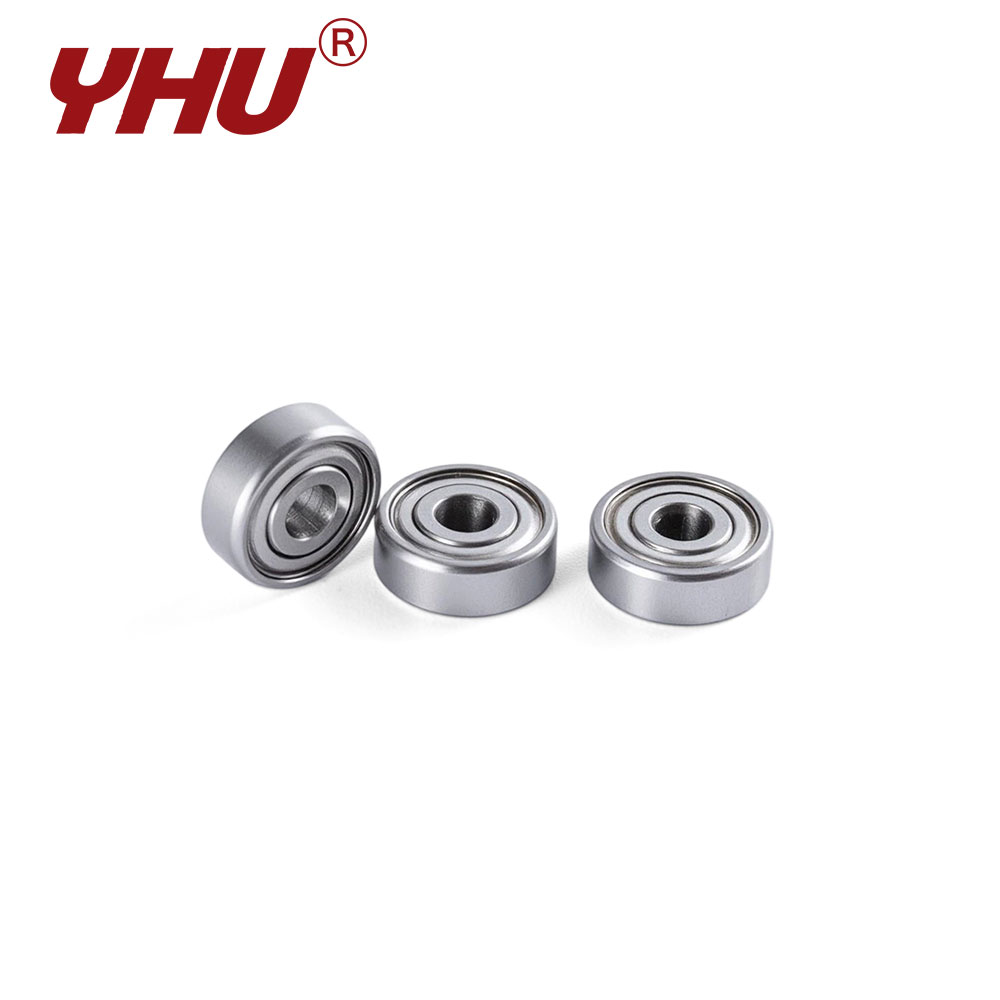
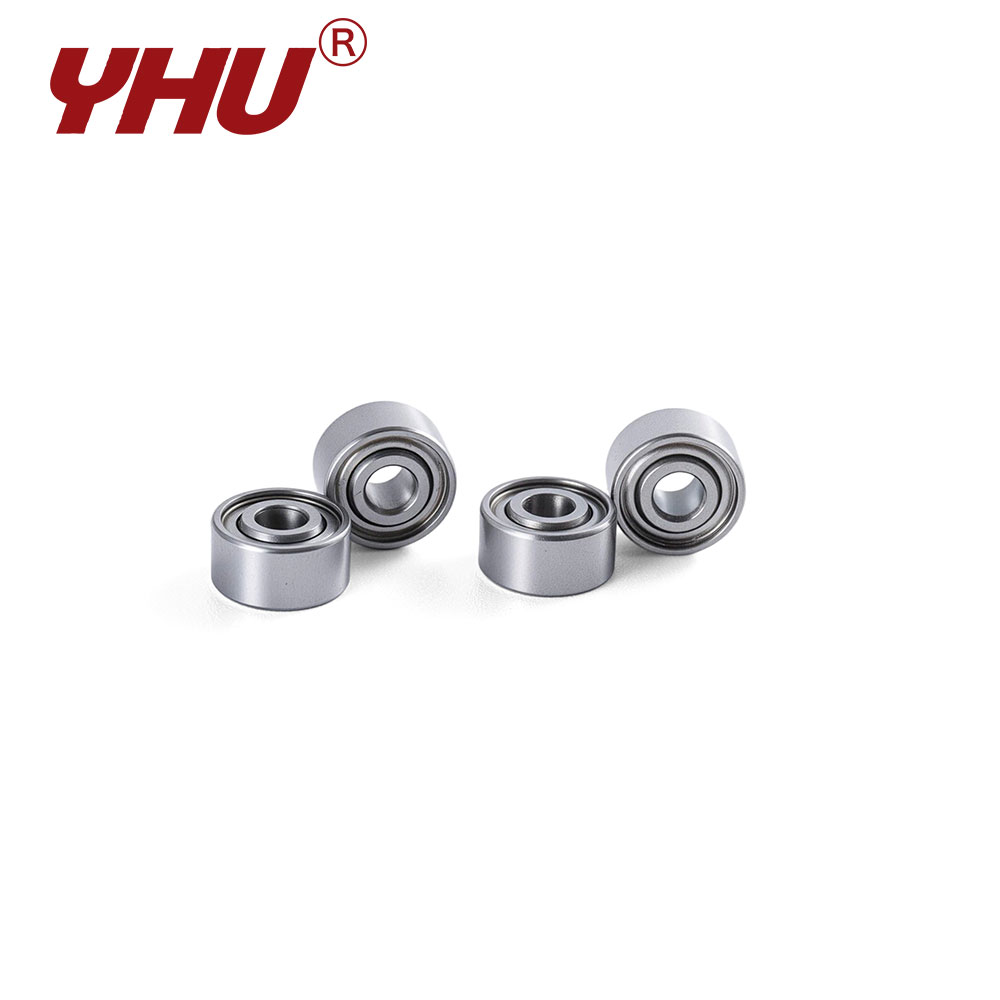
View MoreIt is the steel used to manufacture ball bearings, rollers, and bearing rings. Bearing steel has high and uniform hardness and wear resistance, as well as a high elastic limit. The requirements for the uniformity of chemical composition, content and distribution of non-metallic inclusions, and distribution of carbides in bearing steel are very strict, making it one of the almost demanding steel grades in all steel production.

About Us
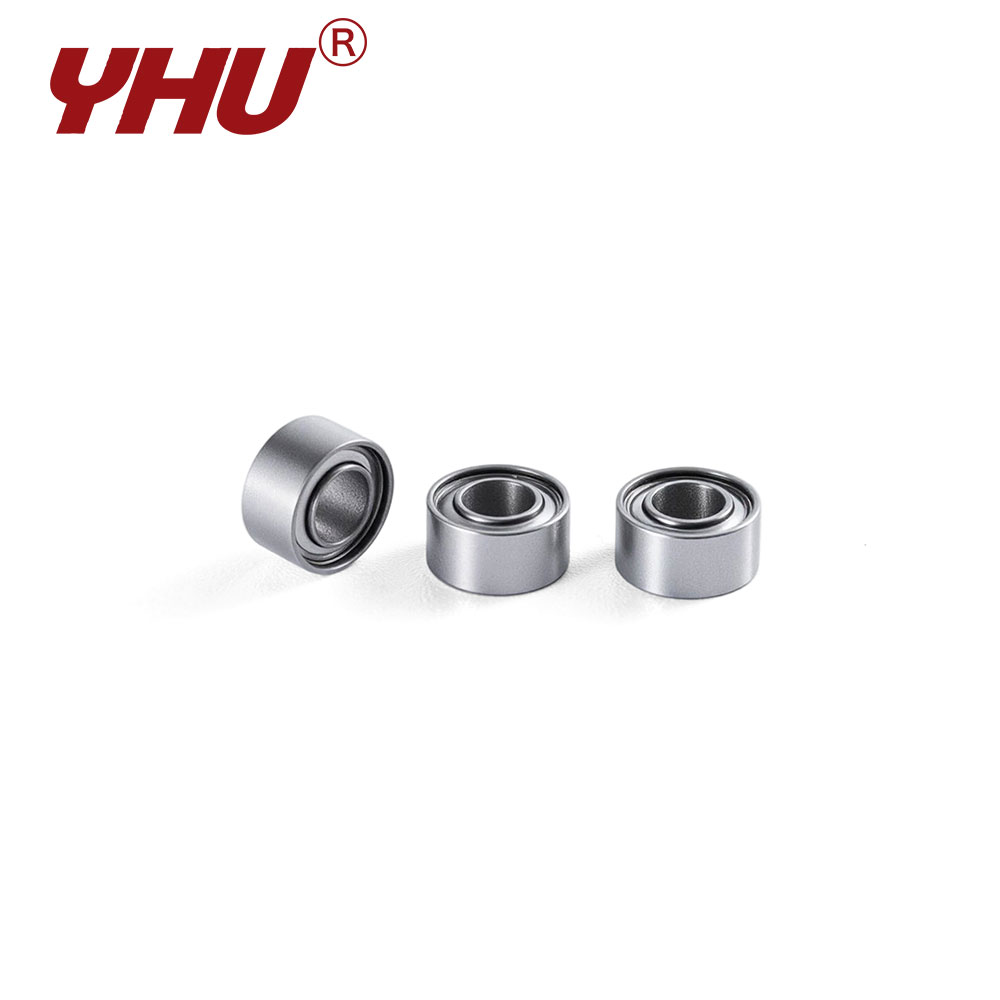
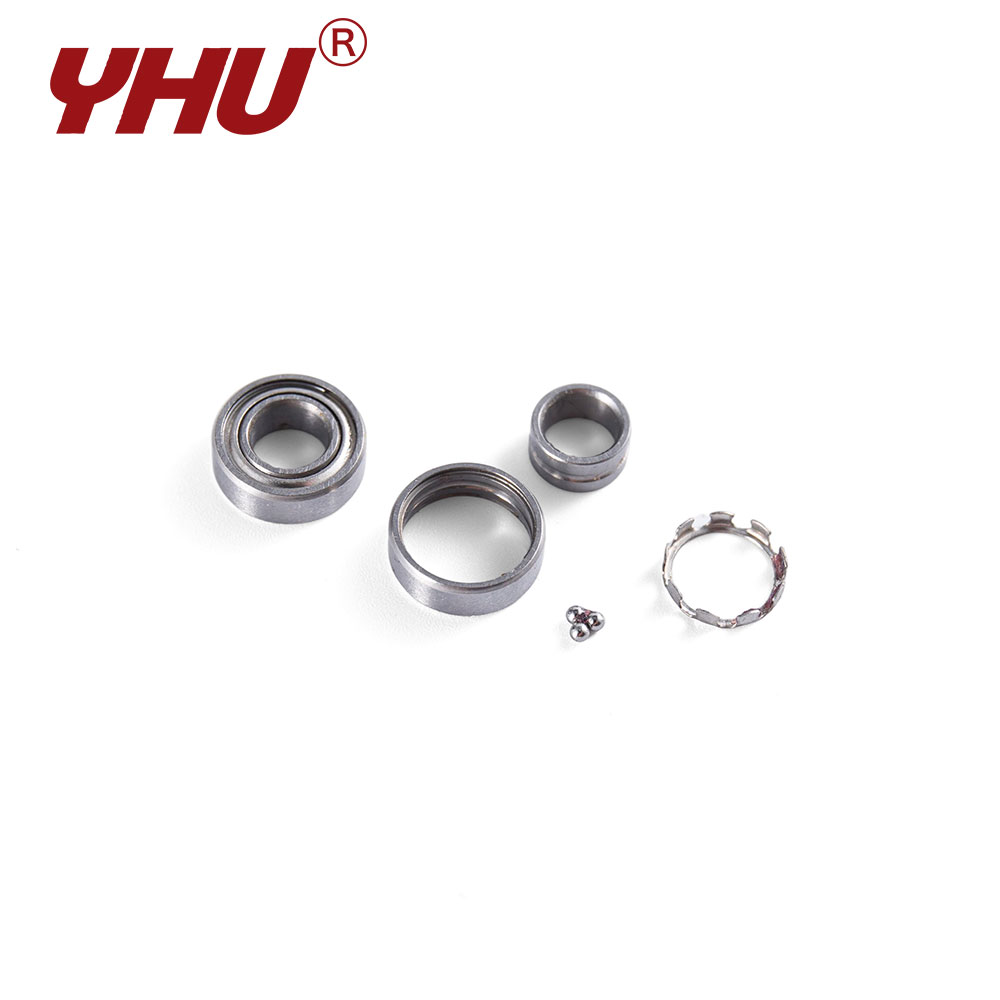
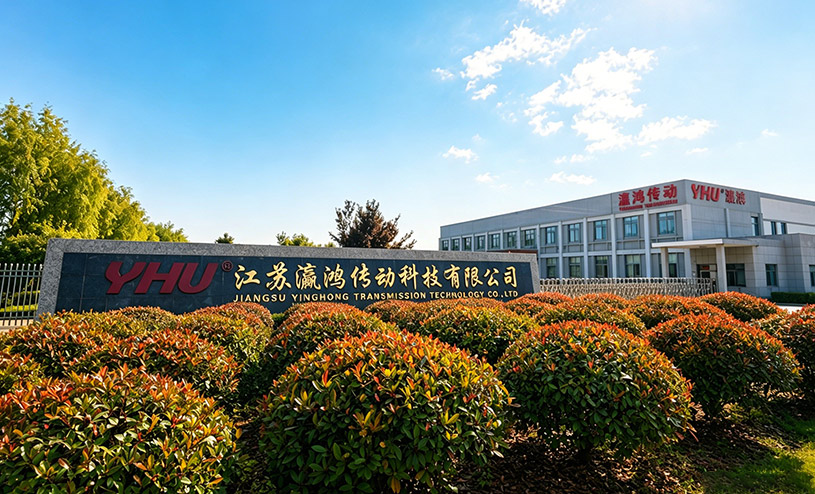
The company covers more than 70 mu of land and operates nearly 10,000 square meters of manufacturing facilities. As a professional manufacturer of precision special bearings in China, we have introduced advanced Japanese precision manufacturing technology and equipped our facility with automated production lines and high-precision testing equipment. A comprehensive quality management system ensures consistent product quality and reliable performance.
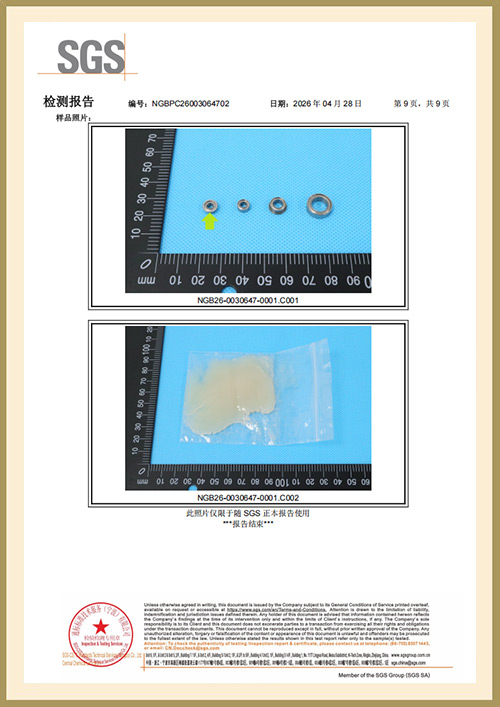
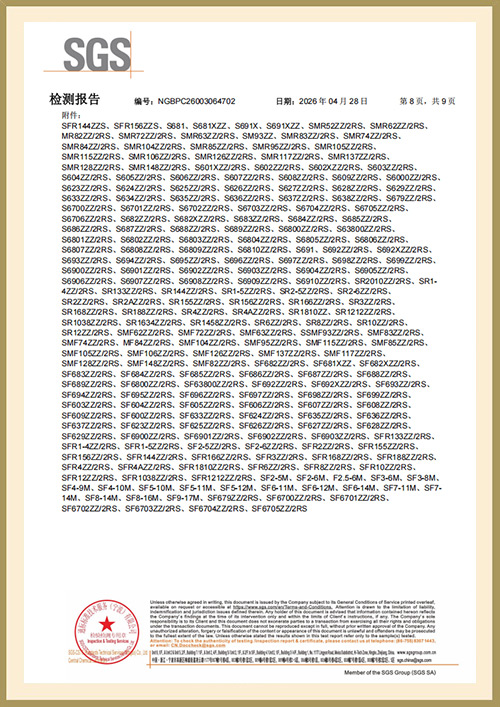
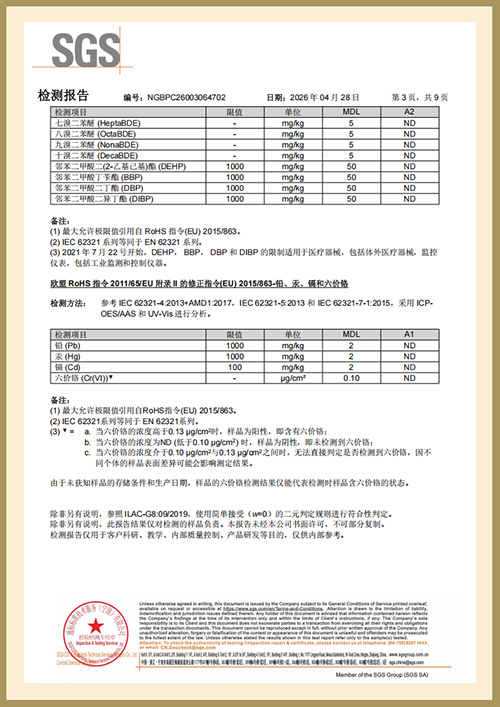
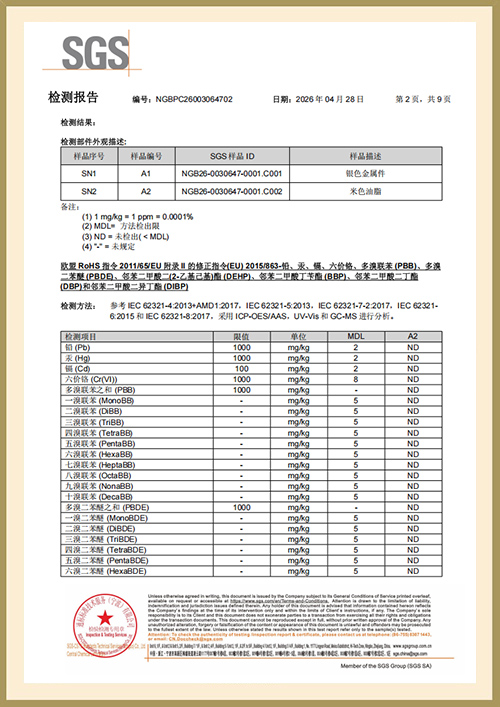
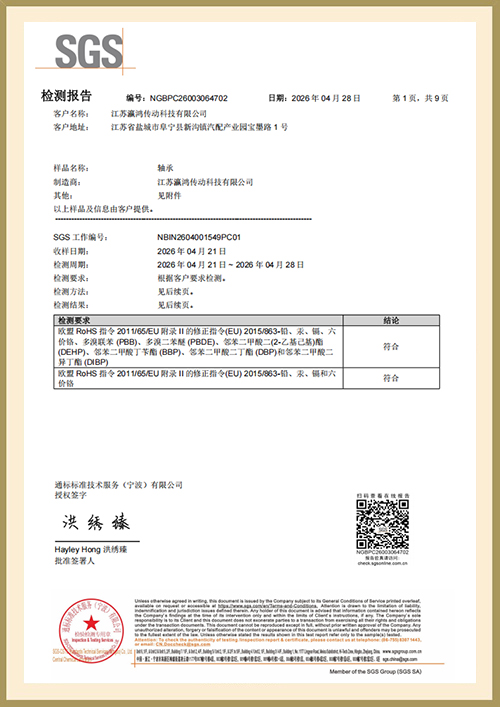
As a National High-Tech Enterprise, Yinghong holds multiple invention and utility model patents and has obtained internationally recognized certifications including IATF 16949, RoHS, CE, and SGS. These certifications enable us to meet diverse customer requirements and provide effective solutions for demanding applications and complex technical challenges.
Yinghong is China Bearing Steel Ball Bearing Manufacturers and Wholesale Steel Ball Bearings Factory, we specialize in the production of high-precision deep groove ball bearings and custom non-standard bearings under our registered trademark, “YHU”. Our main products include bearing steel bearings, stainless steel bearings, ceramic bearings, and plastic bearings.
YHU bearings are designed to deliver low noise, low vibration, low friction, high precision, great sealing performance, and high-speed operation. They also offer self-lubrication, corrosion resistance, rust resistance, acid and alkali resistance, chemical resistance, electrical insulation, non-magnetic properties, high-temperature resistance, low-temperature adaptability, and long service life, making them suitable for demanding operating environments.
Our bearings and bearing assemblies are widely used in electric motors, power tools, pneumatic tools, robotics, drones, household appliances, precision instruments, semiconductor equipment, medical devices, marine equipment, aerospace applications, financial equipment, textile machinery, fishing equipment, and a wide range of specialized industrial equipment.
Honor
-
 SGS Test Report
 -
 SGS Test Report
 -
 SGS Test Report
 -
 SGS Test Report
 -
 SGS Test Report
News
-
Industry News 2026-09-21
A flange bearing is a housed bearing assembly in which the outer housing carries a machined flange plate drilled with mounting holes. The flange plate allows the unit to be bolted directly onto a mac...
View More -
Industry News 2026-09-21
Most procurement teams comparing stainless steel bearings hold a material comparison sheet. 440C versus 316. Hardness versus corrosion resistance. Magnetic versus non-magnetic. None of that informati...
View More -
Industry News 2026-09-21
Bearing Steel: The Metallurgical Foundation Behind Every Rolling Contact Every rotating assembly in modern machinery depends on a handful of highly engineered contact points. A pump running at 3,600 ...
View More -
Industry News 2026-04-22
Angular contact ball bearings are essential for handling combined loads because their inner and outer raceways are offset along the bearing axis. This built-in contact angle creates a direct, uninter...
View More
Contact us now
Industry Knowledge Extension
Jiangsu Yinghong Transmission Technology Co., Ltd. is a Bearing Steel Bearings manufacturer producing high-precision deep groove ball bearings under the registered YHU brand. Our production base in Jiangsu, China operates automated bearing lines, Japanese precision manufacturing technology, and a closed-loop quality system. We supply standard series, modified configurations, and fully custom non-standard bearings for equipment builders, distributors, and industrial end users.
The Bearing Steel Bearings range is our core product family: we machine bearing rings, select balls, and assemble radial deep groove bearings from high-carbon chromium bearing steel. These bearings are built for low noise, low vibration, controlled friction, and repeatable running accuracy across a wide range of industrial applications.
The Bearing Steel Bearings Range
We organize this category into four families based on dimensional system, cross-section, and application logic. Each family shares the same bearing steel material and process control, but is configured to meet different installation and operating constraints.
Inch-dimensional radial bearings used in legacy inch-system equipment, power tools, small motors, and replacement applications. Families include R133, R144, R155, R168, R1810, R6, and R8.
67, 68, and 69 series bearings with reduced cross-sections for compact assemblies and limited axial space. F69 flanged variants provide simple axial location without additional hardware.
Metric miniature bearings MR10, MR11, and MR12 with small radial cross-sections for instrumentation, small drives, pulleys, and portable equipment.
68, 60, and 69 metric miniature series engineered for low-torque, high-speed operation in precision instruments, medical devices, small motors, and robotics.
| Series family | Configuration logic | Application fit |
|---|---|---|
| Inch R Series | Inch-dimensional bore and outside diameter combinations, radial single-row design | Inch-standard equipment, power tools, small electric motors, replacement and service parts |
| Thin-Section Series | Compact radial cross-section, reduced axial width, optional integral flange | Dental handpieces, small gearboxes, encoders, compact rotary assemblies |
| Metric MR Series | Metric miniature dimensions with low radial section height | Precision instruments, miniature motors, flow meters, lab equipment |
| Metric Miniature Series | 68, 60, and 69 metric series with balanced load capacity and speed | Robotics, drones, semiconductor equipment, household appliances, medical instruments |
Material and Manufacturing Approach
Bearing steel is selected for high and uniform hardness, wear resistance, and a high elastic limit. The metallurgical requirements are demanding: chemical composition, non-metallic inclusions, and carbide distribution must be tightly controlled because these factors directly influence rolling contact fatigue life.
We process bearing steel rings and balls through controlled heat treatment, precision grinding, and assembly with strict dimensional and geometric control. Our automated production lines and high-precision testing equipment allow us to maintain consistent quality across batch production and to repeat results when scaling from prototype to mass delivery.
- High-carbon chromium bearing steel for hardness, wear resistance, and long service life
- Controlled raceway geometry and surface finish for low noise and low vibration
- Stable clearance control for application-specific fits and operating temperature
- Open, shielded, and sealed configurations matched to contamination and lubrication conditions
Engineering and Application Fit
YHU bearing steel deep groove ball bearings are used in electric motors, power tools, pneumatic tools, robotics, drones, household appliances, precision instruments, semiconductor equipment, medical devices, marine equipment, aerospace systems, financial equipment, textile machinery, and fishing equipment. In each case, the bearing configuration is determined by the actual operating point: load, speed, temperature, lubrication, and required life.
Our engineers support bearing selection, structural design, and performance optimization. We treat the bearing as part of the rotating assembly, so we also consider shaft and housing fits, clearance, sealing, and the environmental conditions that affect grease performance and corrosion resistance.
Quality Assurance and Acceptance
As a National High-Tech Enterprise, Yinghong maintains a full-chain quality system that starts with incoming raw material and continues through production and final inspection. We have obtained IATF 16949, RoHS, CE, and SGS certifications, and we apply high-precision inspection equipment to verify dimensional accuracy, noise, vibration, sealing, and wear resistance before shipment.
For project orders, we confirm acceptance criteria at the quotation stage so that dimensional tolerances, running noise targets, and performance requirements are documented before mass production. Inspection results and material traceability can be included in the delivery package.
Customization and Project Support
We provide custom development for all types of standard and non-standard bearing steel bearings. This includes bearing design and optimization, prototype production, mass delivery, and after-sales technical support. Customers can submit drawings, samples, or a failed bearing for failure analysis; our team then proposes the appropriate material, heat treatment, clearance, cage, and sealing configuration.
The same engineering approach is used for non-standard bore sizes, modified widths, special chamfers, flange additions, and application-specific performance targets. We combine group-level manufacturing resources with responsive service for OEM and ODM projects.
- Bearing reference, drawing, or sample part number
- Bore, outside diameter, and width or envelope dimensions
- Operating load, speed, and expected life
- Noise, vibration, or precision class requirements
- Temperature range, humidity, and exposure to media
- Shield, seal, cage, and lubrication preference
- Annual quantity, batch size, and packaging requirements
- Existing failure mode, if this is a replacement or redesign
Frequently Asked Questions
What bearing steel do you use for these bearings?
We manufacture Bearing Steel Bearings from high-carbon chromium bearing steel selected for high hardness, wear resistance, and fatigue strength. The steel is processed under controlled heat treatment and finishing conditions to support the noise, life, and precision requirements of each application.
Can you supply shielded and sealed versions?
Yes. We match the sealing and shielding configuration to the operating environment. Open bearings, metal-shielded versions, and contact or non-contact seals can be specified depending on speed, contamination, and lubrication retention requirements.
Do you support non-standard bearing designs?
We regularly develop non-standard bearing steel bearings with modified dimensions, tolerances, materials, cages, seals, and performance characteristics. The process starts from a drawing, sample, or failure analysis and moves through prototype production before mass delivery.
What information is needed for an accurate quotation?
For a precise proposal we need the bearing reference or drawing, envelope dimensions, load and speed, operating temperature, noise or precision requirements, sealing and lubrication preference, and estimated annual quantity. With these inputs we can configure the correct bearing steel bearing and manufacturing route.
What quality evidence do you provide with shipments?
Our quality system is certified to IATF 16949, RoHS, CE, and SGS. Production is supported by high-precision inspection equipment, and project-specific inspection reports and material traceability documentation can be prepared as part of the supply agreement.

- Contact Information
-
-
+86 162 6918 9999 +86 136 1619 2555

-
+86 153 0641 4247

-
jeffrey@yhu1988.com

rose@yhu1988.com -
Yinghong Industrial Park, Zexin Avenue, Xingou Auto Parts Industrial Park, Funing County, Yancheng City, Jiangsu Province, China

-
- QR Code

