


 English
  русский
  Español
  عربى
عربى  日本語
日本語 


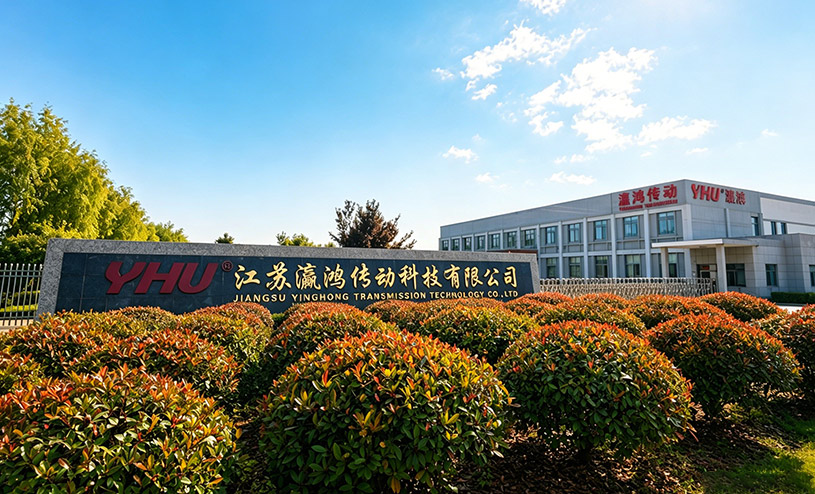
About Us
The company covers more than 70 mu of land and operates nearly 10,000 square meters of manufacturing facilities. As a professional manufacturer of precision special bearings in China, we have introduced advanced Japanese precision manufacturing technology and equipped our facility with automated production lines and high-precision testing equipment. A comprehensive quality management system ensures consistent product quality and reliable performance.
As a National High-Tech Enterprise, Yinghong holds multiple invention and utility model patents and has obtained internationally recognized certifications including IATF 16949, RoHS, CE, and SGS. These certifications enable us to meet diverse customer requirements and provide effective solutions for demanding applications and complex technical challenges.
We specialize in the production of high-precision deep groove ball bearings and custom non-standard bearings under our registered trademark, “YHU”. Our main products include bearing steel bearings, stainless steel bearings, ceramic bearings, and plastic bearings.
YHU bearings are designed to deliver low noise, low vibration, low friction, high precision, great sealing performance, and high-speed operation. They also offer self-lubrication, corrosion resistance, rust resistance, acid and alkali resistance, chemical resistance, electrical insulation, non-magnetic properties, high-temperature resistance, low-temperature adaptability, and long service life, making them suitable for demanding operating environments.
Our bearings and bearing assemblies are widely used in electric motors, power tools, pneumatic tools, robotics, drones, household appliances, precision instruments, semiconductor equipment, medical devices, marine equipment, aerospace applications, financial equipment, textile machinery, fishing equipment, and a wide range of specialized industrial equipment.
Honor
-
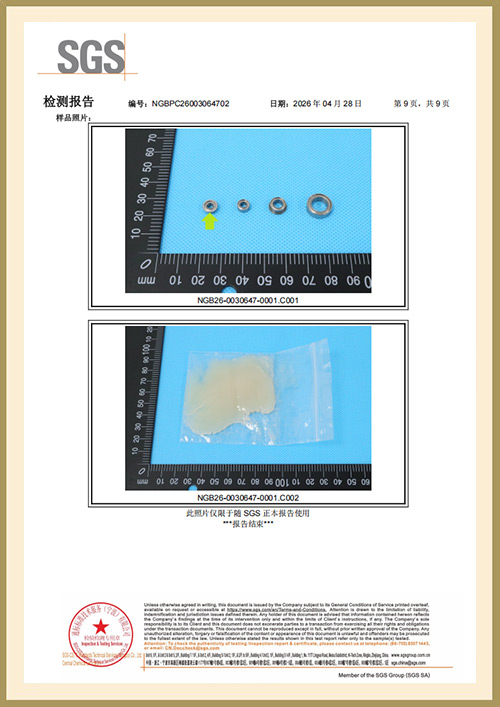 SGS Test Report
 -
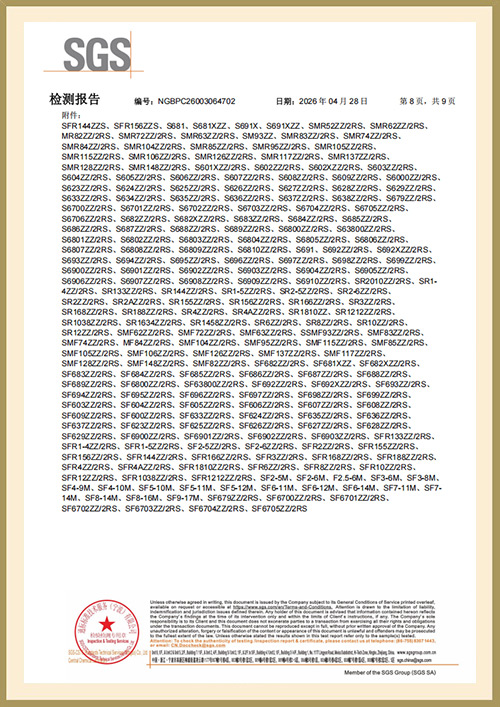 SGS Test Report
 -
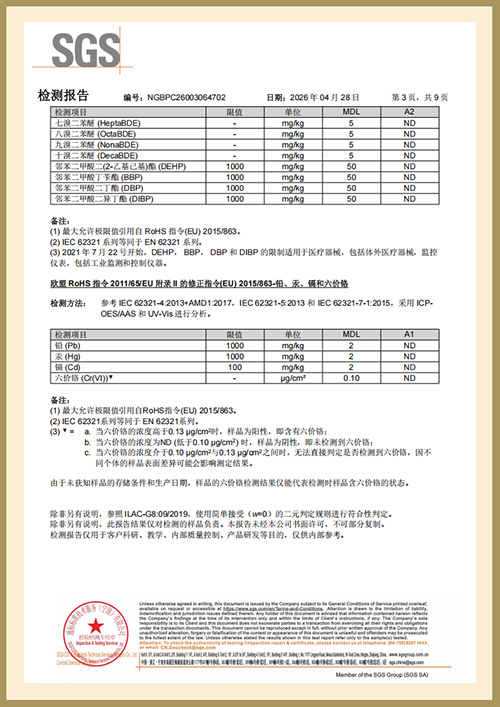 SGS Test Report
 -
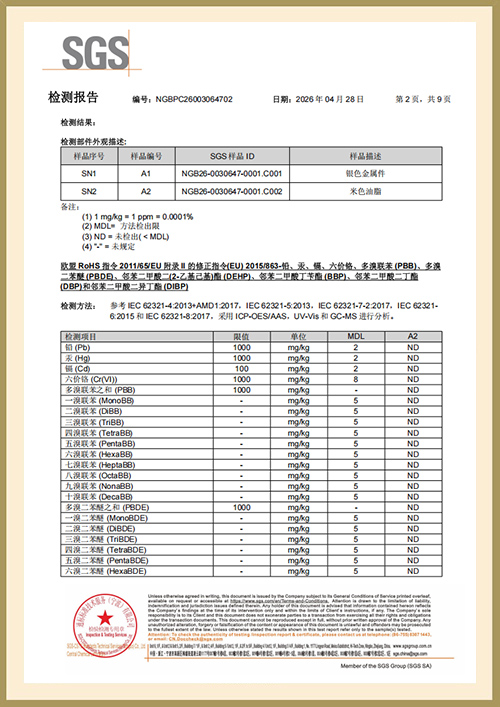 SGS Test Report
 -
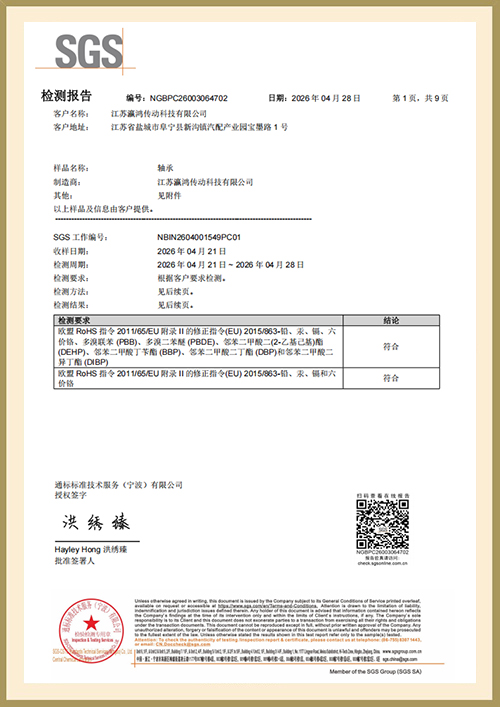 SGS Test Report
News
-
Industry News 2026-09-21
A flange bearing is a housed bearing assembly in which the outer housing carries a machined flange plate drilled with mounting holes. The flange plate allows the unit to be bolted directly onto a mac...
View More -
Industry News 2026-09-21
Most procurement teams comparing stainless steel bearings hold a material comparison sheet. 440C versus 316. Hardness versus corrosion resistance. Magnetic versus non-magnetic. None of that informati...
View More -
Industry News 2026-09-21
Bearing Steel: The Metallurgical Foundation Behind Every Rolling Contact Every rotating assembly in modern machinery depends on a handful of highly engineered contact points. A pump running at 3,600 ...
View More -
Industry News 2026-04-22
Angular contact ball bearings are essential for handling combined loads because their inner and outer raceways are offset along the bearing axis. This built-in contact angle creates a direct, uninter...
View More -
Industry News 2026-04-22
In a special production environment, many stainless steel bearings are equipped with corresponding sealing devices. On the one hand, it keeps the grease (oil) inside the stainless steel bearing from b...
View More -
Industry News 2026-04-22
Under normal circumstances, stainless steel bearings will produce a certain amount of noise during machine operation. However, if the vibration level of stainless steel bearings increases significantl...
View More -
Industry News 2026-04-22
Stainless steel bearings offer numerous advantages not only due to stringent manufacturing processes and precision requirements, but also because of the superior quality of the material itself. When s...
View More
Contact us now
Industry Knowledge Extension
Jiangsu Yinghong Transmission Technology Co., Ltd. is a precision bearing manufacturer in China and the company behind the registered YHU brand. We build high-precision deep groove ball bearings and custom non-standard bearings in four material families — bearing steel, stainless steel, ceramic and engineering plastics — and our plastic line covers nine polymer options: POM, PP, UPE, PEEK, PTFE, PVDF, PA66, PI and specially modified compounds.
Plastic bearings earn their place where corrosion, chemical attack, washdown, electrical insulation, magnetic transparency or lubrication-free running decide service life. We supply them as complete ball bearings and as custom-shaped parts, with balls in plastic, glass or stainless steel, matched to the customer's shaft and housing geometry.
Our Plastic Bearings Range
Each polymer family below is a distinct production programme, not an alternative label on the same part. Material choice is made against the working point — load, speed, temperature, media and required life — because the polymer governs load capacity, creep, clearance and expansion far more than it does in steel.
| Material family | Polymer characteristics | Typical application fit |
|---|---|---|
| POM Bearings | Low friction, strong wear resistance, good dimensional stability, low moisture uptake | Conveyor rollers, office and household equipment, small motors, light pumps |
| PP Bearings | Light weight, broad chemical resistance, low moisture absorption, economical | Chemical dosing, water treatment, wet handling lines |
| UPE Bearings | High abrasion and impact resistance, low friction, chemical resistance | High-wear sliding duty, packaging and materials handling |
| PEEK Bearings | High continuous service temperature, mechanical strength, chemical and steam resistance | Semiconductor tools, medical devices, hot-water and high-temperature pumps |
| PTFE Bearings | Lowest friction, near-universal chemical inertness, very wide temperature window, low mechanical stiffness | Chemical process equipment, high-purity lines, insulating low-load bearings |
| PVDF Bearings | High purity, UV and weathering resistance, good chemical resistance | Wet-process semiconductor equipment, water treatment, outdoor assemblies |
| PA66 Bearings | Toughness, abrasion resistance, higher load capability, moisture sensitivity | Rollers, gears, power tools and automotive-adjacent mechanisms |
| PI Bearings | Very high temperature stability, dimensional stability, low outgassing | Electronics, vacuum systems, aerospace and hot machinery |
| Specially Modified Plastic Bearings | Base polymers compounded with glass fibre, carbon fibre, solid lubricants or conductive fillers | Duty cycles that a standard grade cannot hold: higher PV, lower friction or static control |
Where Plastic Bearings Fit, and Where Metal Still Wins
Plastic bearings are a design decision about environment and life, not a cheap substitute for steel. Used inside their limits they remove lubrication routines, survive aggressive media and stop galvanic and magnetic problems that no coating fully solves.
- Favour plastic: corrosive or chemical media, frequent washdown, electrical insulation needs, non-magnetic requirements, low-to-moderate load at low-to-moderate speed, quiet running, lubrication-free operation.
- Favour metal or ceramic: high radial or axial load, high speed, tight axial play under load, impact loading, or sustained temperatures beyond the polymer's continuous rating.
- Watch in plastic: thermal expansion and its effect on clearance, creep under static load, moisture-driven dimensional change in PA66, and the way a thin flange behaves under bolting force.
This is engineering guidance we apply when sizing a YHU plastic bearing. We confirm the load case and the temperature at the bearing seat before releasing a drawing, because the same bore that works in a clean 20 °C assembly can lose clearance in a hot cabinet.
Critical Specifications We Confirm Before Production
- Bore, outside diameter, width and flange geometry, including chamfers and corner radii
- Material grade and any filler content, plus colour and marking requirements
- Tolerance class on bore and outside diameter, and the resulting shaft and housing fits
- Radial internal clearance and permissible axial play for the assembly
- Ball material — plastic, glass or stainless steel — and ball diameter and grade
- Maximum static and dynamic load, running speed and resulting PV level
- Operating temperature range at the seat, including peaks and thermal cycling
- Media contact: chemicals, steam, water, cleaning agents, dust or vacuum
- Starting and running torque limits where low-friction behaviour is the design driver
- Retention method: press fit, snap feature, circlip, housing shoulder or adhesive
Configuration Options
We configure plastic bearings around the mounting interface rather than forcing a catalogue shape into it. Available directions include:
- Open, shielded or closed designs, with seals selected for dust exclusion or media splash
- Flanged and plain outer forms, including thin-wall and miniature proportions
- Grooved or snap-fit outer rings for location without additional hardware
- Insert or bushing style bodies for press-fit or adhesive retention in housings
- Special shaped parts — rollers, wheels, guides and non-round profiles produced to drawing
- Material and filler selection across the nine families listed above, plus compounded variants
When a project also needs a metal or ceramic interface in the same assembly, we bring the full YHU bearing range into the same proposal so the fit stack is engineered once.
Manufacturing and Quality Control
Yinghong was formed through the joint investment of Dongguan Yinghong, Linqing Boshuo and Yancheng Jiwei, and operates as a group enterprise covering more than 70 mu of land with nearly 10,000 square metres of manufacturing space. We introduced Japanese precision manufacturing technology and run automated production lines supported by high-precision inspection and testing equipment.
Our quality system follows a closed loop from incoming raw material through production processes to finished-goods release, with verification of precision, noise, vibration, sealing, wear resistance and corrosion resistance. As a National High-Tech Enterprise we hold invention and utility model patents and maintain IATF 16949, RoHS, CE and SGS certification, and SGS test reports are kept on file for project documentation.
Application Fit Across Industries
YHU bearings and bearing assemblies serve electric motors, power tools and pneumatic tools, robotics, drones, household appliances, precision instruments, semiconductor equipment, medical devices, marine equipment, aerospace applications, financial equipment, textile machinery and fishing equipment. Plastic grades are chosen for the specific condition inside each of these:
- Semiconductor and medical: PEEK, PVDF and PI where purity, chemical contact, sterilisation or temperature rule out metal
- Marine and outdoor: polymer bodies that do not rust or corrode in salt-laden air and spray
- Textile, packaging and handling: UPE and POM for continuous low-load running with minimal maintenance access
- Motors, tools and appliances: POM and PA66 for quiet, lubrication-free rotation in high-volume assemblies
- Electrically insulated or non-magnetic positions: polymer bearings that break the conductive and magnetic path
Custom and Specially Modified Plastic Bearings
Beyond standard sizes, we develop non-standard and shaped bearings from customer drawings and samples. The work covers structure, material and performance parameters, with compounding of the base polymer where standard grades reach their limit — glass or carbon fibre for stiffness and load, solid lubricants for lower friction and wear, conductive fillers for static control.
Our service runs from solution design and prototype production through mass delivery to after-sales technical support, including failure analysis when a field part does not reach its expected life. Because we also produce Plastic Bearings manufacturer programmes for bearing steel, stainless steel and ceramic counterparts, a redesign can move between materials without changing suppliers.
Information We Use to Configure Your Solution
A proposal that holds up in production is built from the working point, the interface and the quantity. The matrix below shows what each input decides on our side.
| Project input | What it determines |
|---|---|
| Application and duty cycle | Material family, filler content, whether a modified grade is required |
| Drawing or sample with dimensions | Geometry, flange form, tolerances and tooling route |
| Load, speed and PV | Wall sections, ball size and count, clearance, expected life |
| Temperature range at the seat | Continuous rating margin, expansion allowance, clearance setting |
| Media and cleaning regime | Chemical compatibility, seal or shield selection, ball material |
| Shaft and housing materials and fits | Bore and OD tolerance class, retention method, assembly force |
| Annual and first-order quantity | Production route, tooling decision and inspection plan level |
| Documentation and marking needs | Inspection records, certification copies, labelling and packing scope |
Installation, Maintenance and Spares
Plastic bearings are press-fitted, snapped or retained by a shoulder in the same way as their metal equivalents, but the fitting method matters more. Assembly temperature, insertion speed and the presence of a lead chamfer all affect whether the bore keeps its designed interference.
- Most polymer grades run lubrication-free; where grease is specified we confirm the compatibility of the lubricant with the polymer
- Maintenance is condition-based — wear, clearance growth and surface condition at the running track, rather than a relubrication interval
- Replacement parts are produced from the released drawing, so a service order matches the original geometry and material
- We support installation guidance, acceptance criteria and, where needed, failure analysis of returned parts
Frequently Asked Questions
Which plastic bearing material suits a wet chemical environment?
PTFE gives the broadest chemical inertness with very low friction, PVDF and PP cover a wide range of aggressive media with better mechanical stability, and PEEK is used where temperature and steam come with the chemical exposure. We match the grade to the actual medium list and concentration rather than the generic description of the process.
Can you produce plastic bearings to our drawing instead of a catalogue size?
Yes. Custom non-standard and shaped bearings are a core part of our production, developed from drawings or samples, including flange forms, grooved outer rings and non-round shaped parts. Prototype production precedes mass delivery, so the geometry and material are validated before tooling commitments.
Are plastic bearings usable at high temperatures?
PEEK and PI are our high-temperature grades, and PTFE offers a very wide temperature window at lower mechanical load. The practical limit is set by the combination of temperature, load and time, since polymer creep and expansion change clearance. We confirm seat temperature, peaks and load duration before recommending a grade.
Do plastic bearings need lubrication?
POM, PTFE, UPE and PEEK grades are normally specified for dry running because of their self-lubricating behaviour, which suits inaccessible or hygiene-sensitive positions. Where a lubricant is required, we select one compatible with the polymer and the operating temperature.
How do you control tolerances and clearance on a plastic part?
Tolerance class, radial clearance and permitted axial play are agreed on the drawing and verified with our high-precision testing equipment before release. Because polymer dimensions respond to temperature and moisture, the inspection condition is defined together with the drawing so the delivered part behaves correctly in the machine.
Which certifications support a plastic bearing project?
Yinghong holds IATF 16949, RoHS, CE and SGS certification as a National High-Tech Enterprise with registered patents, and SGS test reports can be supplied with the project file. Where a customer requires additional evidence for a specific programme, we agree the inspection content and documentation at the quotation stage.
Related Products and Categories
Our portfolio also includes Bearing Steel Bearings for applications with different operating ranges, interfaces or integration requirements.

- Contact Information
-
-
+86 162 6918 9999 +86 136 1619 2555

-
+86 153 0641 4247

-
jeffrey@yhu1988.com

rose@yhu1988.com -
Yinghong Industrial Park, Zexin Avenue, Xingou Auto Parts Industrial Park, Funing County, Yancheng City, Jiangsu Province, China

-
- QR Code

