


 English
  русский
  Español
  عربى
عربى  日本語
日本語 

The Importance of Clearance Adjustment for Stainless Steel Bearings
 2026.04.22
 Company News
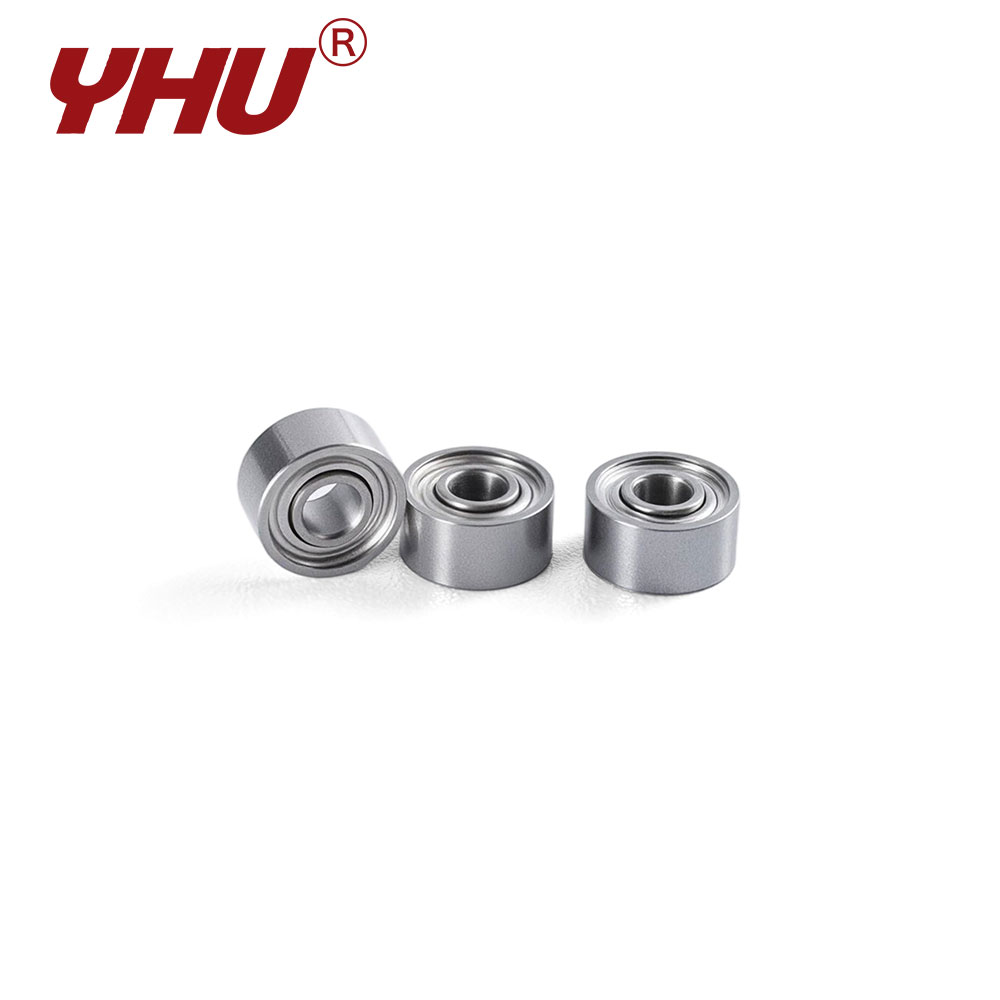
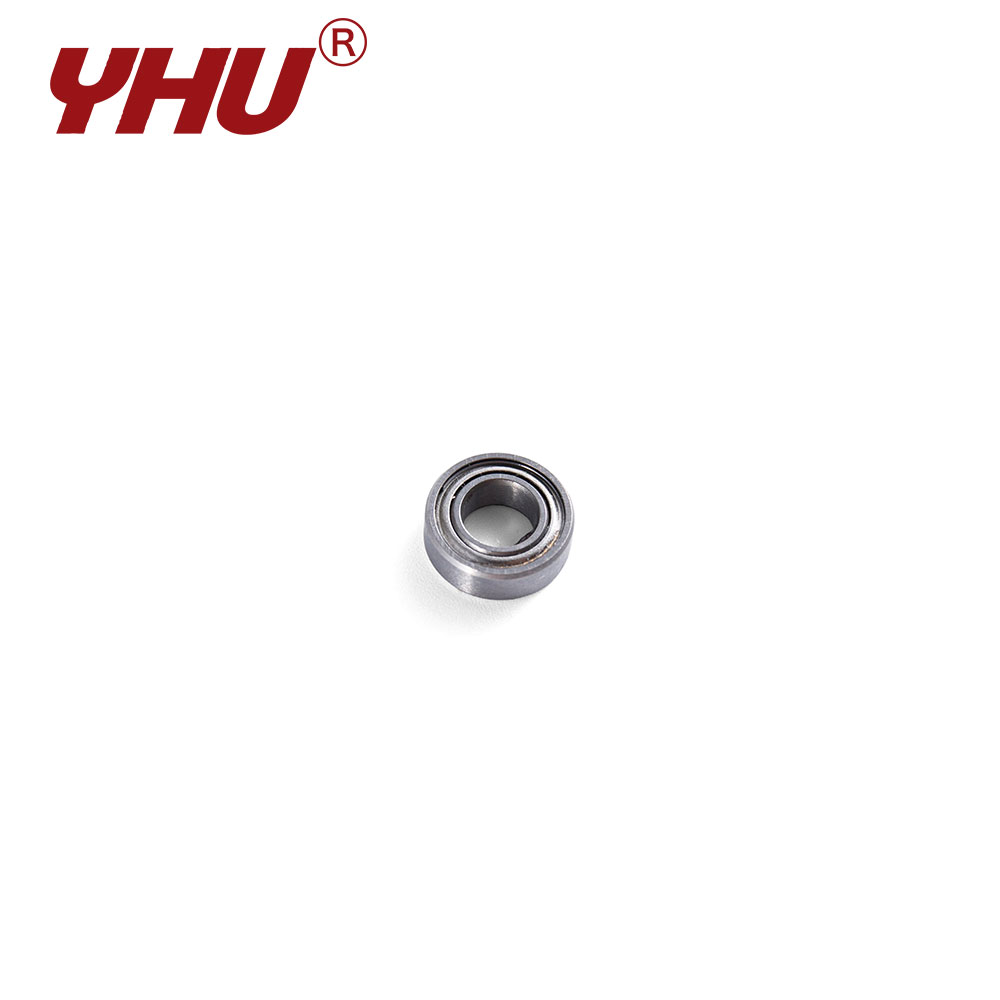
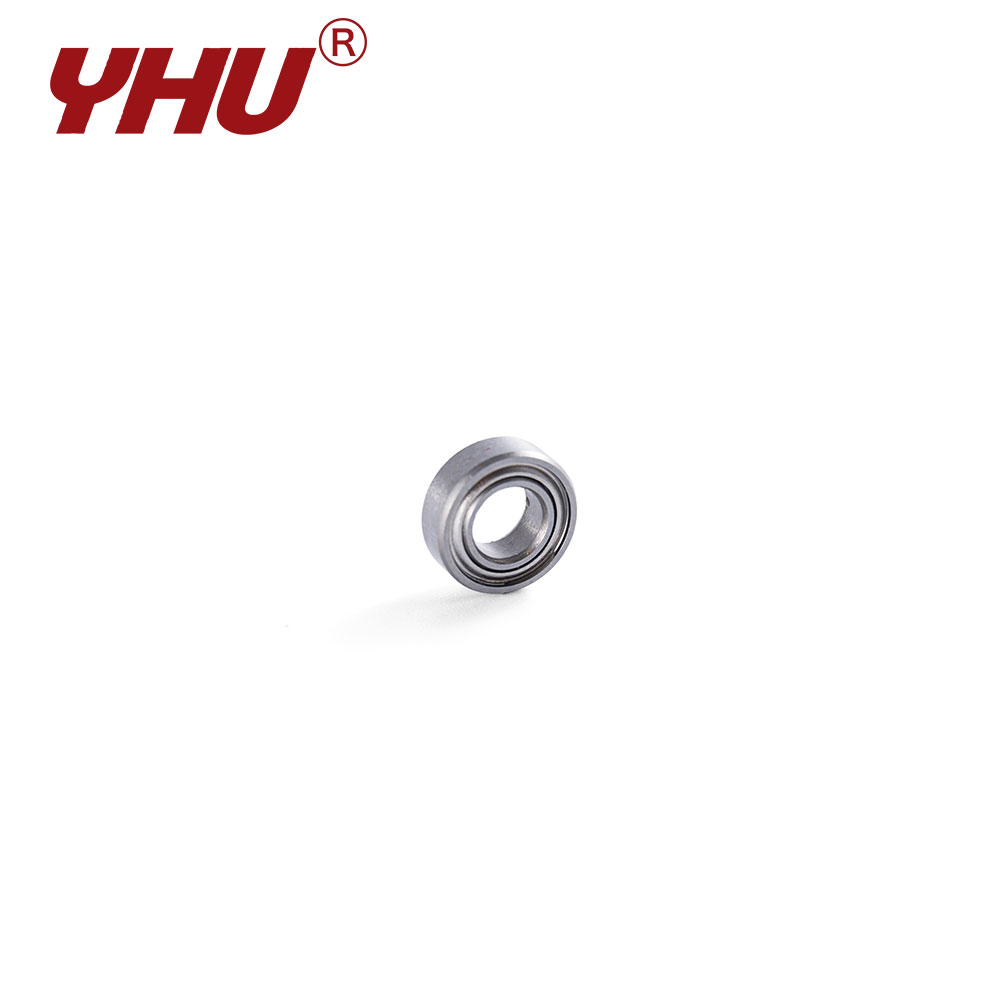
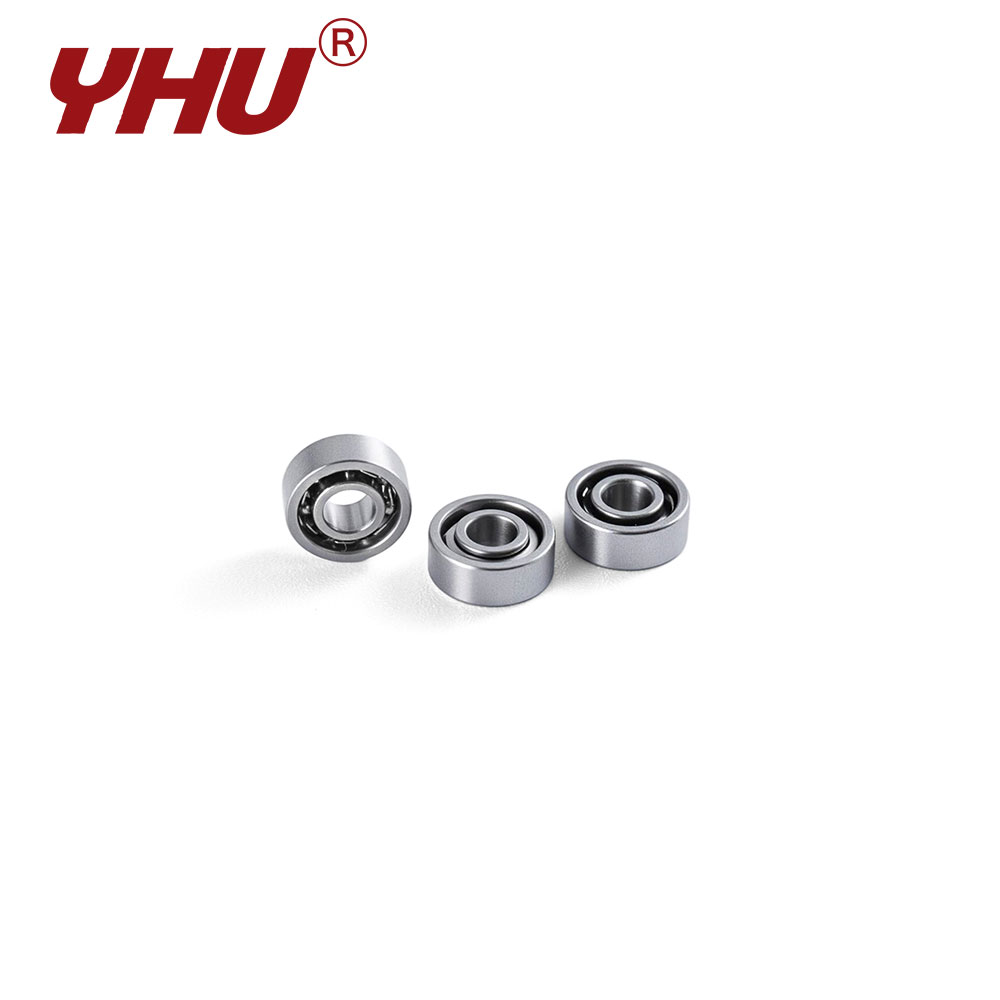
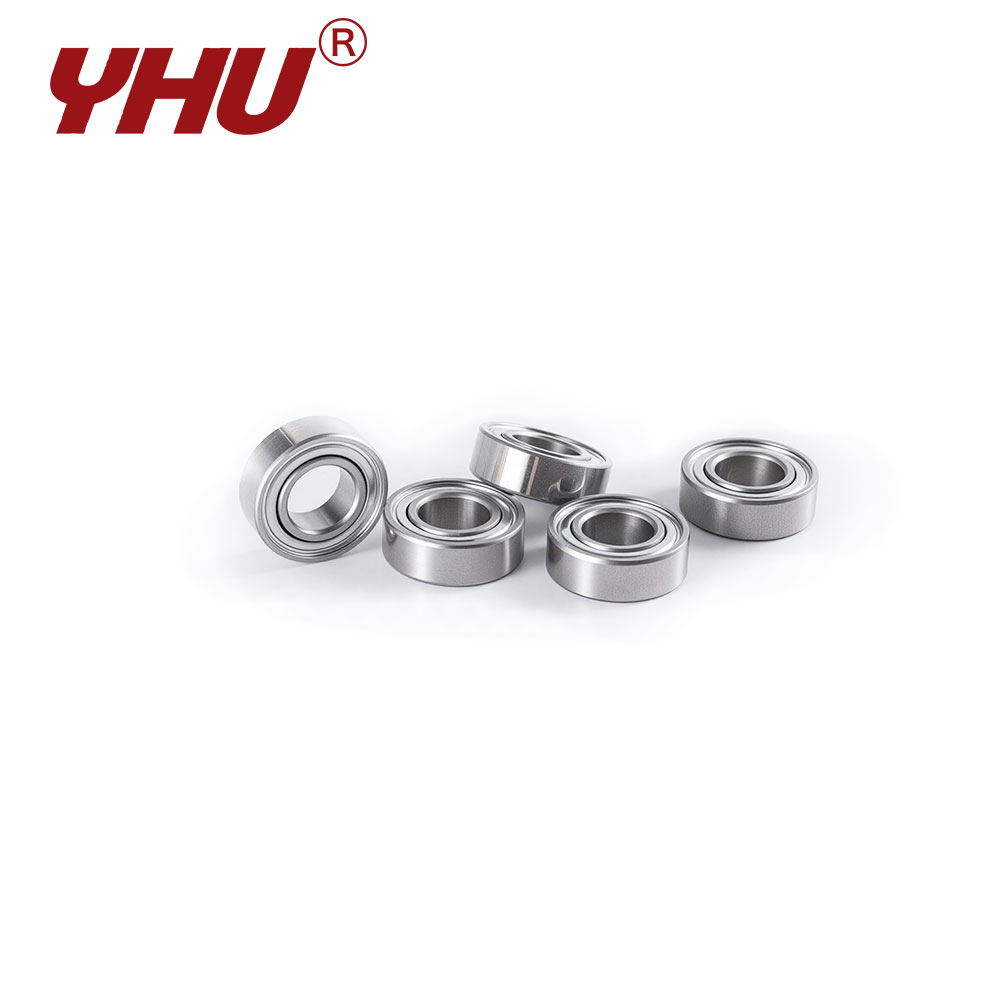
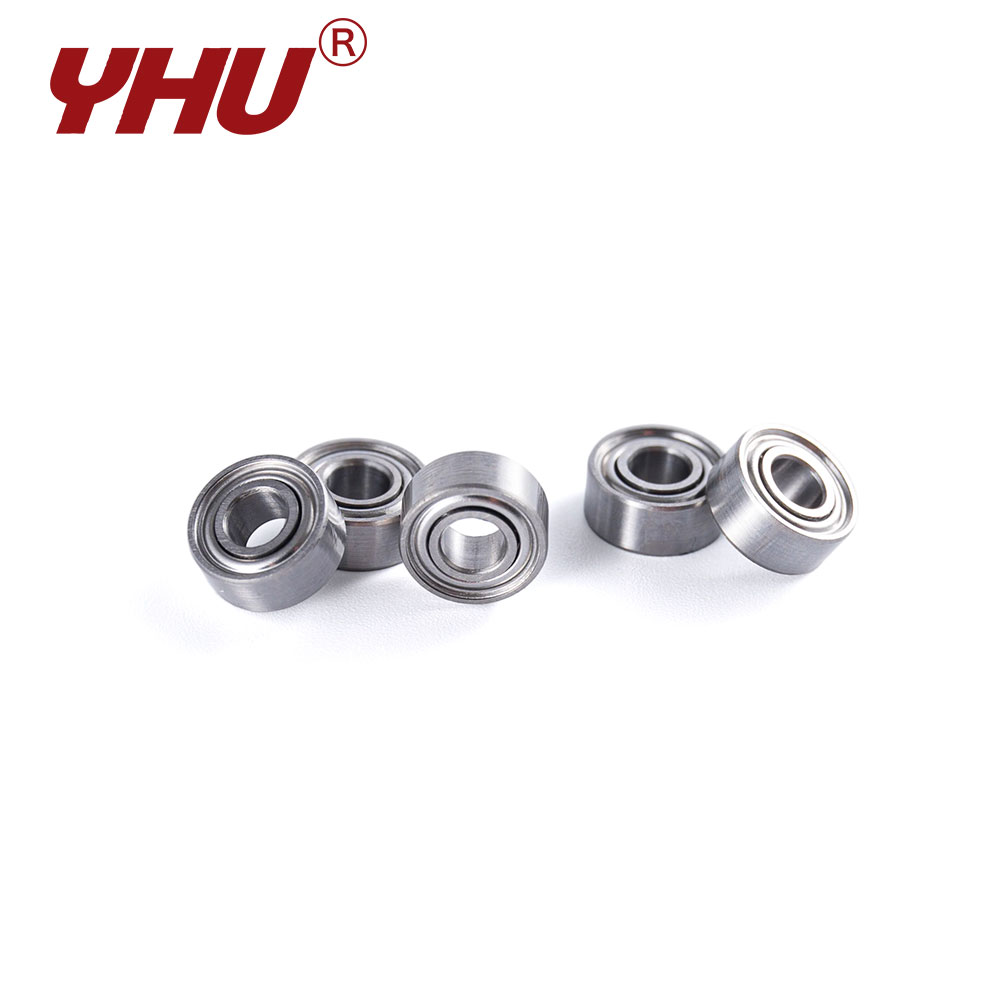
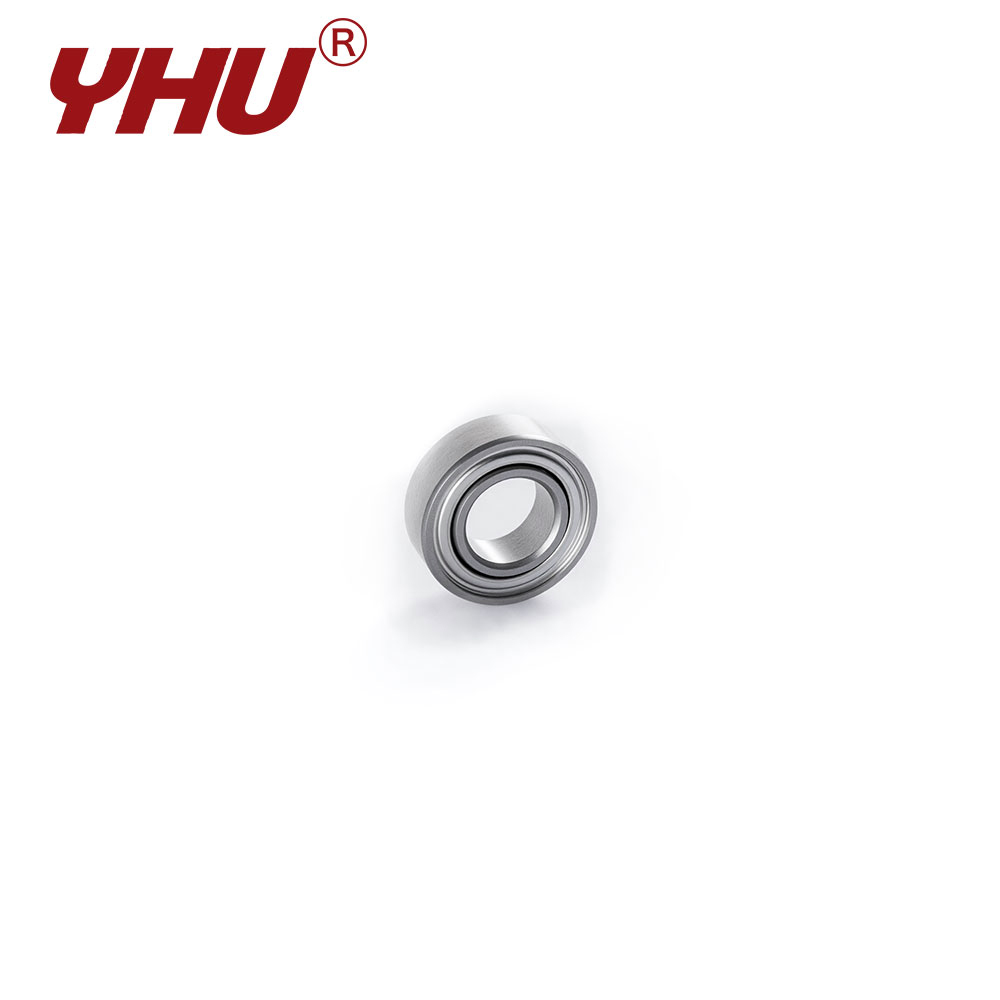
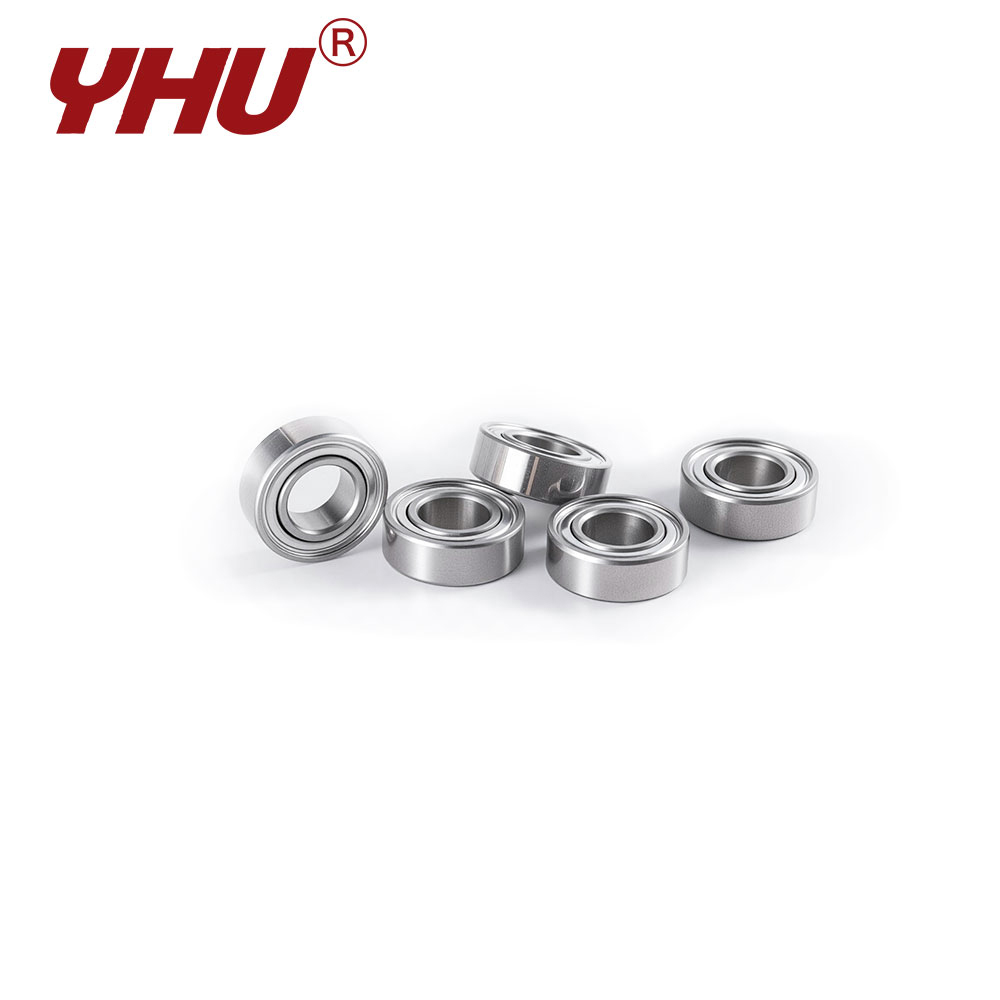
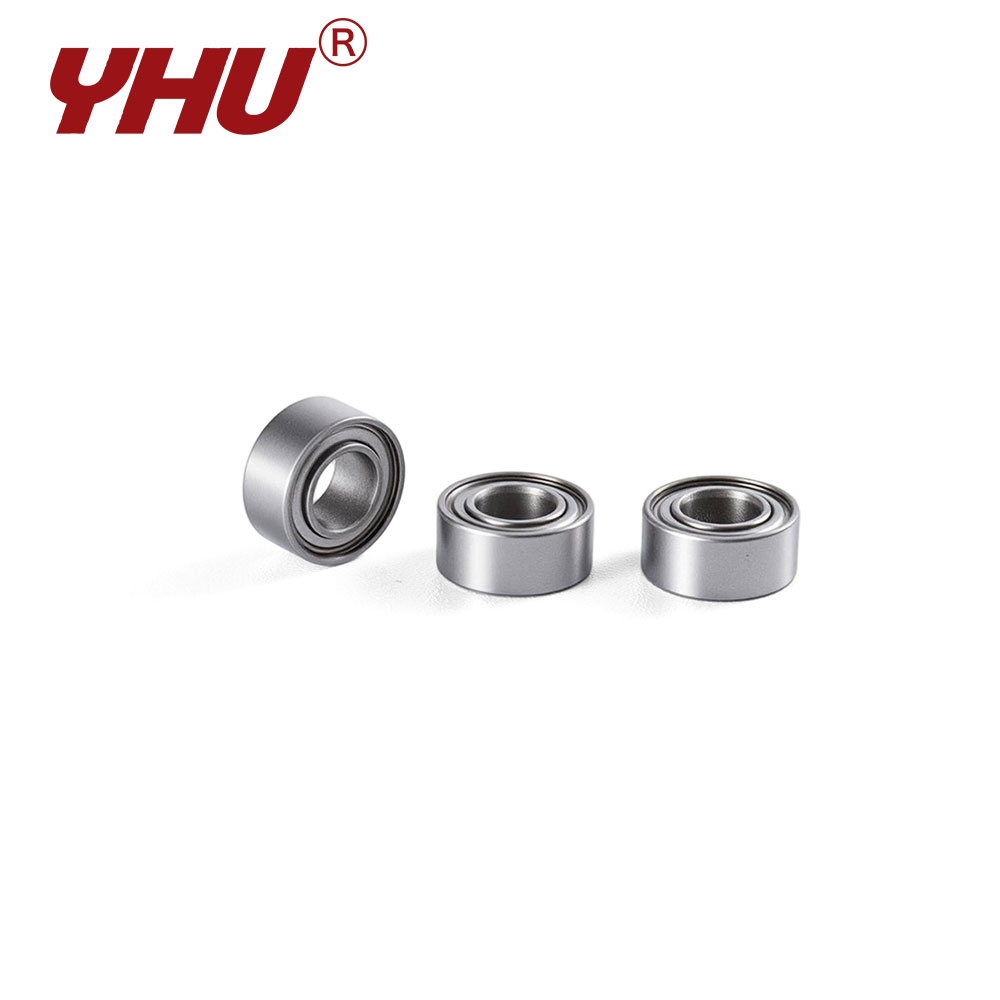
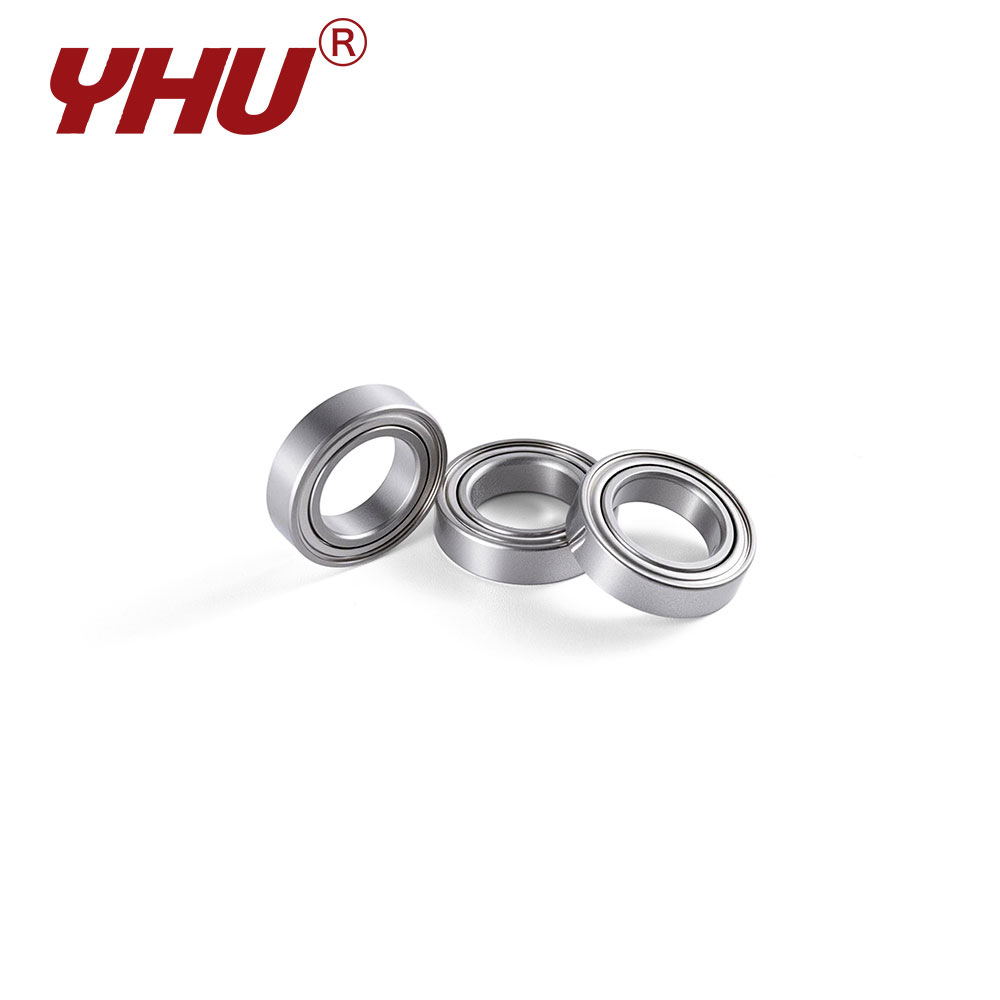
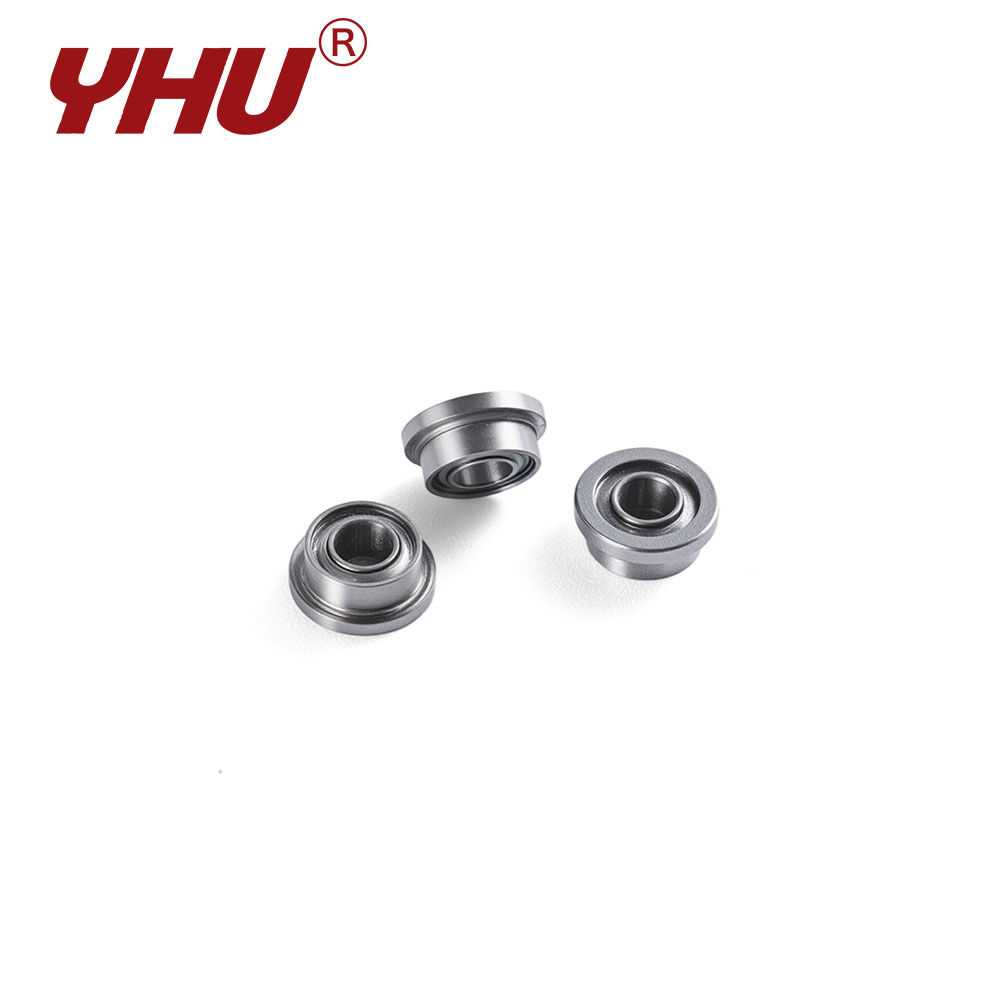
Clearance adjustment is one of the key technologies in the installation and commissioning of stainless steel bearings, affecting the operating status of the bearings and even the entire equipment. Yinghong Transmission, as a professional manufacturer of stainless steel bearings, attaches great importance to the clearance adjustment of stainless steel bearings.
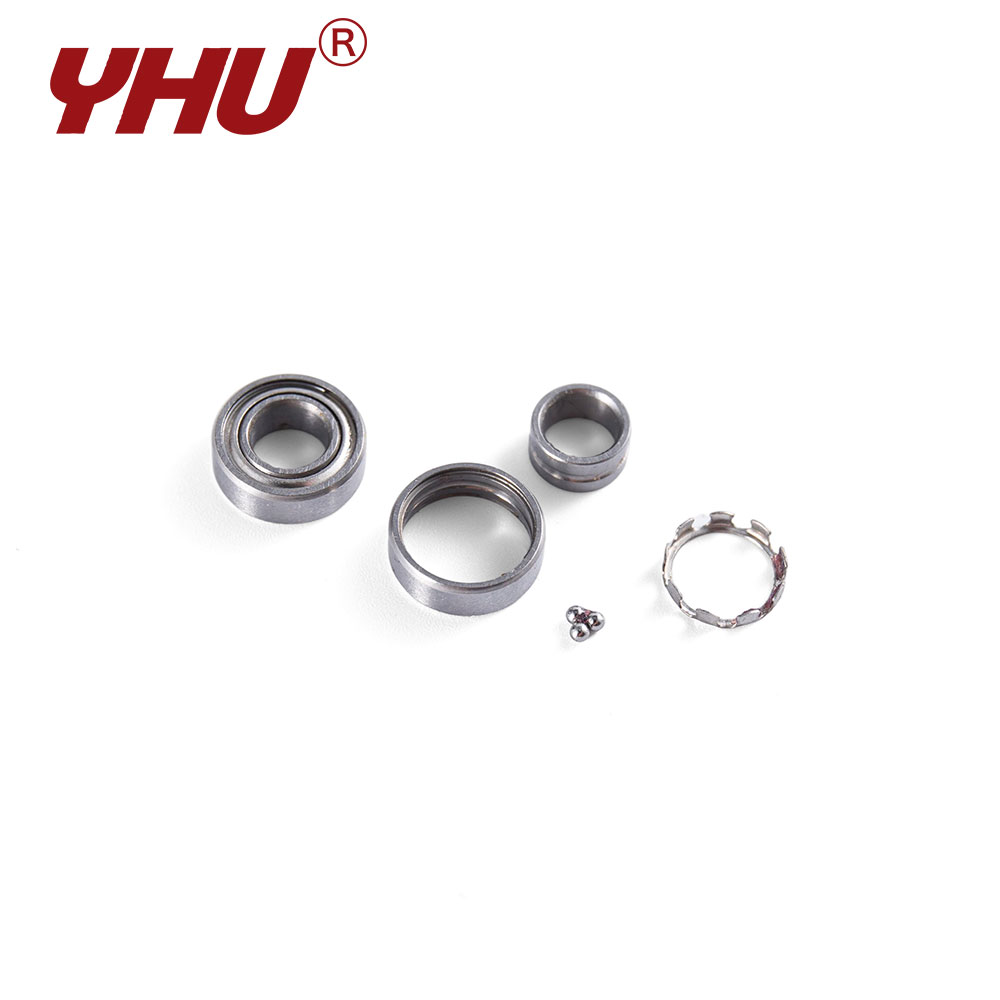
So what is the clearance of a stainless steel bearing? The clearance of a stainless steel bearing refers to the gap (or interference) within a single bearing or a system composed of several bearings. Depending on the bearing type and measurement method, clearance can be divided into axial clearance and radial clearance. Excessive or insufficient bearing clearance will significantly reduce the bearing's service life and even the stability of the entire equipment operation; therefore, proper bearing clearance adjustment is crucial.
The method of clearance adjustment is determined by the bearing type, generally divided into non-adjustable and adjustable clearance bearings. Non-adjustable clearance bearings have a fixed clearance after leaving the factory, such as deep groove ball bearings, self-aligning roller bearings, and cylindrical roller bearings. Adjustable clearance bearings allow the relative axial position of the bearing raceways to be moved to obtain the desired clearance; examples include tapered roller bearings, angular contact ball bearings, and some thrust bearings. For non-adjustable bearing clearance, besides industry-standard values (such as C3, C4), specific clearance ranges can also be customized. When the shaft and bearing housing dimensions are known, the corresponding inner and outer ring fit amounts are determined, and the clearance after installation cannot be changed. Since the fit amounts are a range during the design phase, the final clearance also has a range, making it unsuitable for applications with high clearance precision requirements.
In short, the optimal operating clearance is determined by the bearing's application conditions (including load, speed, and design parameters) and the desired operating state (including maximum lifespan, optimal stiffness, low heat generation, ease of maintenance, etc.). However, in most applications, we cannot directly adjust the operating clearance, requiring us to calculate the corresponding clearance value after installation based on application analysis and experience.
Message Feedback

Professional Manufacturer of Precision Bearings
- Contact Information
-
-
+86 162 6918 9999 +86 136 1619 2555

-
+86 153 0641 4247

-
jeffrey@yhu1988.com

rose@yhu1988.com -
Yinghong Industrial Park, Zexin Avenue, Xingou Auto Parts Industrial Park, Funing County, Yancheng City, Jiangsu Province, China

-
- QR Code
Copyright ©
Jiangsu Yinghong Transmission Technology Co., Ltd.
All Rights Reserved.
Custom Miniature Ball Bearing Manufacturers

