


 English
 русский
 Español
 عربى
 日本語

 Home / Products / Deep Groove Ball Bearings / Bearing Steel Bearings / Metric Miniature Series / 68 Series Miniature Deep Groove Ball Bearings
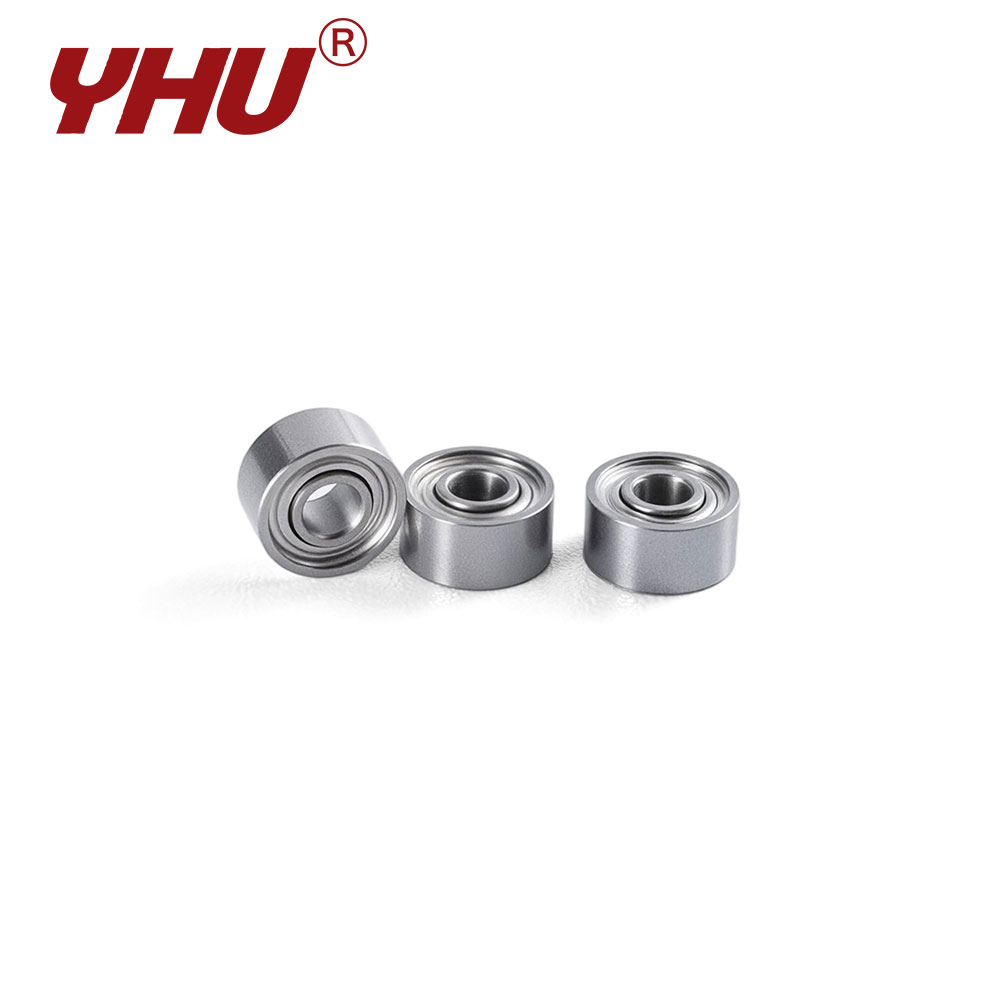
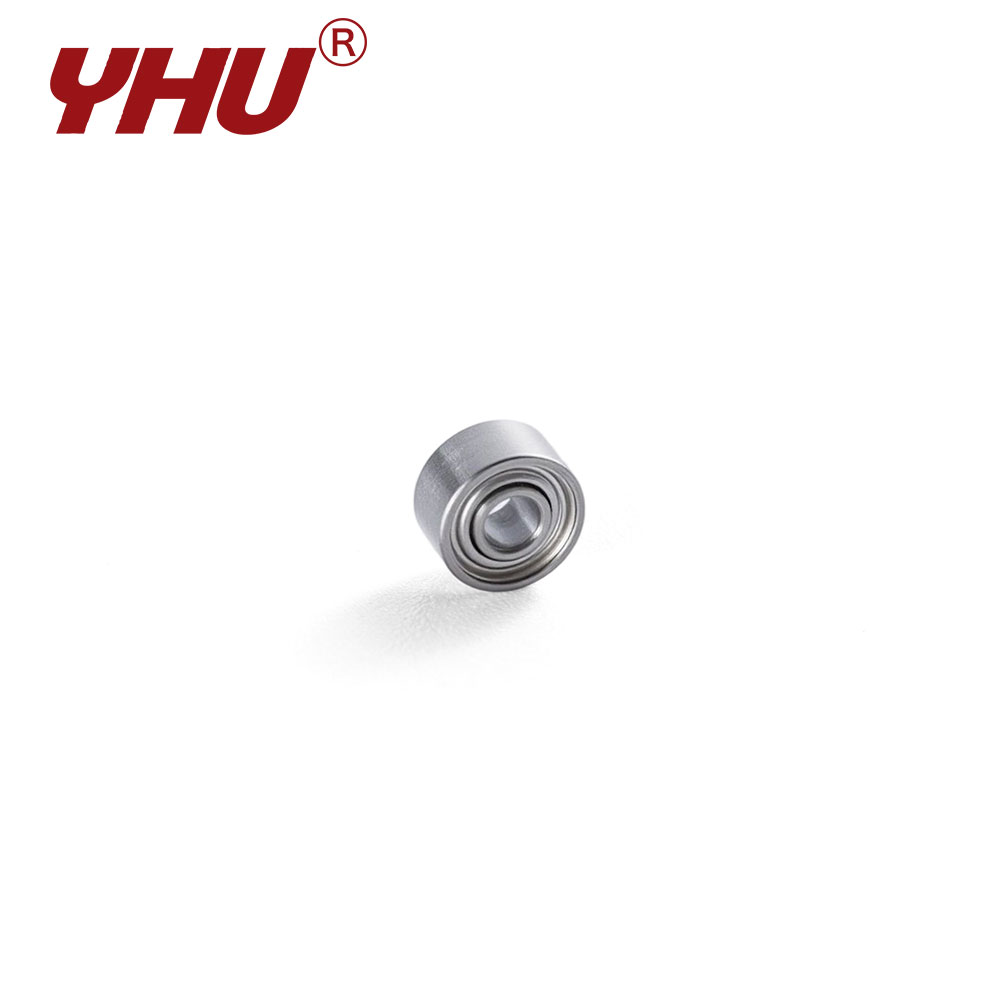
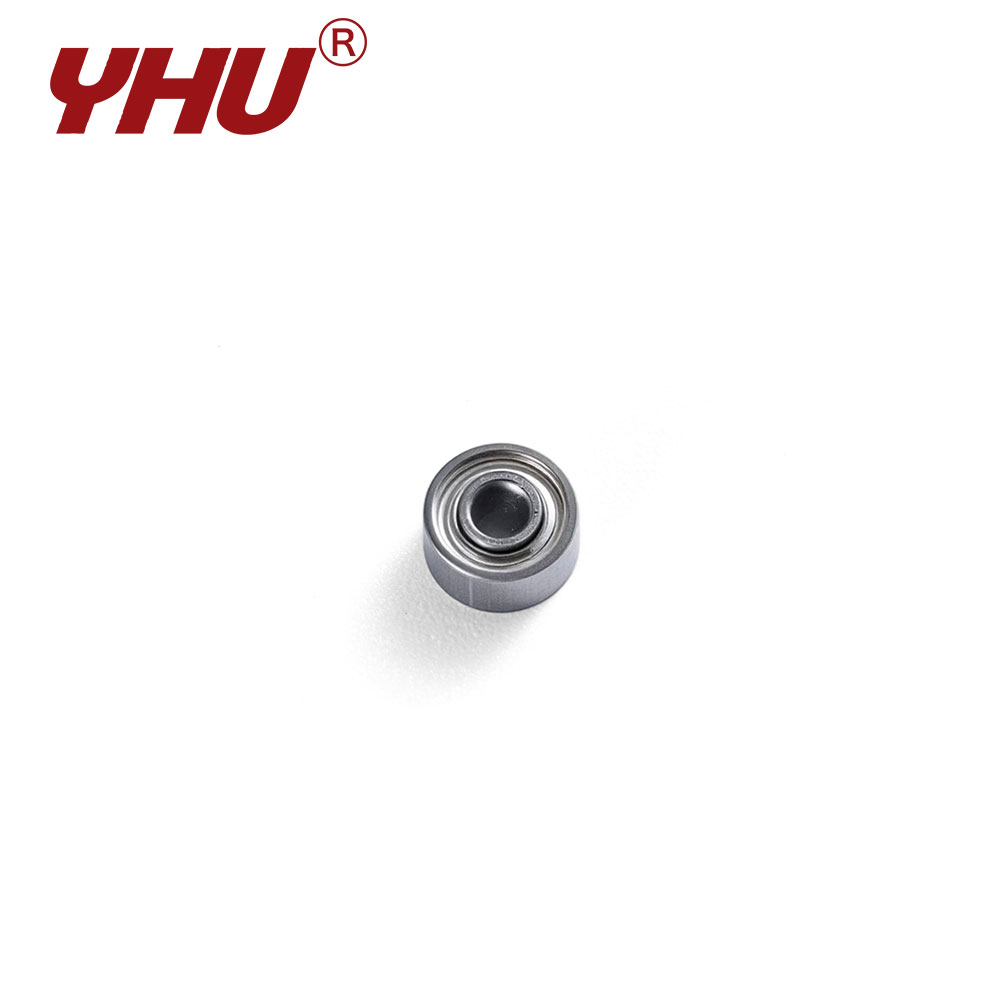
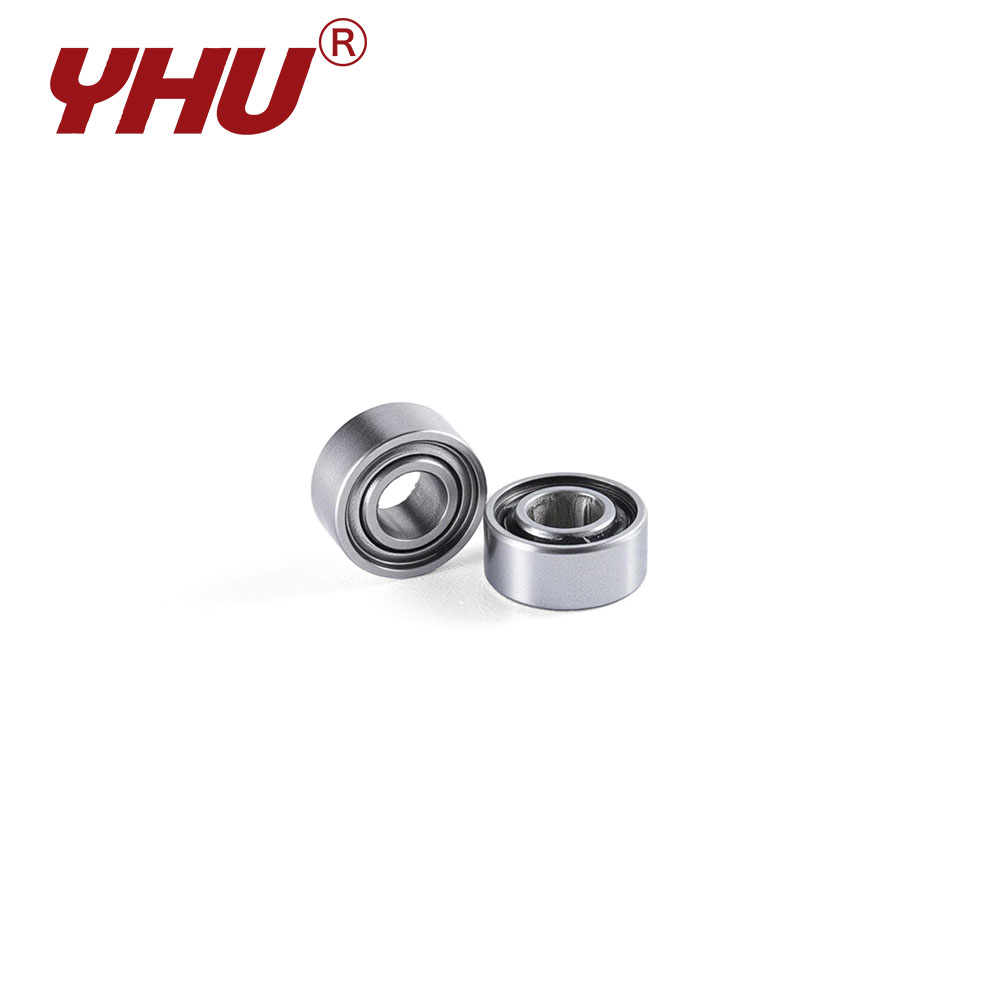
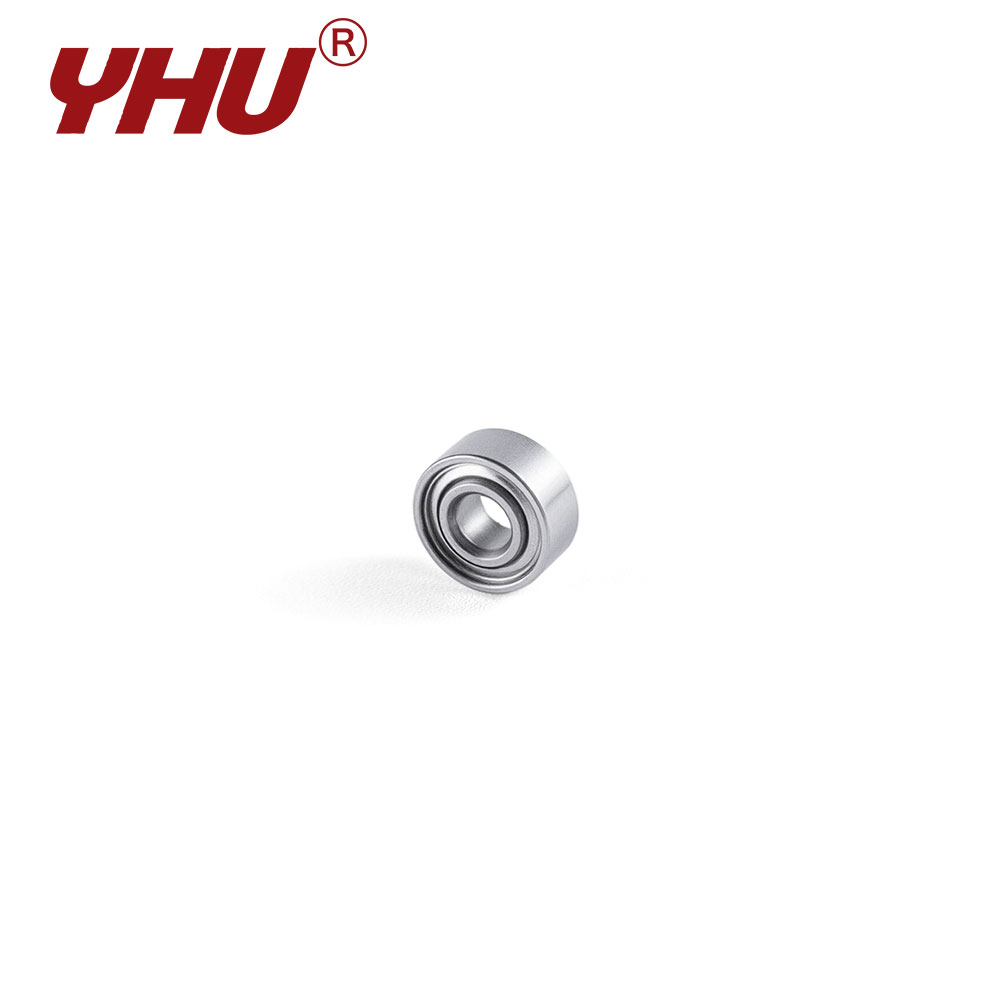
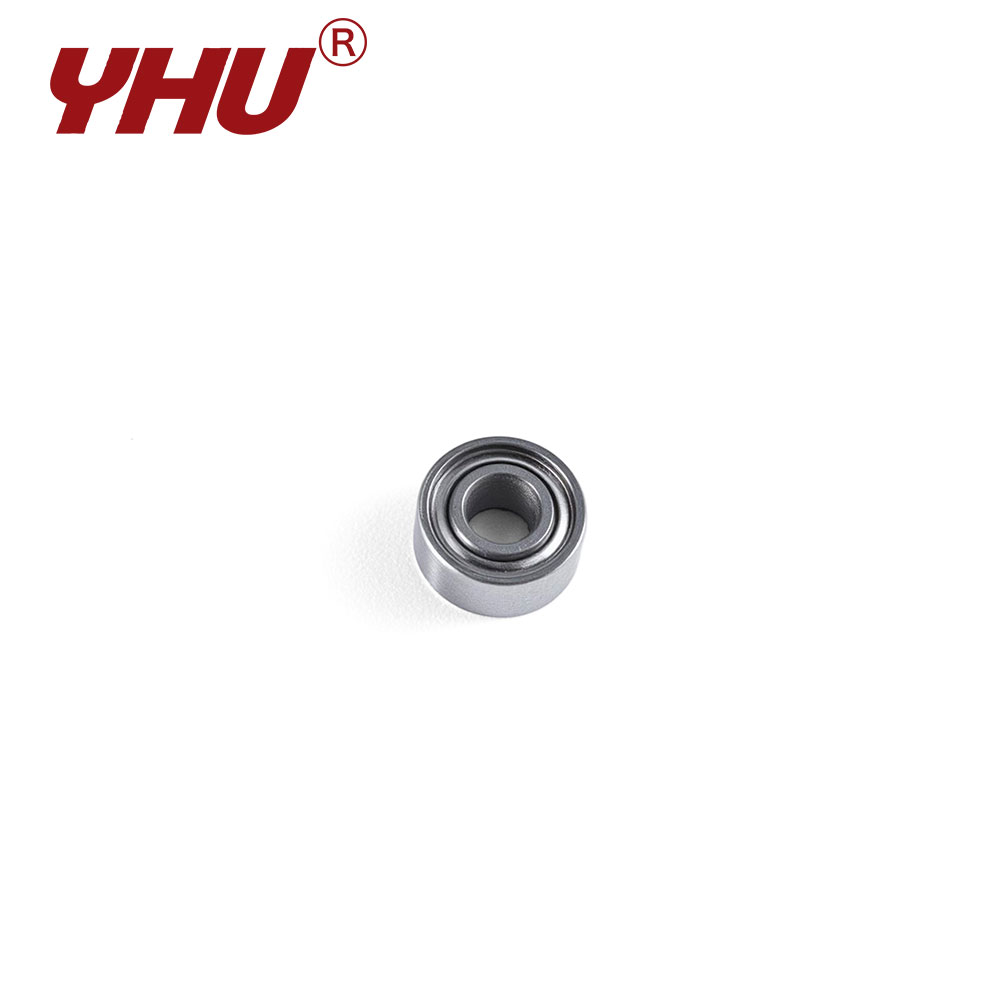
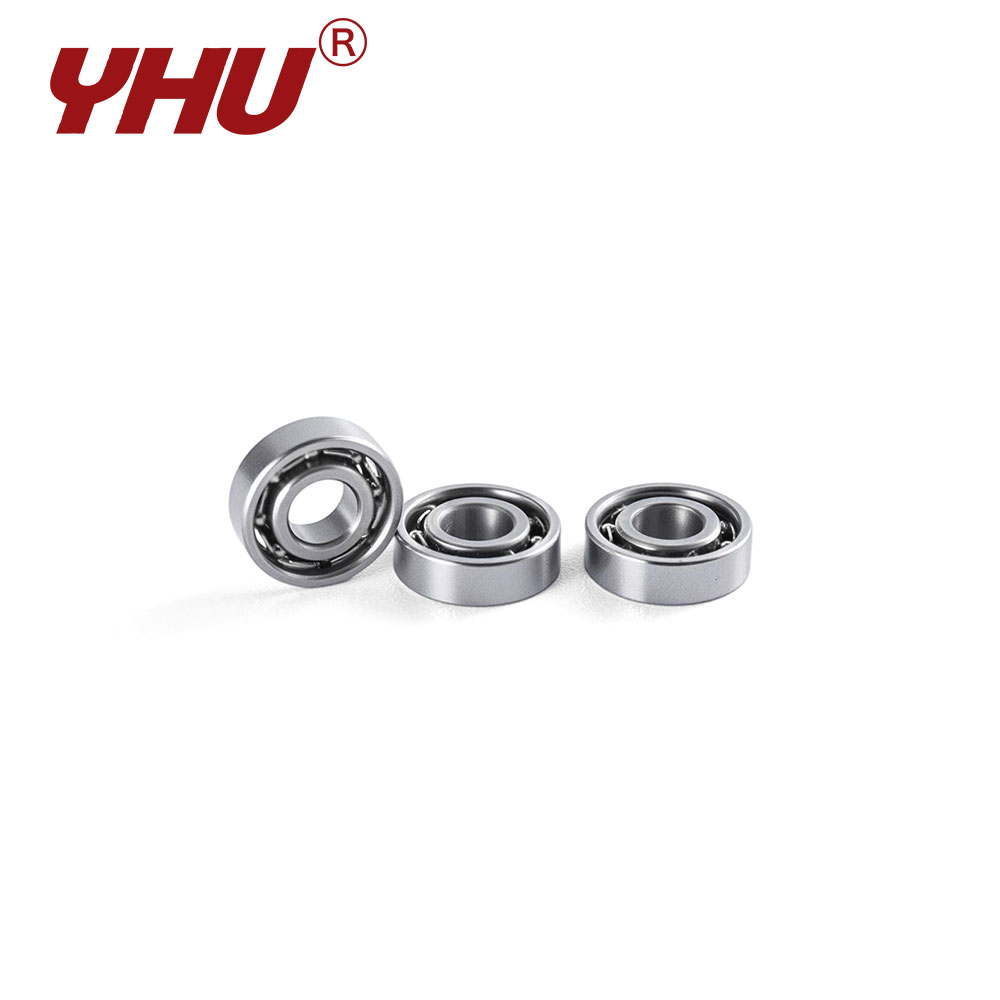
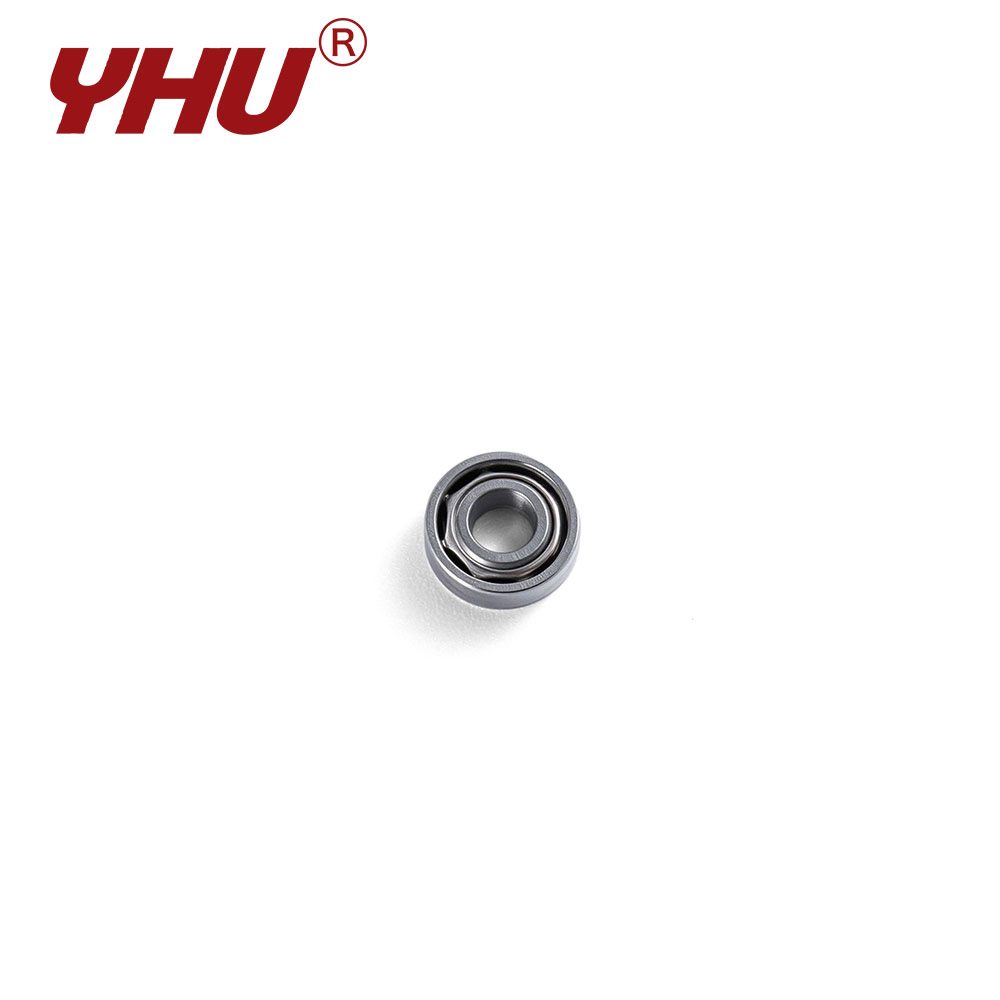
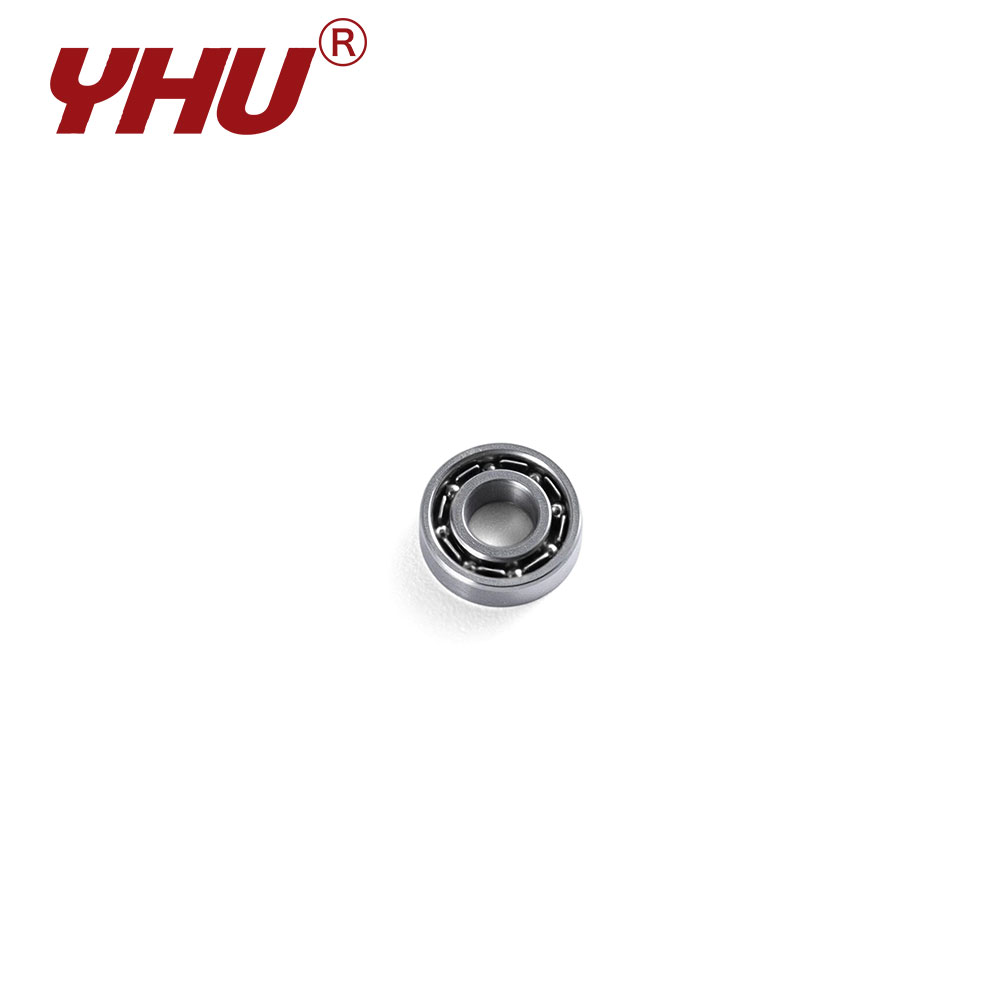
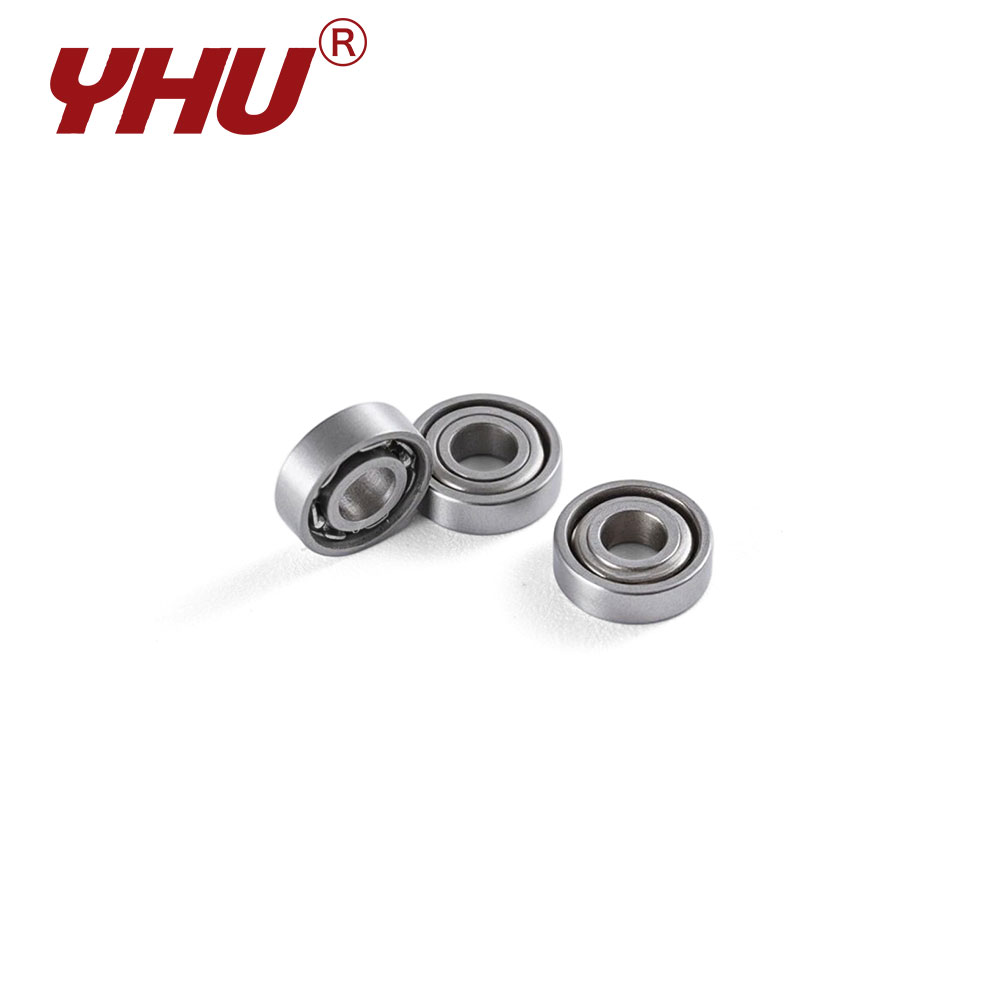
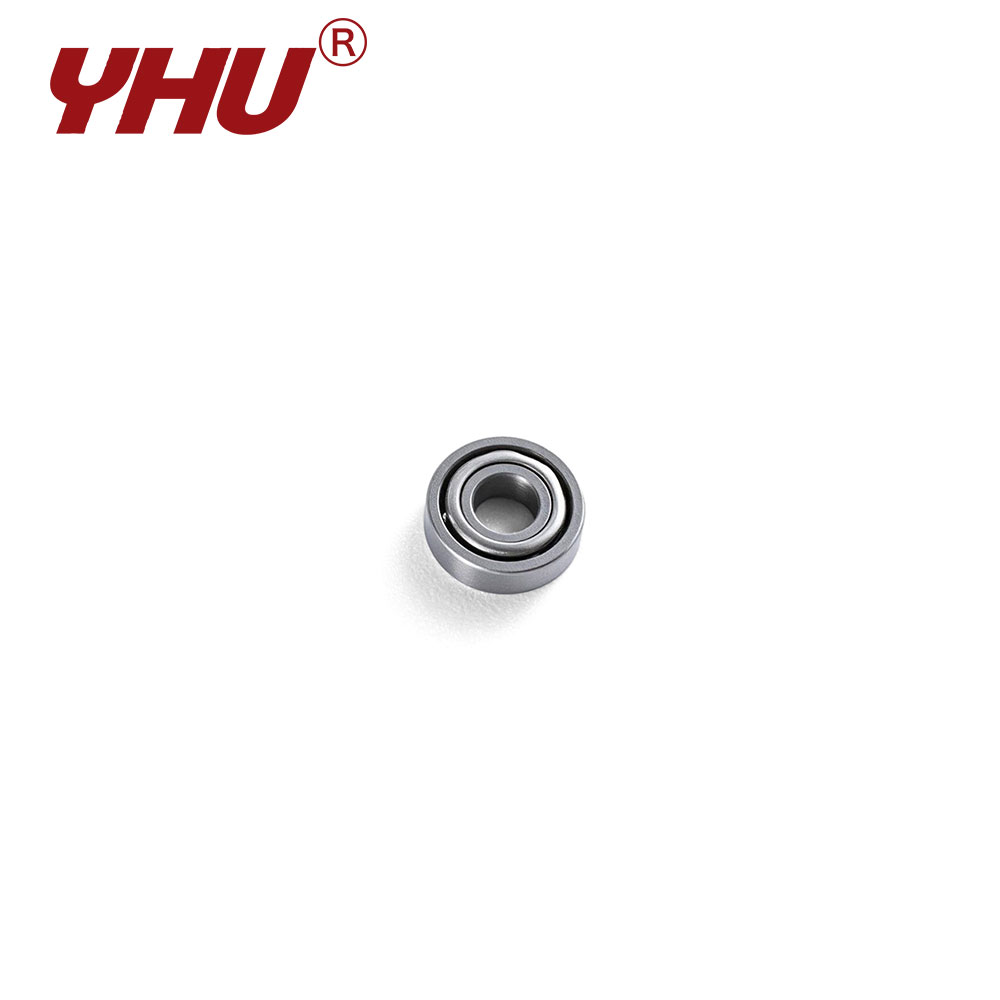
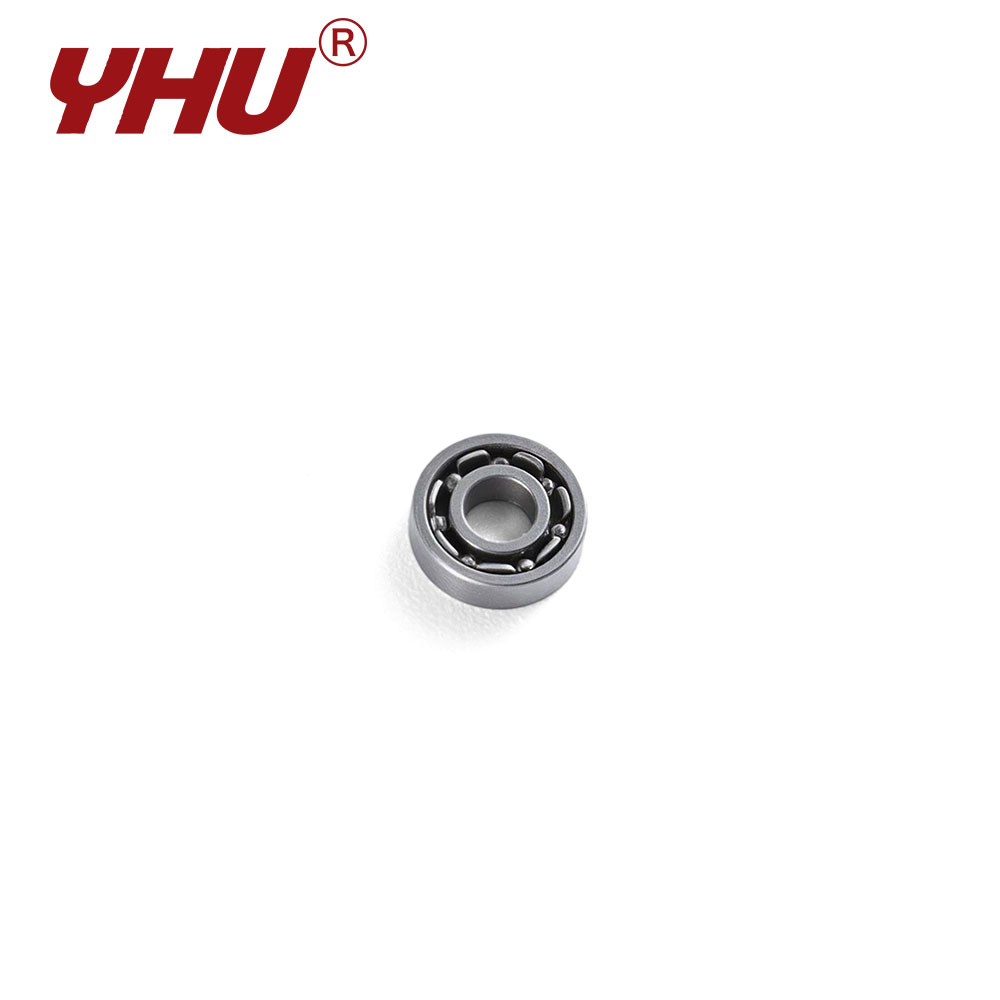
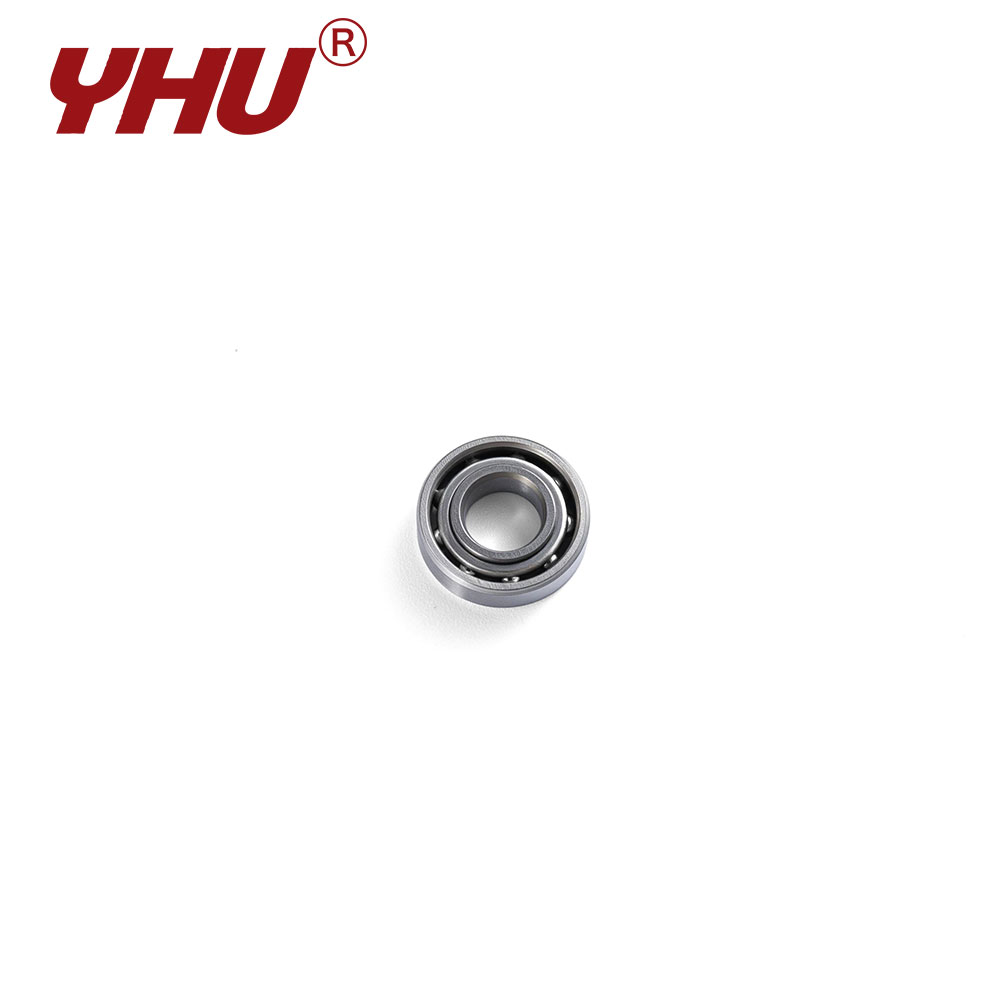
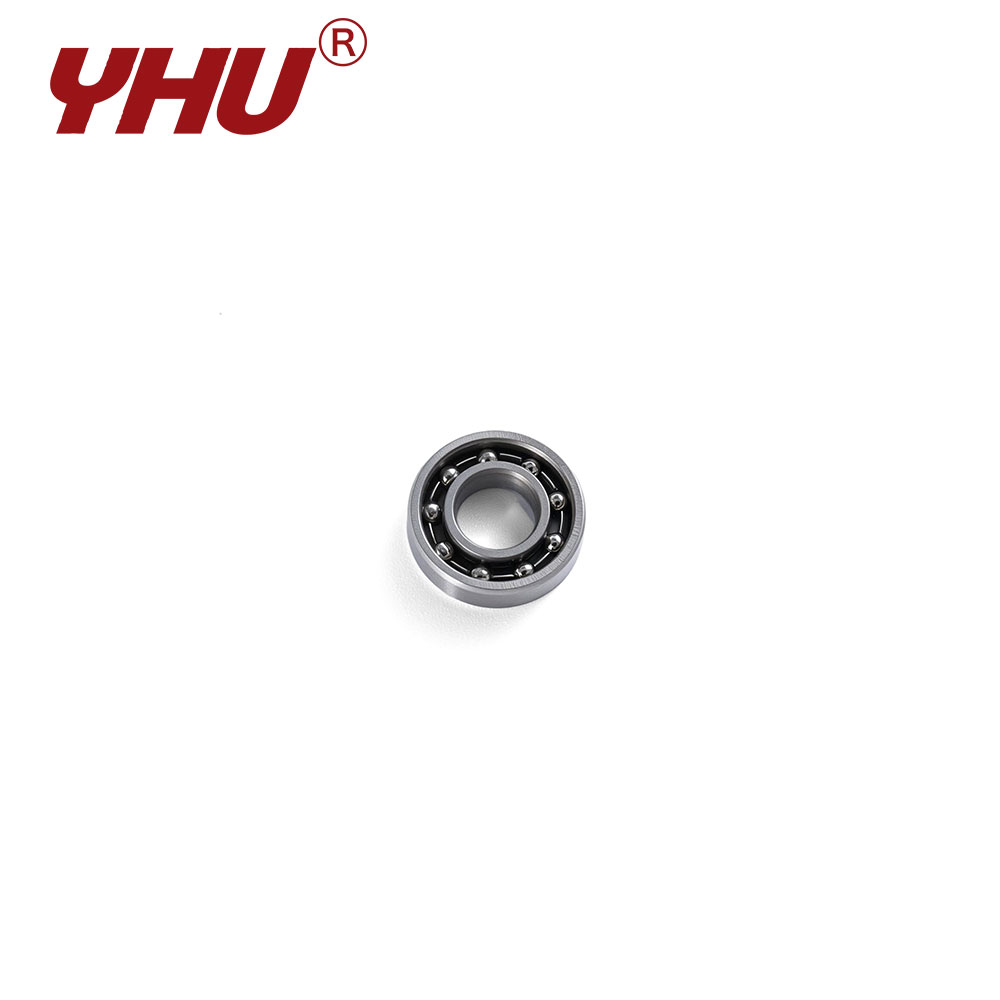
68 Series Miniature Deep Groove Ball Bearings
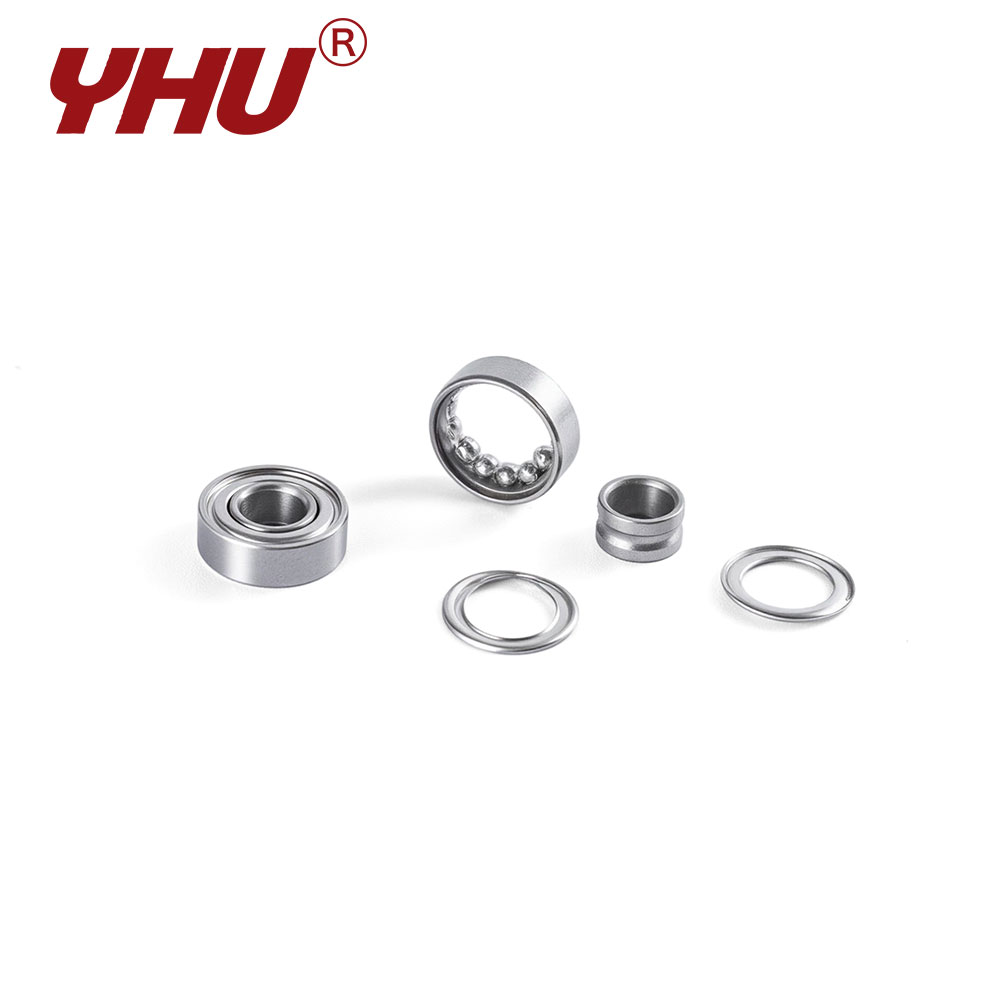
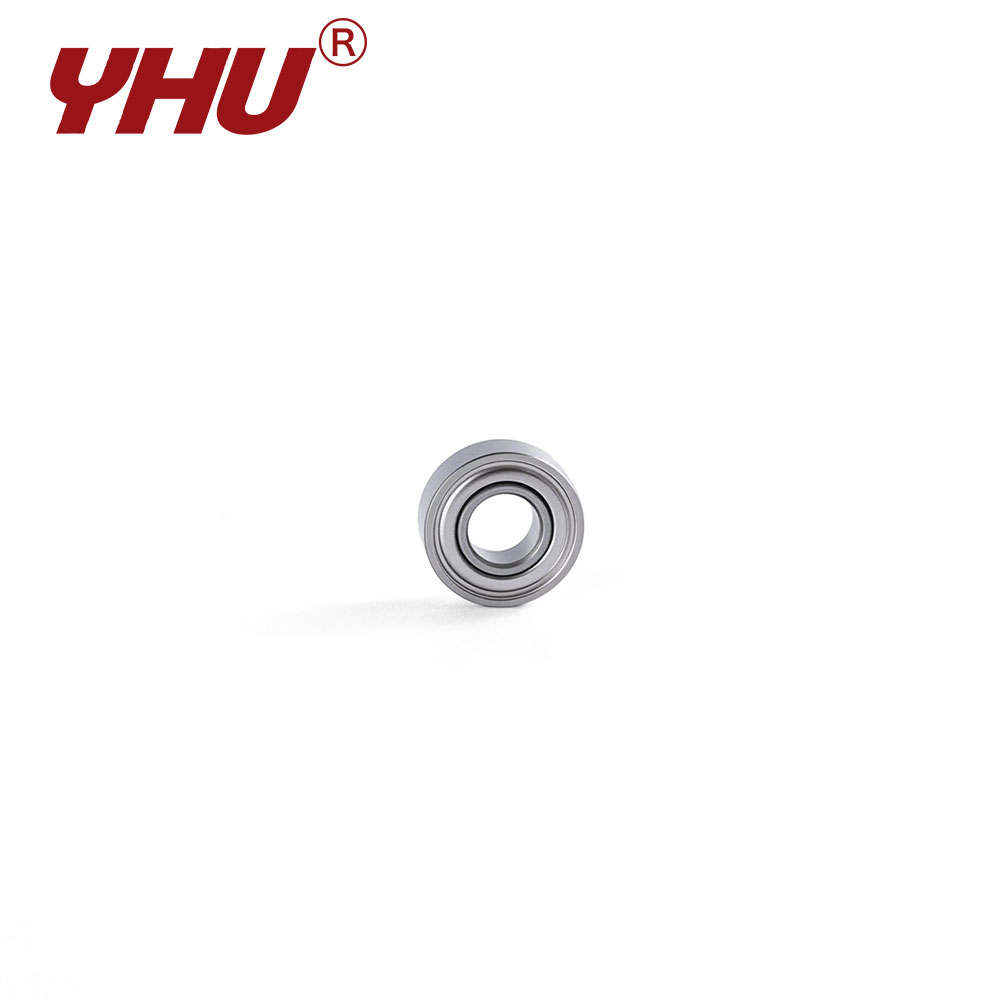
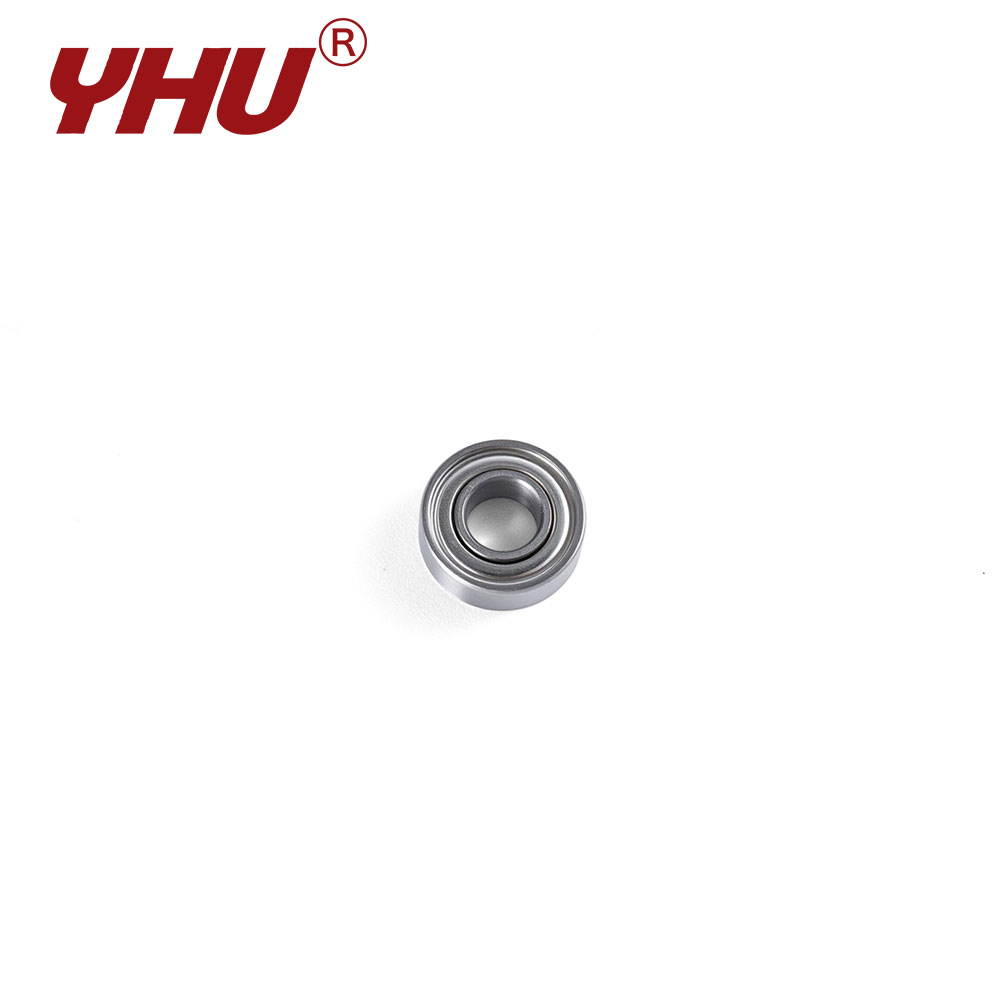
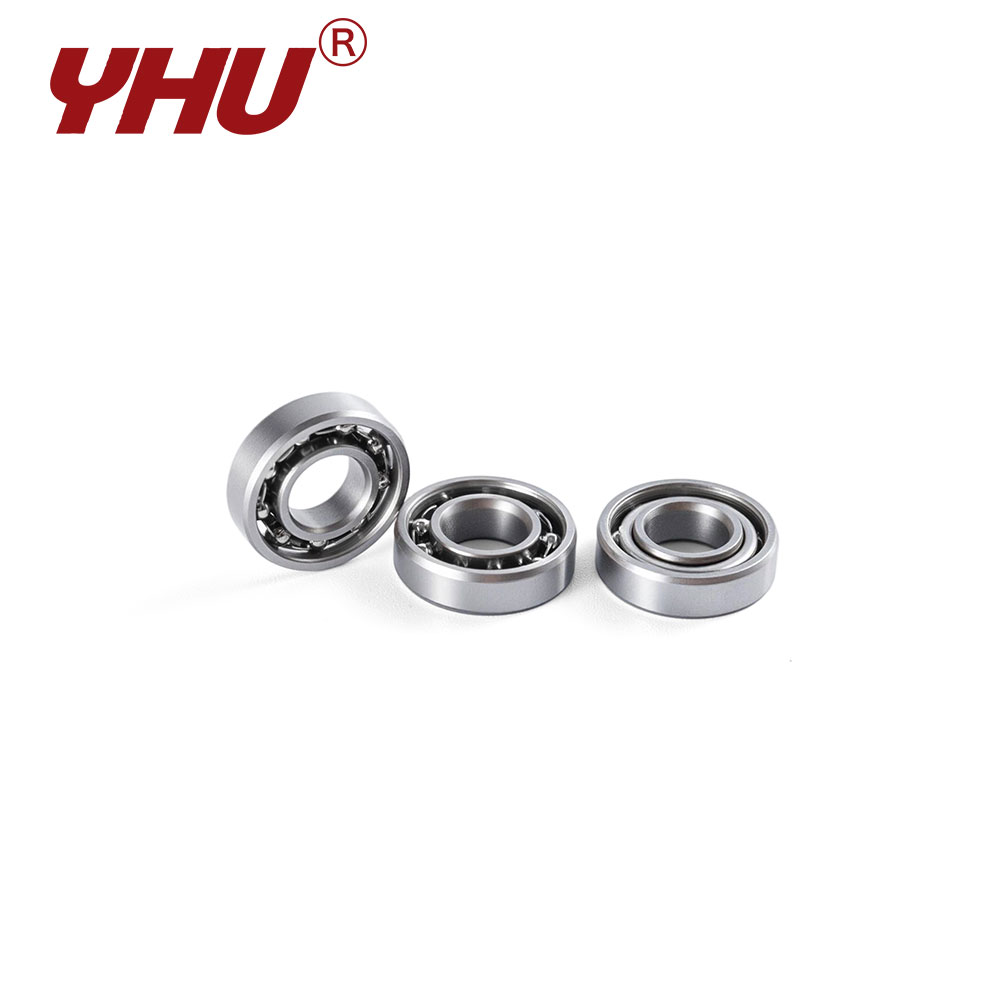
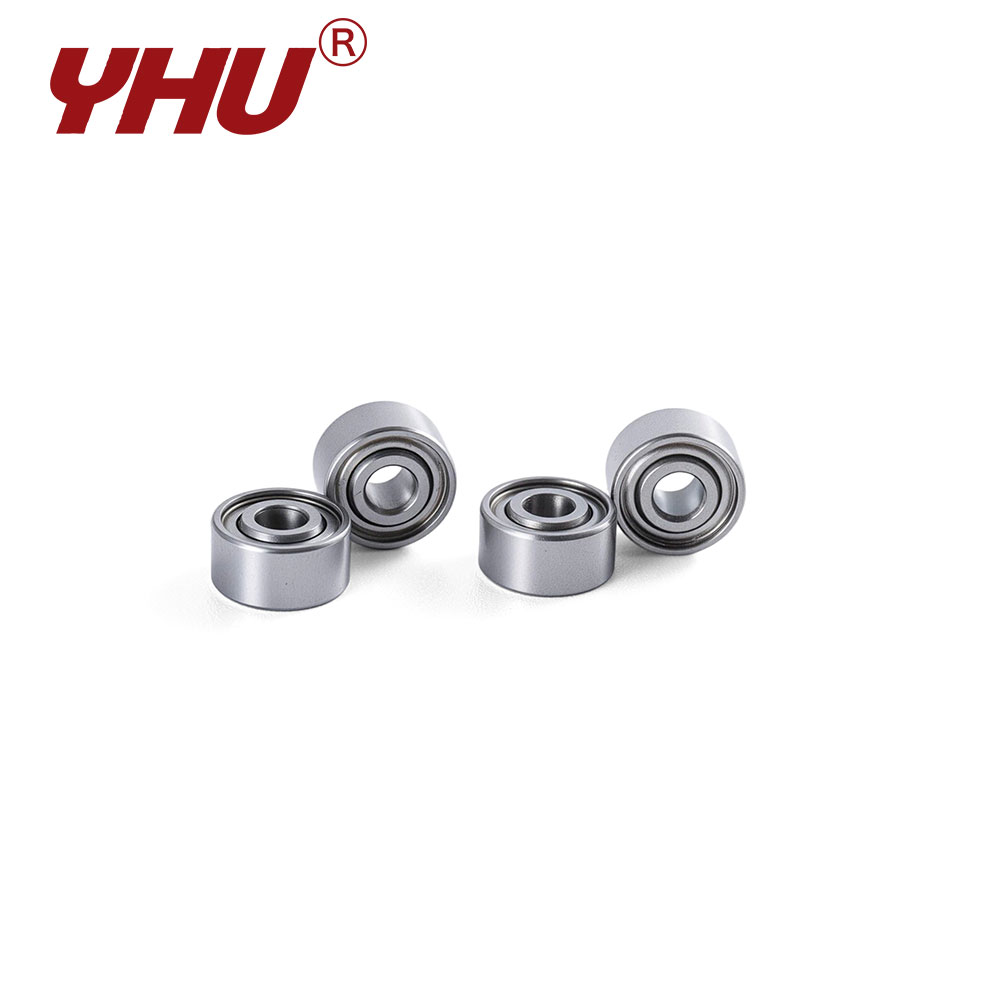
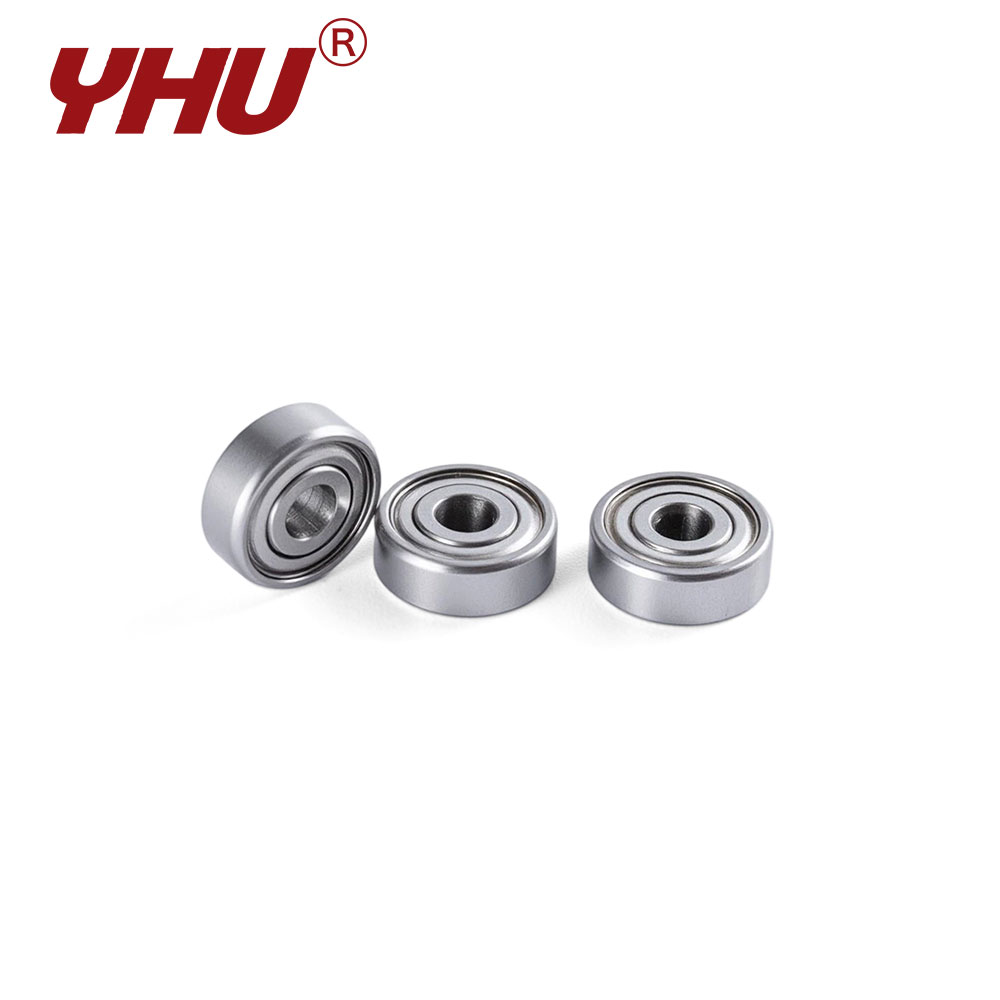
The core competitive advantage of this bearing series lies in its ultra-thin wall structure. Its inner diameter range spans tiny dimensions from 1 mm to 9 mm, enabling it to meet the installation requirements of a wide variety of miniaturized rotating devices.

Bearing Features
In terms of performance parameters, despite their slender profiles, these bearings maintain high precision and high limiting speeds. Even the Model 681—with an inner diameter of just 1 mm—demonstrates excellent limiting speed performance under oil-lubricated conditions. The internal raceways undergo precision grinding to ensure a low friction coefficient during high-speed operation, thereby minimizing heat generation and extending service life. Furthermore, the products strictly adhere to "zero defect" quality management standards, ensuring that every single bearing delivers reliable performance even under rigorous operating conditions.
Regarding application fields, this ultra-thin wall series is widely utilized in model aircraft, medical devices, precision instruments, and various types of miniature motors. In these sectors, the weight and volume of the bearings often directly impact the overall performance of the final product. By incorporating this bearing series, designers can further reduce equipment dimensions and achieve weight-reduction objectives, all while guaranteeing the precision and stability of the mechanical transmission system.
Technical Specifications
| Bearing Reference | Boundary Diameters | Basic Dynamic | Basic Static | Limiting Speeds | ||||||||||
| Flange | Open | Shield | d mm |
D mm |
Df mm |
B mm |
Bf mm |
B1 mm |
Bf1 mm |
rsmin mm |
Cr(kN) | Cor(kN) | Grease | Oil |
| F | 681 | - | 1 | 3 | 3.8 | 1 | 0.3 | - | - | 0.05 | 0.074 | 0.02 | 16.5 | 18.5 |
| F | 682 | ZZ | 2 | 5 | 6.1 | 1.5 | 0.5 | 2.3 | 0.6 | 0.08 | 0.167 | 0.049 | 9.4 | 10.6 |
| F | 683 | ZZ | 3 | 7 | 8.1 | 2 | 0.5 | 3 | 0.8 | 0.1 | 0.314 | 0.108 | 6.6 | 7.4 |
| F | 684 | ZZ | 4 | 9 | 10.3 | 2.5 | 0.6 | 4 | 1 | 0.1 | 0.637 | 0.225 | 5.1 | 5.7 |
| F | 685 | ZZ | 5 | 11 | 12.5 | 3 | 0.8 | 5 | 1 | 0.15 | 0.715 | 0.284 | 4.1 | 4.6 |
| F | 686 | ZZ | 6 | 13 | 15 | 3.5 | 1 | 5 | 1.1 | 0.15 | 1.08 | 0.441 | 3.5 | 3.9 |
| F | 687 | ZZ | 7 | 14 | 16 | 3.5 | 1 | 5 | 1.1 | 0.15 | 1.18 | 0.51 | 3.1 | 3.5 |
| F | 688 | ZZ | 8 | 16 | 18 | 4 | 1 | 5 | 1.1 | 0.2 | 1.25 | 0.588 | 2.8 | 3.1 |
| F | 689 | ZZ | 9 | 17 | 19 | 4 | 1 | 5 | 1.1 | 0.2 | 1.32 | 0.666 | 2.5 | 2.8 |
About Us
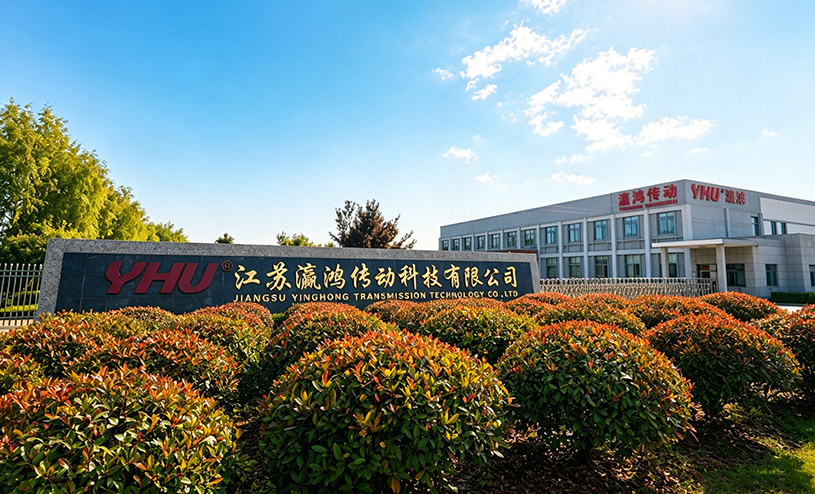
Jiangsu Yinghong Transmission Technology Co., Ltd. (YHU) was established in 2024 through the joint investment of Dongguan Yinghong, Linqing Boshuo, and Yancheng Jiwei. As China 68 Series Miniature Deep Groove Ball Bearings Suppliers and Custom 68 Series Miniature Deep Groove Ball Bearings Factory, specializing in the research, development, manufacturing, and service of transmission products, we leverage extensive industry experience and strong technical expertise to provide reliable, energy-efficient transmission solutions for customers worldwide.
The company covers more than 70 mu of land and operates nearly 10,000 square meters of manufacturing facilities. As a professional manufacturer of precision special bearings in China, we have introduced advanced Japanese precision manufacturing technology and equipped our facility with automated production lines and high-precision testing equipment. A comprehensive quality management system ensures consistent product quality and reliable performance.
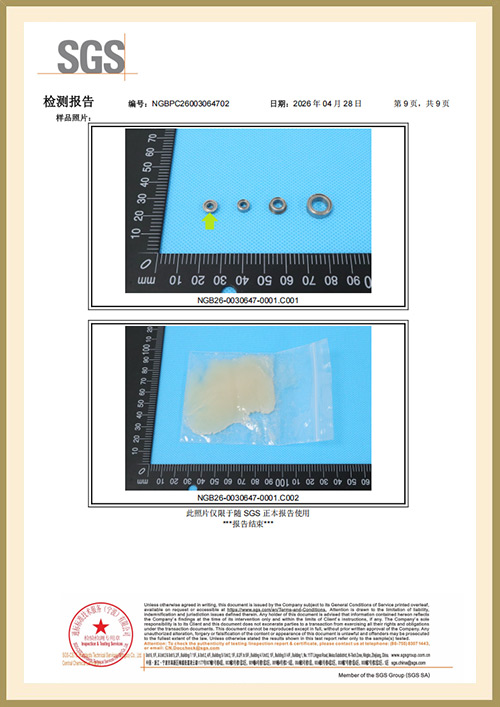
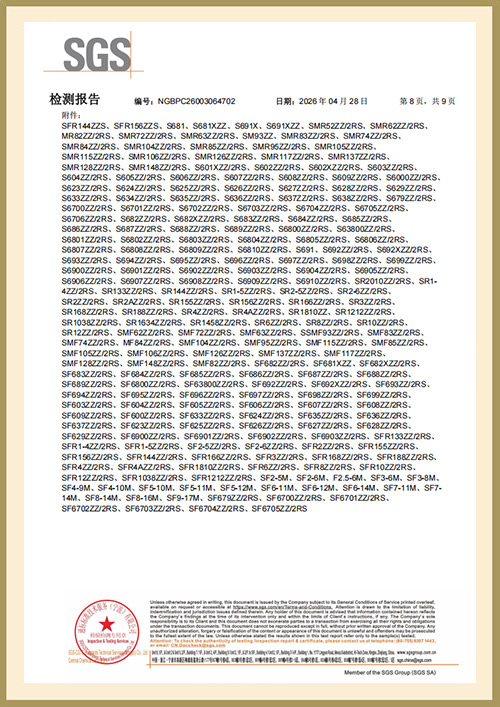
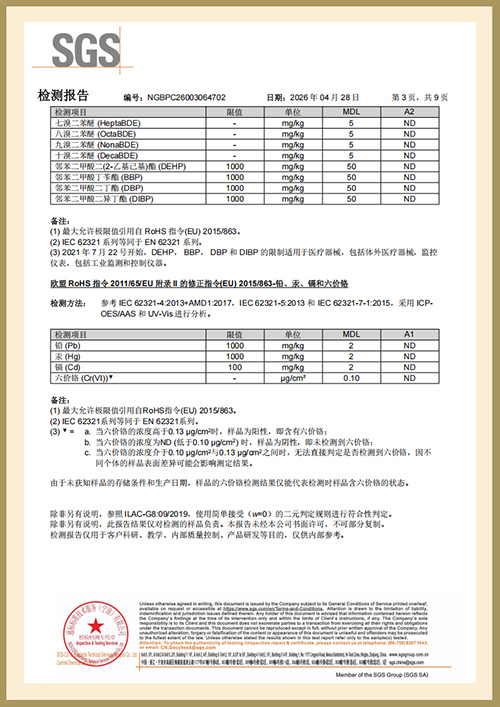
As a National High-Tech Enterprise, Yinghong holds multiple invention and utility model patents and has obtained internationally recognized certifications including IATF 16949, RoHS, CE, and SGS. These certifications enable us to meet diverse customer requirements and provide effective solutions for demanding applications and complex technical challenges.
We specialize in the production of high-precision deep groove ball bearings and custom non-standard bearings under our registered trademark, “YHU”. Our main products include bearing steel bearings, stainless steel bearings, ceramic bearings, and plastic bearings.
YHU bearings are designed to deliver low noise, low vibration, low friction, high precision, great sealing performance, and high-speed operation. They also offer self-lubrication, corrosion resistance, rust resistance, acid and alkali resistance, chemical resistance, electrical insulation, non-magnetic properties, high-temperature resistance, low-temperature adaptability, and long service life, making them suitable for demanding operating environments.
Our bearings and bearing assemblies are widely used in electric motors, power tools, pneumatic tools, robotics, drones, household appliances, precision instruments, semiconductor equipment, medical devices, marine equipment, aerospace applications, financial equipment, textile machinery, fishing equipment, and a wide range of specialized industrial equipment.
Honor
-
 SGS Test Report
-
 SGS Test Report
-
 SGS Test Report
-
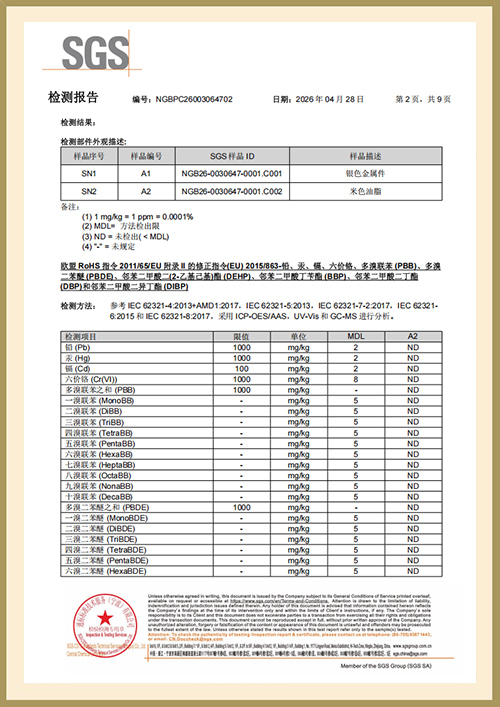 SGS Test Report
-
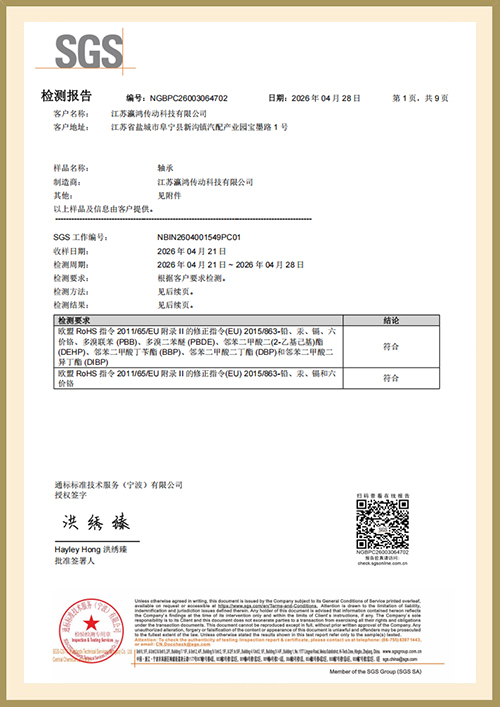 SGS Test Report
News
-
Industry News 2026-11-20
Construction Defines the Difference A full ceramic bearing uses ceramic rolling elements and ceramic raceways. The balls and the inner and ...
View More -
Industry News 2026-11-13
Ceramic vs Steel Bearings: The Practical Differences That Drive Selection Ceramic bearings and steel bearings differ most clearly in mass, ...
View More -
Industry News 2026-11-06
Start With the Three Numbers: Bore, Outer Diameter, and Width The right miniature ball bearing size begins with three measurements, not wit...
View More -
Industry News 2026-10-30
Miniature Ball Bearings at a Glance A miniature ball bearing is a rolling-element bearing with an outside diameter of 26 mm or less, and bo...
View More -
Industry News 2026-10-23
Stainless Steel Bearings: More Than Just Rust Protection Stainless steel bearings are often chosen for their ability to resist moisture and...
View More
Contact us now

Professional Manufacturer of Precision Bearings
- Contact Information
-
-
+86 162 6918 9999 +86 136 1619 2555

-
+86 153 0641 4247

-
jeffrey@yhu1988.com

rose@yhu1988.com -
Yinghong Industrial Park, Zexin Avenue, Xingou Auto Parts Industrial Park, Funing County, Yancheng City, Jiangsu Province, China

-
- QR Code
Copyright ©
Jiangsu Yinghong Transmission Technology Co., Ltd.
All Rights Reserved.
OEM/ODM 68 Series Miniature Deep Groove Ball Bearings Factory

