


 English
  русский
  Español
  عربى
عربى  日本語
日本語 
 Home / Products / Deep Groove Ball Bearings / Bearing Steel Bearings / Metric Miniature Series / 60 Series Miniature Deep Groove Ball Bearings
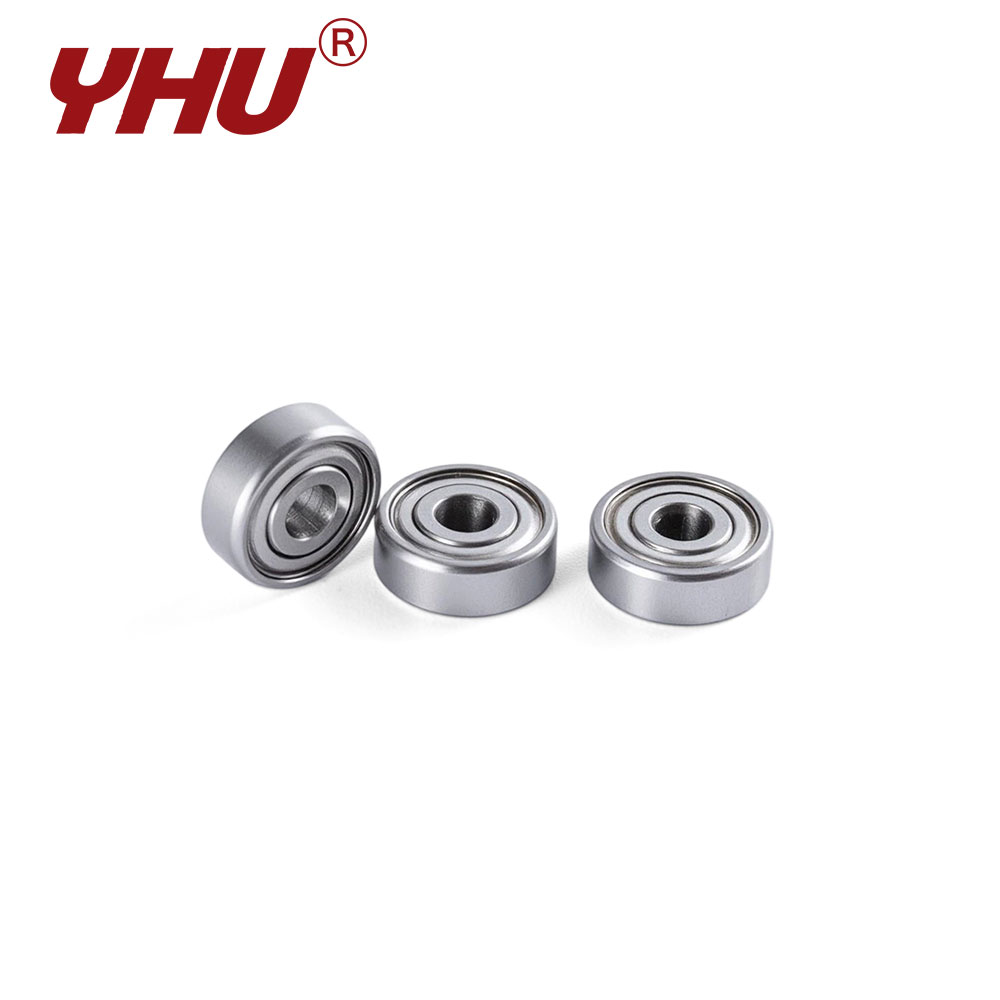
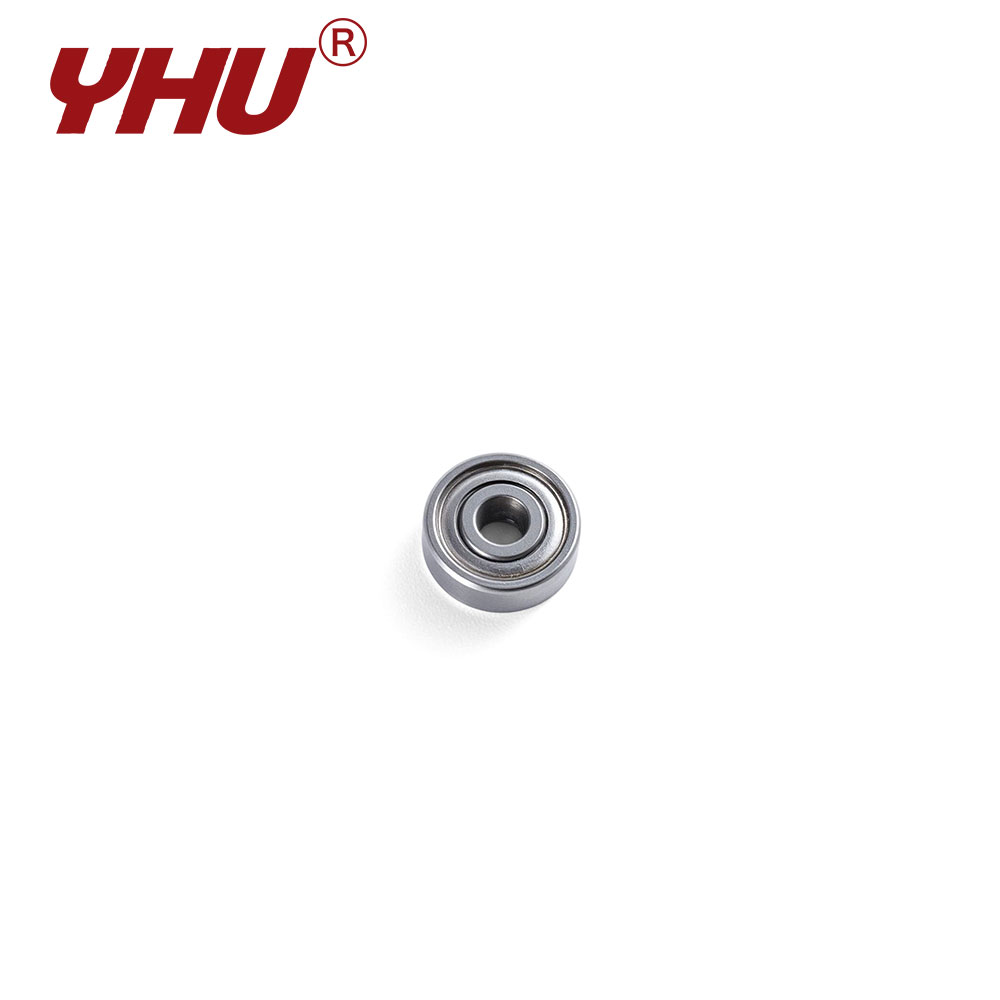
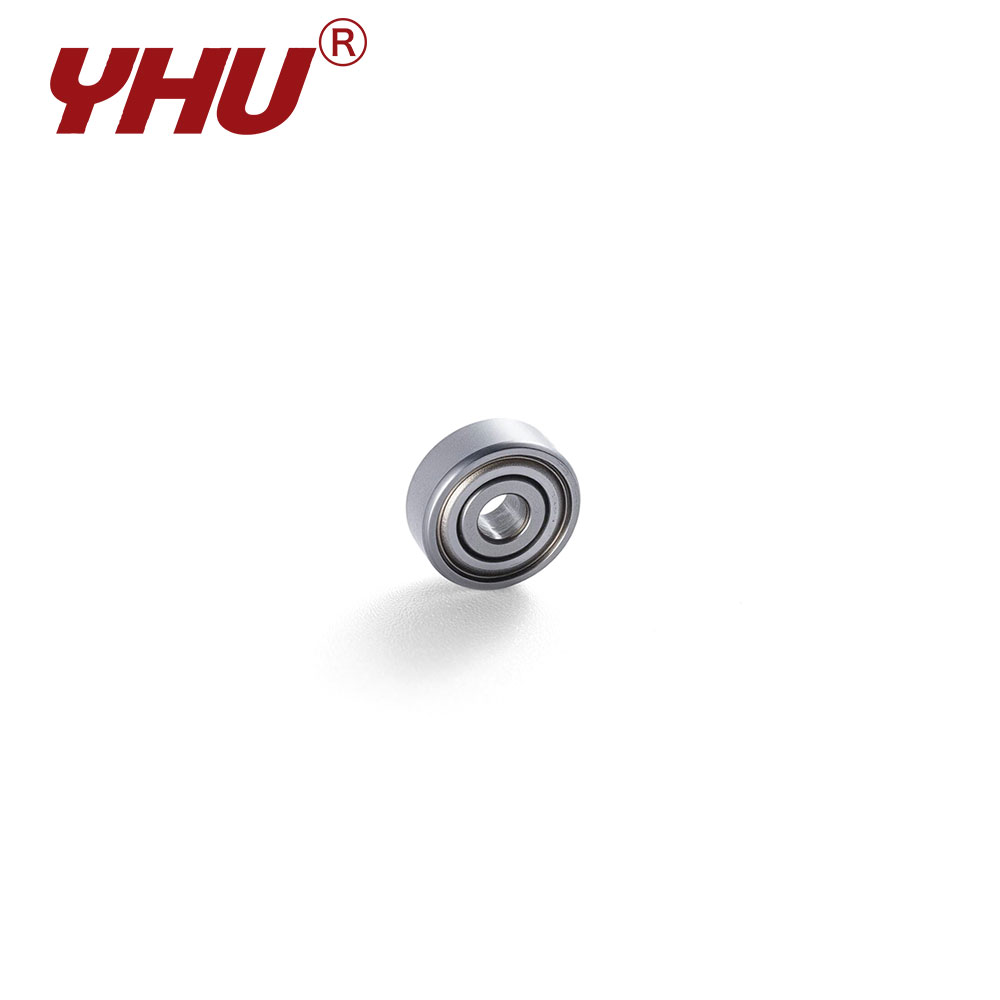
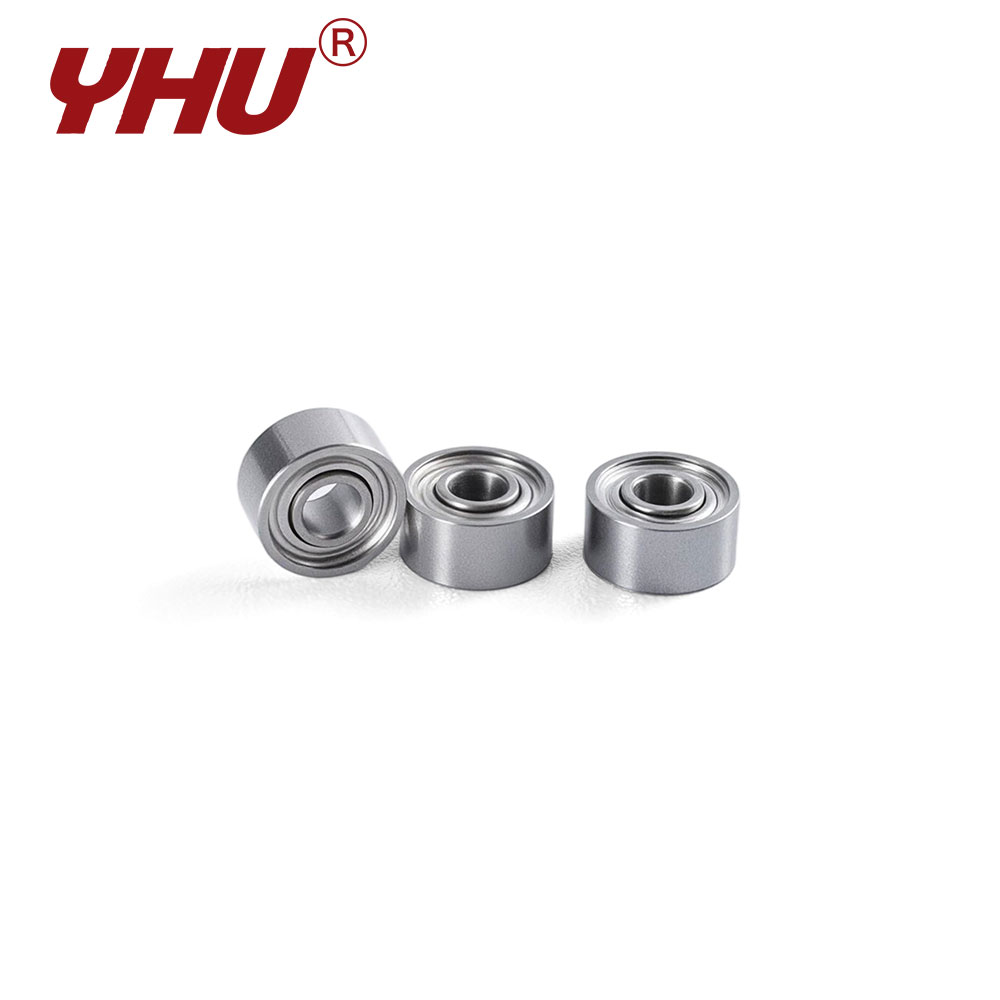
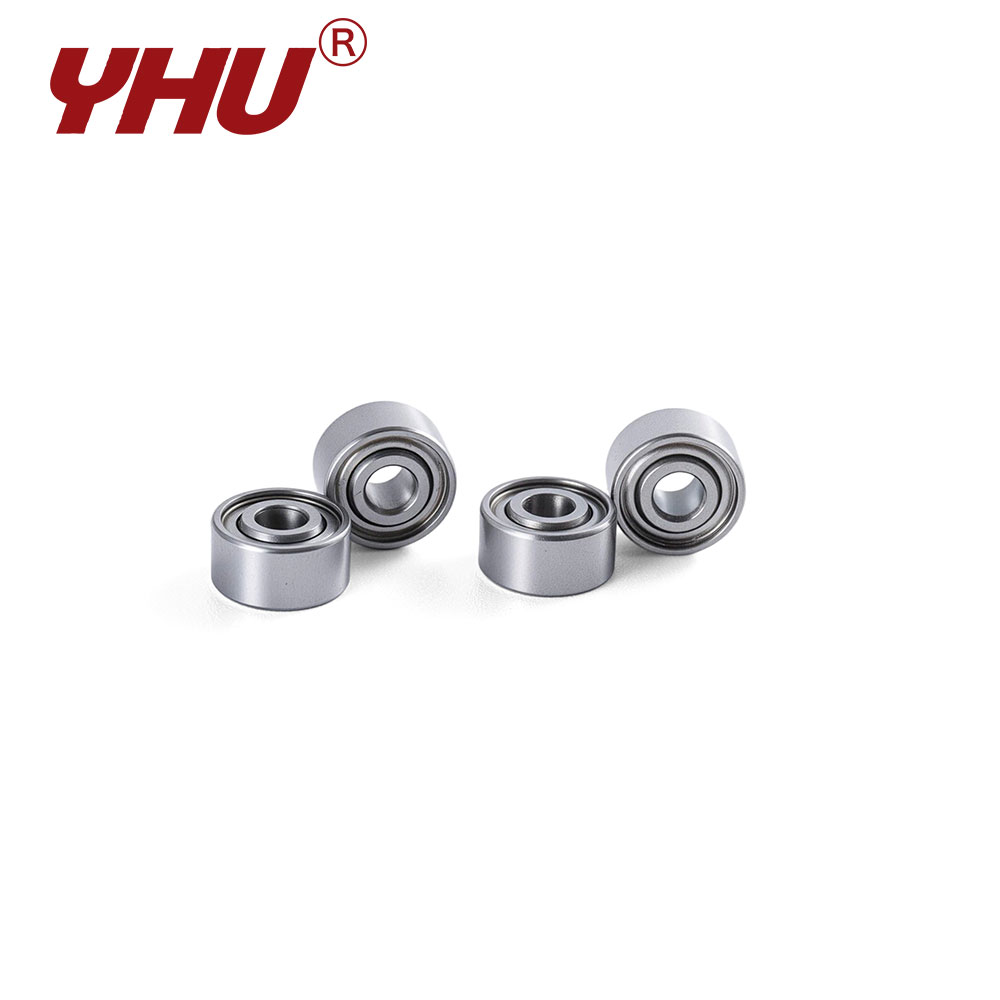
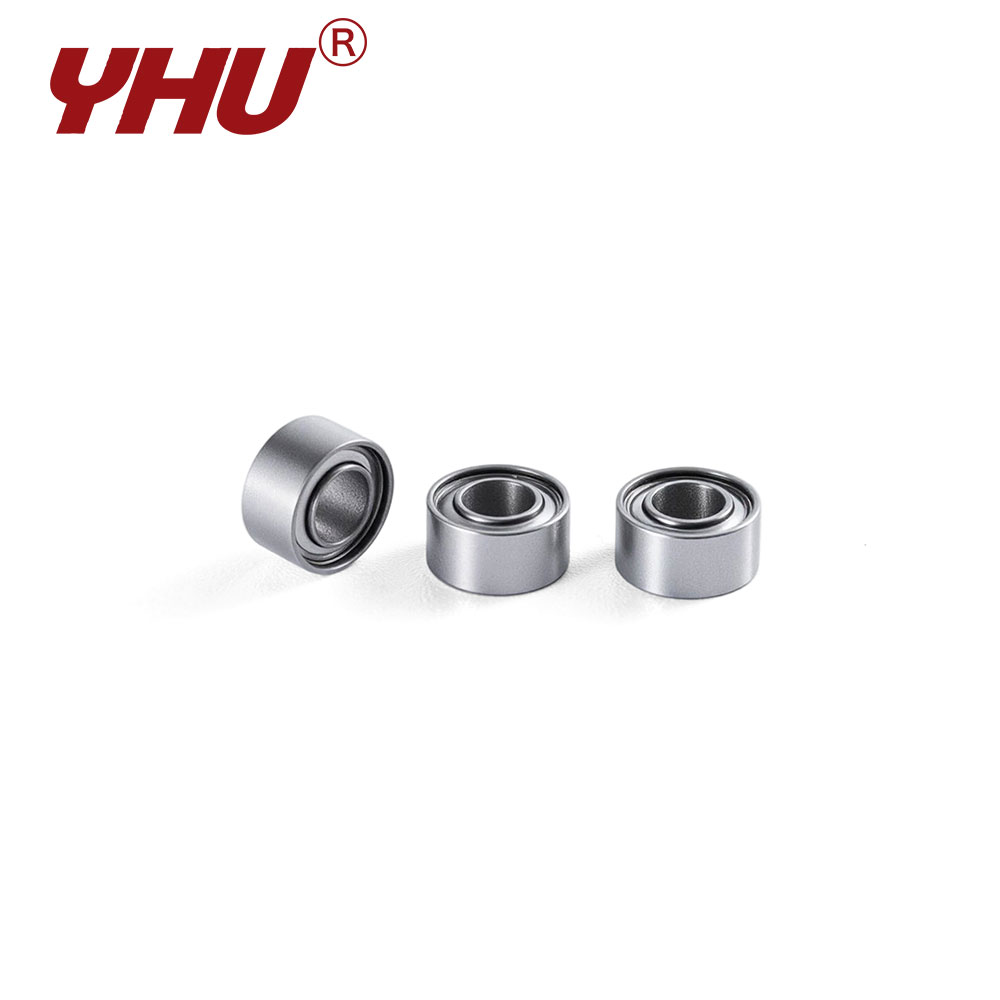
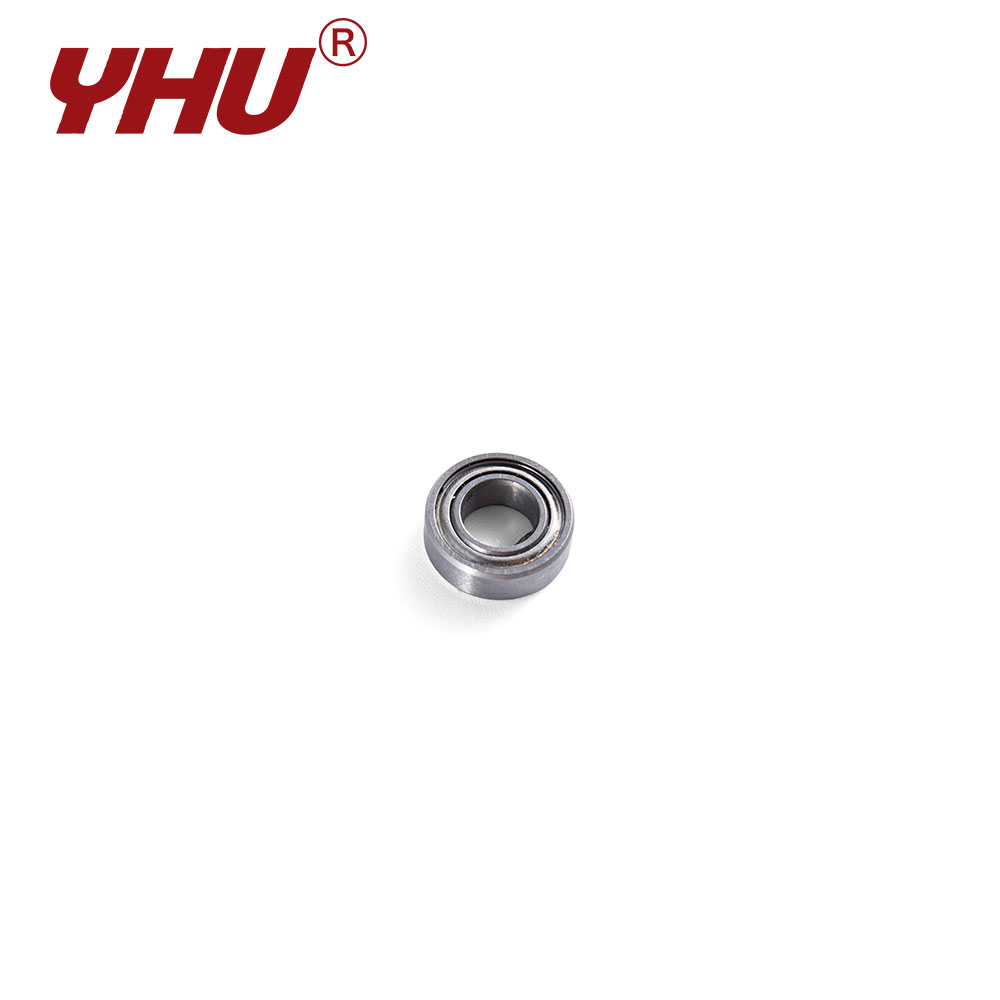
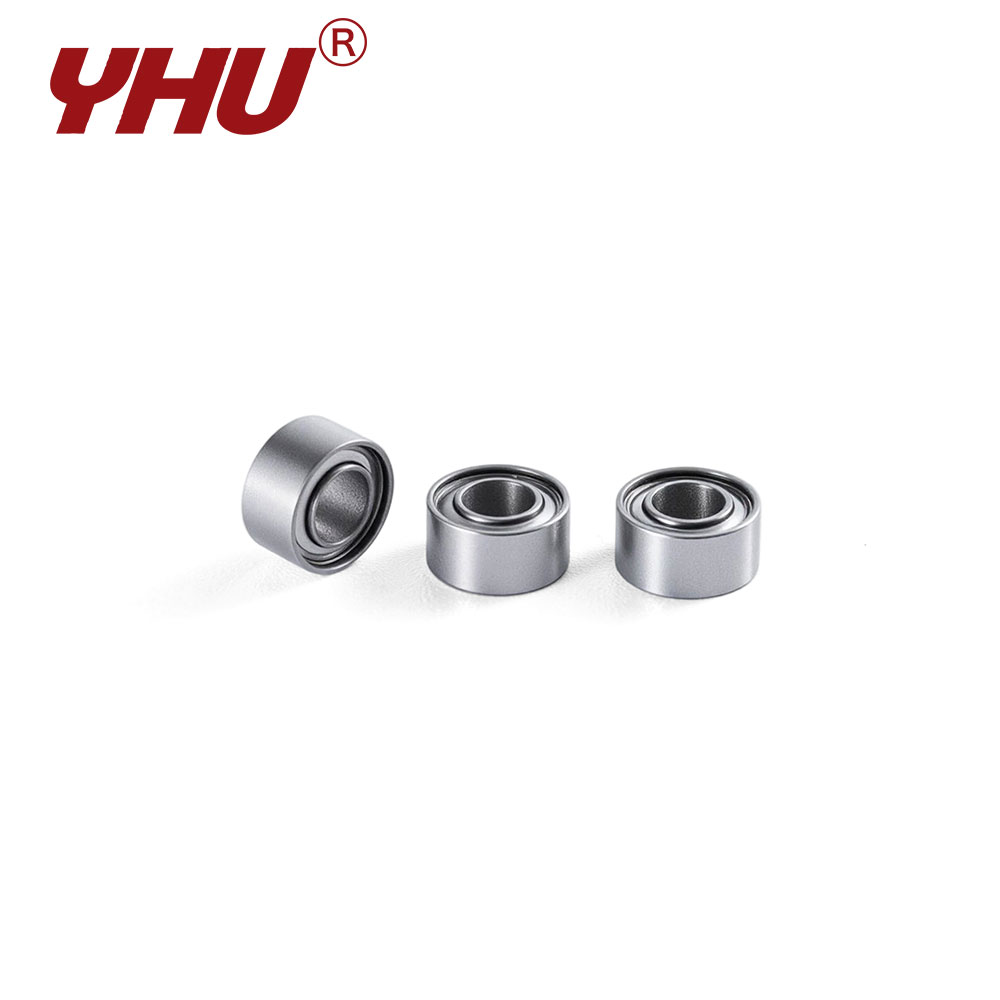
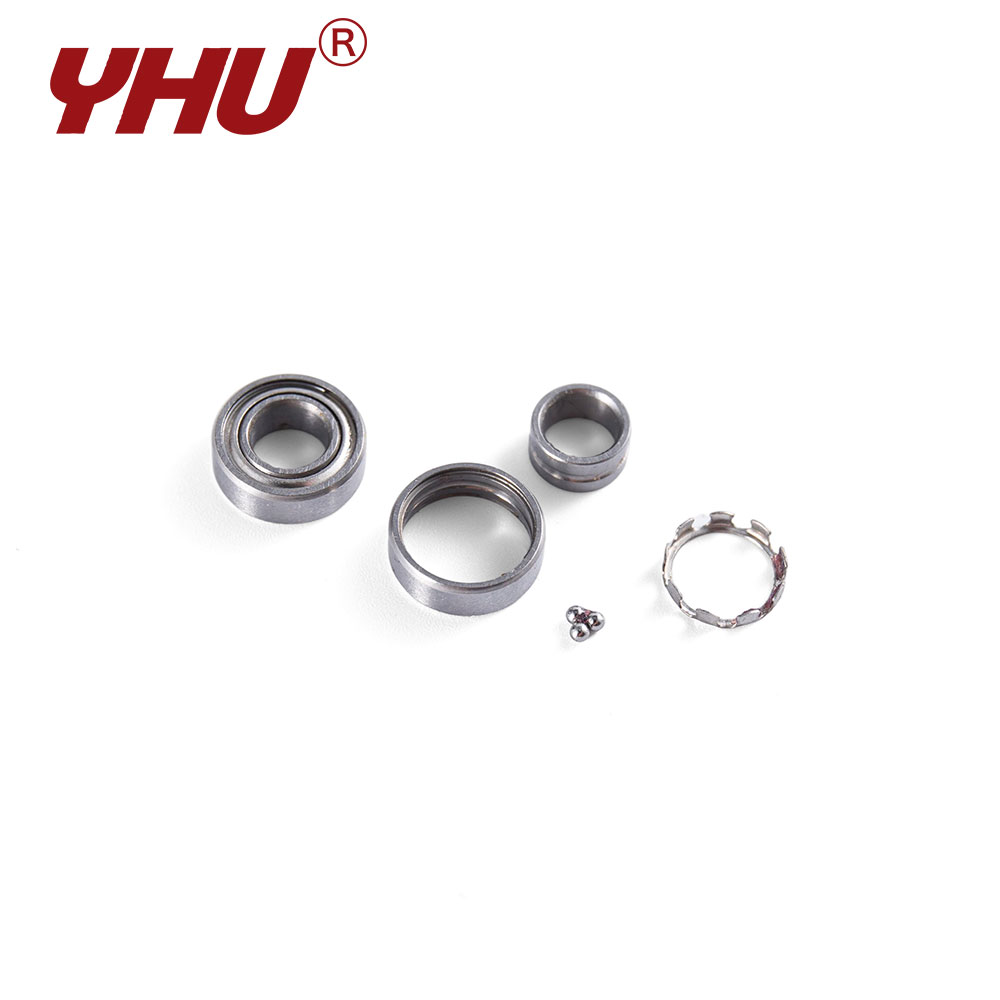
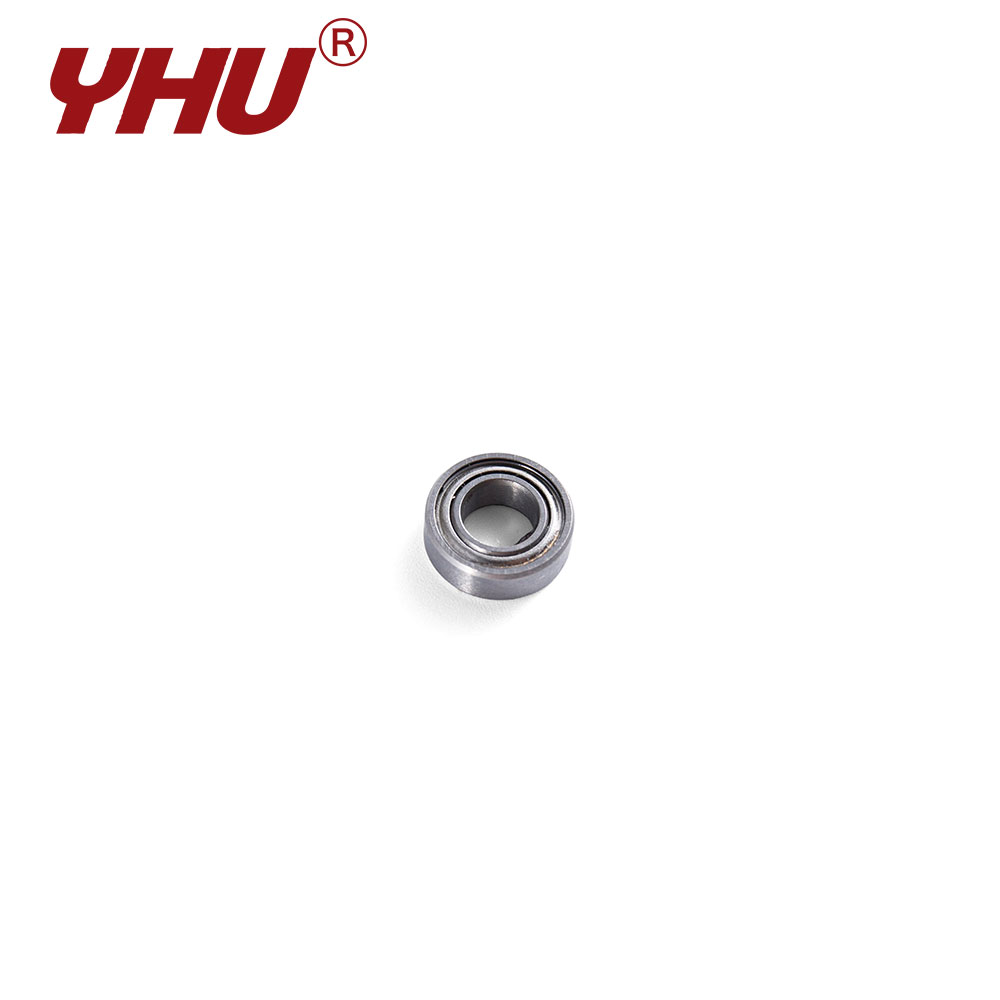
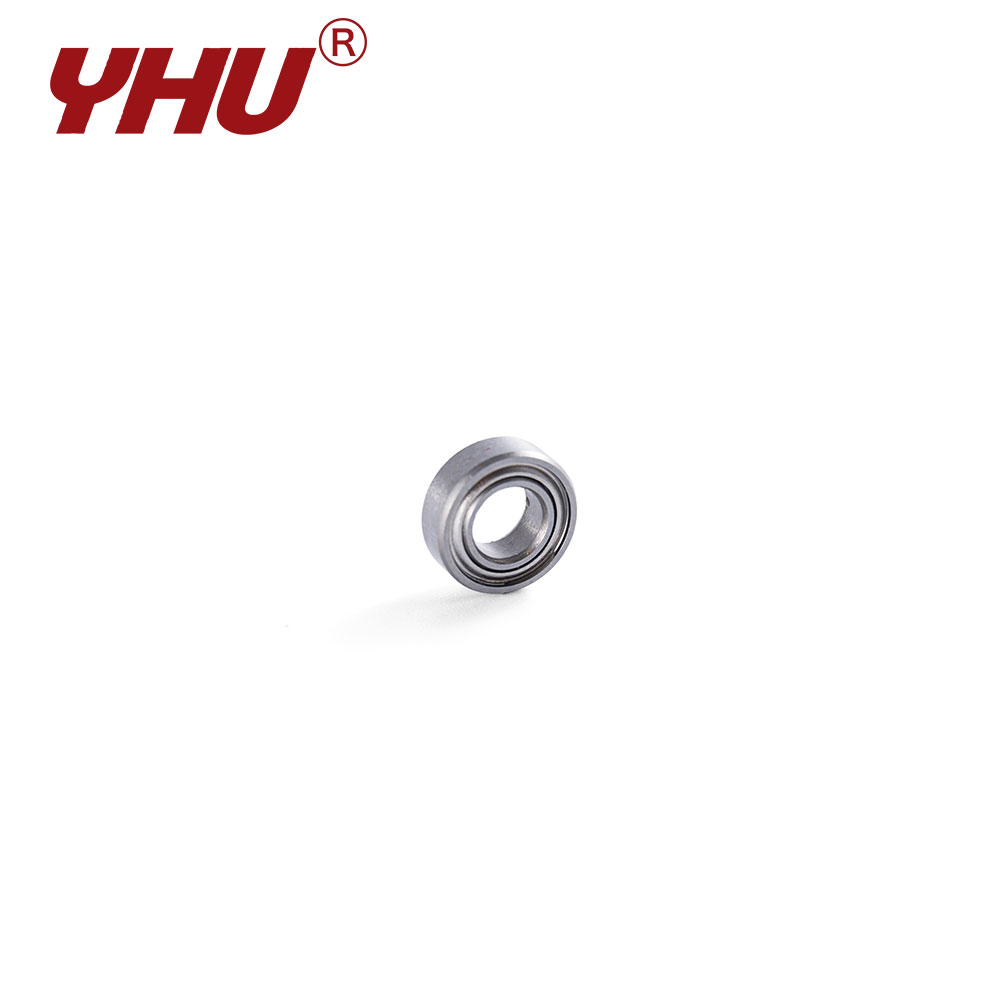
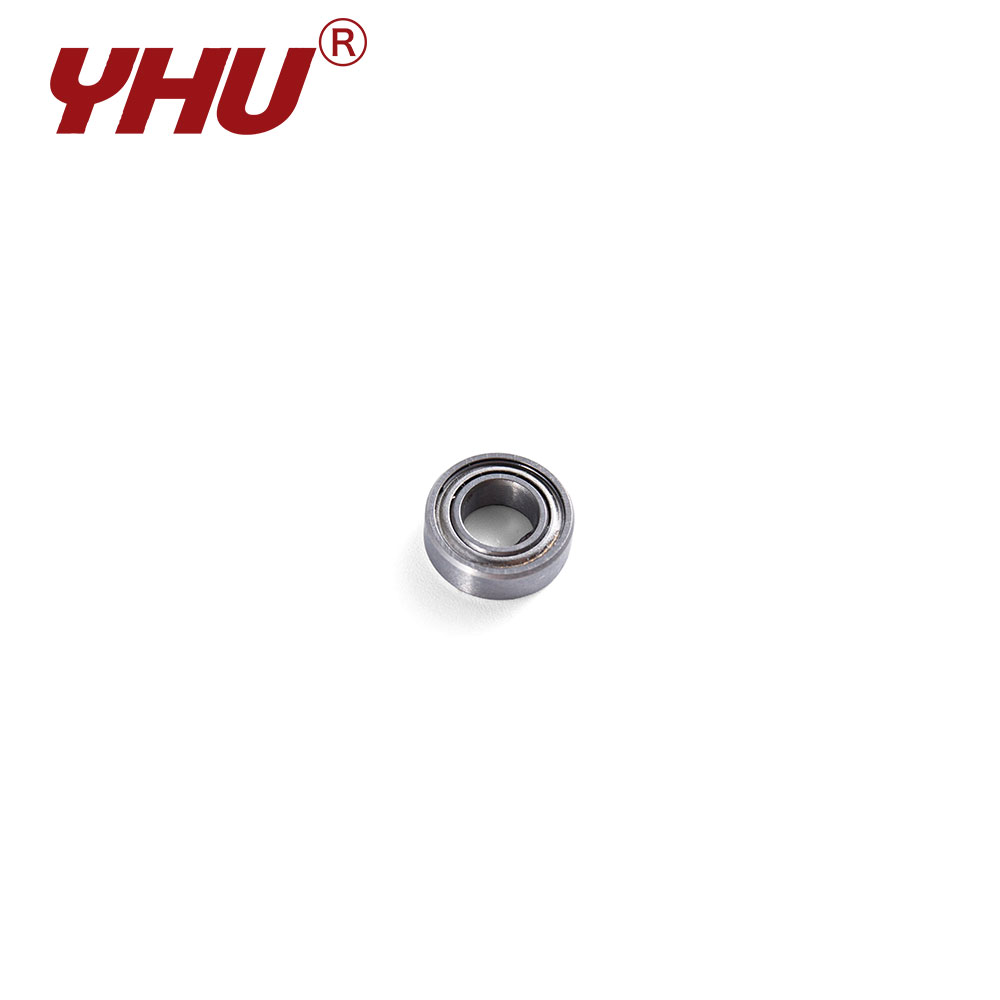
60 Series Miniature Deep Groove Ball Bearings
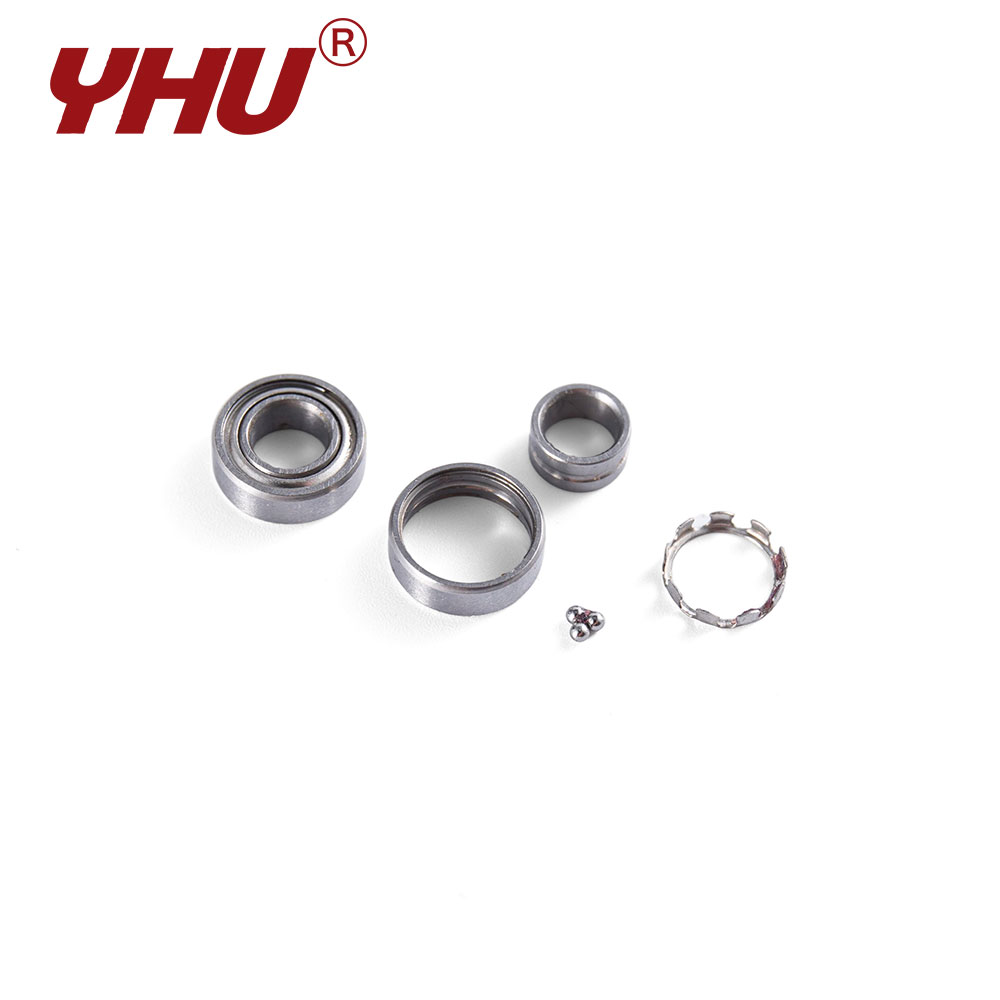
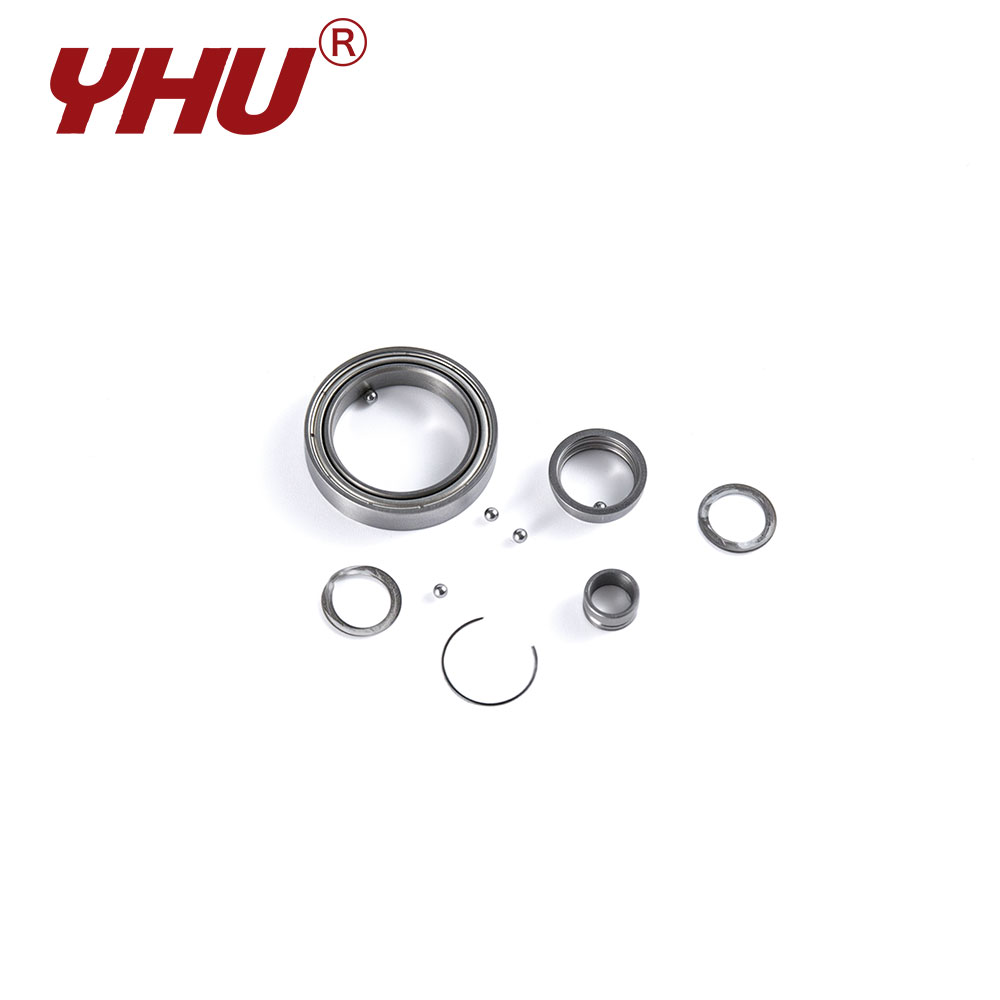
This series of bearings has garnered widespread acclaim from users for its balanced performance metrics and broad applicability. As a standard precision component, it achieves a great proportional balance among its inner diameter, outer diameter, and thickness—thereby ensuring both sufficient structural strength and exceptional performance at high speeds. By using high-quality manufacturing materials and precision assembly processes, this bearing series meets the stringent rotational accuracy requirements of a wide range of general-purpose precision machinery.

Bearing Features
In terms of technical performance, the rotational speed capabilities of this series are particularly outstanding. To achieve such high speeds, the bearings underwent micron-level optimization of their raceway roughness and ball sphericity during the R&D phase, with the specific aim of minimizing operational resistance. This characteristic results in minimal temperature rise during operation, thereby effectively safeguarding surrounding plastic components and precision electronic devices.
This series finds extensive application in computer peripherals, office automation equipment, micro-motors, and fishing tackle. In office equipment, its low-noise characteristics contribute to creating a quiet working environment; conversely, in outdoor gear such as fishing tackle, its dust-resistant and corrosion-resistant design ensures that performance remains as smooth as ever, even in challenging environmental conditions.
Technical Specifications
| Bearing Reference | Boundary Diameters | Basic Dynamic | Basic Static | Limiting Speeds | ||||||||||
| Flange | Open | Shield | d mm |
D mm |
Df mm |
B mm |
Bf mm |
B1 mm |
Bf1 mm |
rsmin mm |
Cr(kN) | Cor(kN) | Grease | Oil |
| F | 602 | ZZ | 2 | 7 | 8.5 | 2.8 | 0.7 | 3.5 | 0.9 | 0.15 | 0.382 | 0.127 | 7.3 | 8.2 |
| F | 603 | ZZ | 3 | 9 | 10.5 | 3 | 0.7 | 5 | 1 | 0.15 | 0.568 | 0.186 | 5.5 | 6.2 |
| F | 604 | ZZ | 4 | 12 | 13.5 | 4 | 1 | 4 | 1 | 0.2 | 0.96 | 0.353 | 4.1 | 4.6 |
| F | 605 | ZZ | 5 | 14 | 16 | 5 | 1 | 5 | 1 | 0.2 | 1.33 | 0.51 | 3.5 | 3.9 |
| F | 606 | ZZ | 6 | 17 | 19 | 6 | 1.2 | 6 | 1.2 | 0.3 | 2.26 | 0.843 | 2.9 | 3.2 |
| F | 607 | ZZ | 7 | 19 | 22 | 6 | 1.5 | 6 | 1.5 | 0.3 | 2.33 | 0.892 | 2.5 | 2.8 |
| F | 608 | ZZ | 8 | 22 | 25 | 7 | 1.5 | 7 | 1.5 | 0.3 | 3.29 | 1.38 | 2.2 | 2.5 |
| F | 609 | ZZ | 9 | 24 | 27 | 7 | 1.5 | 7 | 1.5 | 0.3 | 3.33 | 1.42 | 2 | 2.2 |
About Us
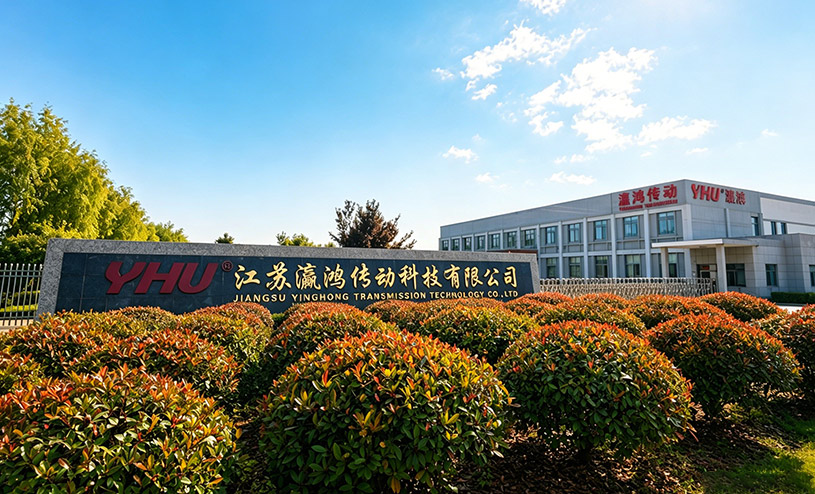
Jiangsu Yinghong Transmission Technology Co., Ltd. (YHU) was established in 2024 through the joint investment of Dongguan Yinghong, Linqing Boshuo, and Yancheng Jiwei. As China 60 Series Miniature Deep Groove Ball Bearings Suppliers and Custom 60 Series Miniature Deep Groove Ball Bearings Factory, specializing in the research, development, manufacturing, and service of transmission products, we leverage extensive industry experience and strong technical expertise to provide reliable, energy-efficient transmission solutions for customers worldwide.
The company covers more than 70 mu of land and operates nearly 10,000 square meters of manufacturing facilities. As a professional manufacturer of precision special bearings in China, we have introduced advanced Japanese precision manufacturing technology and equipped our facility with automated production lines and high-precision testing equipment. A comprehensive quality management system ensures consistent product quality and reliable performance.
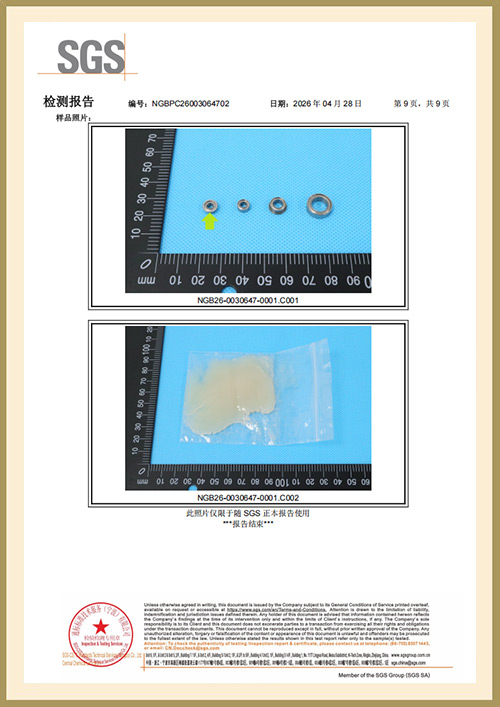
As a National High-Tech Enterprise, Yinghong holds multiple invention and utility model patents and has obtained internationally recognized certifications including IATF 16949, RoHS, CE, and SGS. These certifications enable us to meet diverse customer requirements and provide effective solutions for demanding applications and complex technical challenges.
We specialize in the production of high-precision deep groove ball bearings and custom non-standard bearings under our registered trademark, “YHU”. Our main products include bearing steel bearings, stainless steel bearings, ceramic bearings, and plastic bearings.
YHU bearings are designed to deliver low noise, low vibration, low friction, high precision, great sealing performance, and high-speed operation. They also offer self-lubrication, corrosion resistance, rust resistance, acid and alkali resistance, chemical resistance, electrical insulation, non-magnetic properties, high-temperature resistance, low-temperature adaptability, and long service life, making them suitable for demanding operating environments.
Our bearings and bearing assemblies are widely used in electric motors, power tools, pneumatic tools, robotics, drones, household appliances, precision instruments, semiconductor equipment, medical devices, marine equipment, aerospace applications, financial equipment, textile machinery, fishing equipment, and a wide range of specialized industrial equipment.
The company covers more than 70 mu of land and operates nearly 10,000 square meters of manufacturing facilities. As a professional manufacturer of precision special bearings in China, we have introduced advanced Japanese precision manufacturing technology and equipped our facility with automated production lines and high-precision testing equipment. A comprehensive quality management system ensures consistent product quality and reliable performance.
As a National High-Tech Enterprise, Yinghong holds multiple invention and utility model patents and has obtained internationally recognized certifications including IATF 16949, RoHS, CE, and SGS. These certifications enable us to meet diverse customer requirements and provide effective solutions for demanding applications and complex technical challenges.
We specialize in the production of high-precision deep groove ball bearings and custom non-standard bearings under our registered trademark, “YHU”. Our main products include bearing steel bearings, stainless steel bearings, ceramic bearings, and plastic bearings.
YHU bearings are designed to deliver low noise, low vibration, low friction, high precision, great sealing performance, and high-speed operation. They also offer self-lubrication, corrosion resistance, rust resistance, acid and alkali resistance, chemical resistance, electrical insulation, non-magnetic properties, high-temperature resistance, low-temperature adaptability, and long service life, making them suitable for demanding operating environments.
Our bearings and bearing assemblies are widely used in electric motors, power tools, pneumatic tools, robotics, drones, household appliances, precision instruments, semiconductor equipment, medical devices, marine equipment, aerospace applications, financial equipment, textile machinery, fishing equipment, and a wide range of specialized industrial equipment.
Honor
-
 SGS Test Report
 -
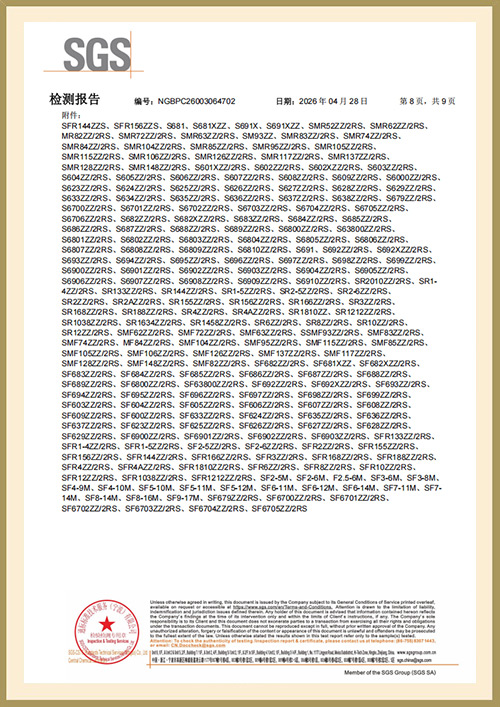 SGS Test Report
 -
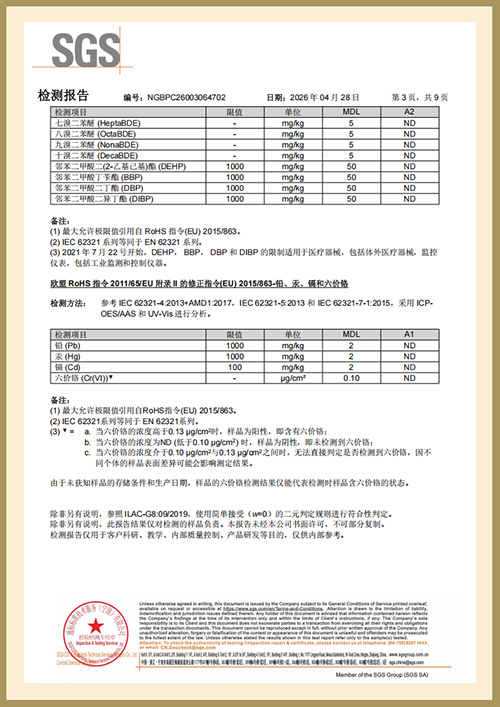 SGS Test Report
 -
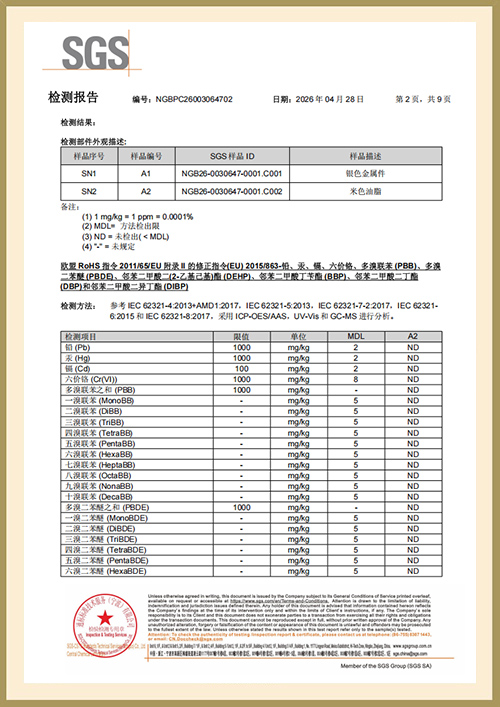 SGS Test Report
 -
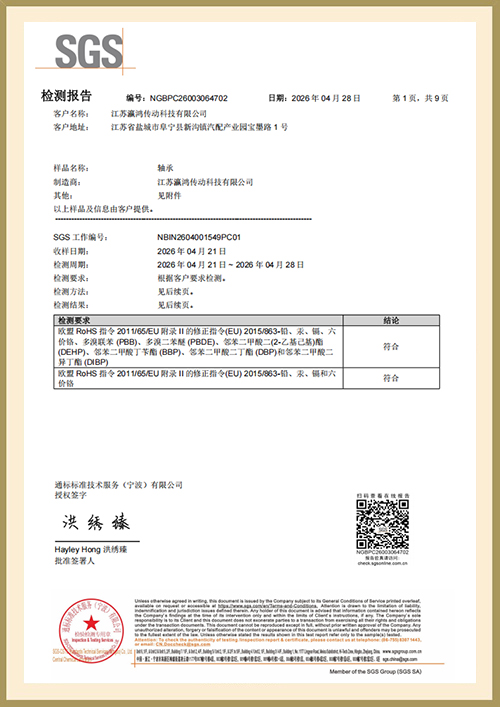 SGS Test Report
News
-
Industry News 2026-09-21
A flange bearing is a housed bearing assembly in which the outer housing carries a machined flange plate drilled with mounting holes. The flange plate allows the unit to be bolted directly onto a mac...
View More -
Industry News 2026-09-21
Most procurement teams comparing stainless steel bearings hold a material comparison sheet. 440C versus 316. Hardness versus corrosion resistance. Magnetic versus non-magnetic. None of that informati...
View More -
Industry News 2026-09-21
Bearing Steel: The Metallurgical Foundation Behind Every Rolling Contact Every rotating assembly in modern machinery depends on a handful of highly engineered contact points. A pump running at 3,600 ...
View More -
Industry News 2026-04-22
Angular contact ball bearings are essential for handling combined loads because their inner and outer raceways are offset along the bearing axis. This built-in contact angle creates a direct, uninter...
View More -
Industry News 2026-04-22
In a special production environment, many stainless steel bearings are equipped with corresponding sealing devices. On the one hand, it keeps the grease (oil) inside the stainless steel bearing from b...
View More -
Industry News 2026-04-22
Under normal circumstances, stainless steel bearings will produce a certain amount of noise during machine operation. However, if the vibration level of stainless steel bearings increases significantl...
View More -
Industry News 2026-04-22
Stainless steel bearings offer numerous advantages not only due to stringent manufacturing processes and precision requirements, but also because of the superior quality of the material itself. When s...
View More
Contact us now

Professional Manufacturer of Precision Bearings
- Contact Information
-
-
+86 162 6918 9999 +86 136 1619 2555

-
+86 153 0641 4247

-
jeffrey@yhu1988.com

rose@yhu1988.com -
Yinghong Industrial Park, Zexin Avenue, Xingou Auto Parts Industrial Park, Funing County, Yancheng City, Jiangsu Province, China

-
- QR Code
Copyright ©
Jiangsu Yinghong Transmission Technology Co., Ltd.
All Rights Reserved.
OEM/ODM 60 Series Miniature Deep Groove Ball Bearings Factory

