


 English
  русский
  Español
  عربى
عربى  日本語
日本語 

Thin-Section Series Bearing Steel Bearings Manufacturers
About Us
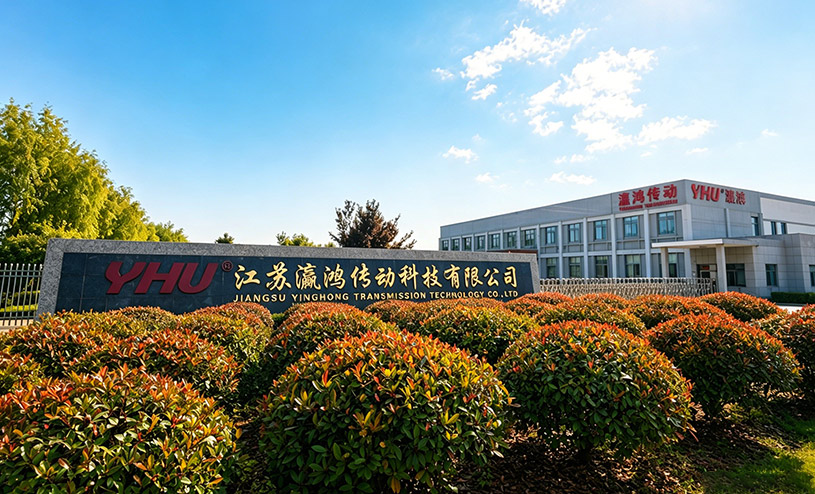
The company covers more than 70 mu of land and operates nearly 10,000 square meters of manufacturing facilities. As a professional manufacturer of precision special bearings in China, we have introduced advanced Japanese precision manufacturing technology and equipped our facility with automated production lines and high-precision testing equipment. A comprehensive quality management system ensures consistent product quality and reliable performance.
As a National High-Tech Enterprise, Yinghong holds multiple invention and utility model patents and has obtained internationally recognized certifications including IATF 16949, RoHS, CE, and SGS. These certifications enable us to meet diverse customer requirements and provide effective solutions for demanding applications and complex technical challenges.
We specialize in the production of high-precision deep groove ball bearings and custom non-standard bearings under our registered trademark, “YHU”. Our main products include bearing steel bearings, stainless steel bearings, ceramic bearings, and plastic bearings.
YHU bearings are designed to deliver low noise, low vibration, low friction, high precision, great sealing performance, and high-speed operation. They also offer self-lubrication, corrosion resistance, rust resistance, acid and alkali resistance, chemical resistance, electrical insulation, non-magnetic properties, high-temperature resistance, low-temperature adaptability, and long service life, making them suitable for demanding operating environments.
As professional China Thin-Section Series Bearing Steel Bearings Manufacturers and Wholesale Thin-Section Series Bearing Steel Bearings Factory, our bearings and bearing assemblies are widely used in electric motors, power tools, pneumatic tools, robotics, drones, household appliances, precision instruments, semiconductor equipment, medical devices, marine equipment, aerospace applications, financial equipment, textile machinery, fishing equipment, and a wide range of specialized industrial equipment.
Honor
-
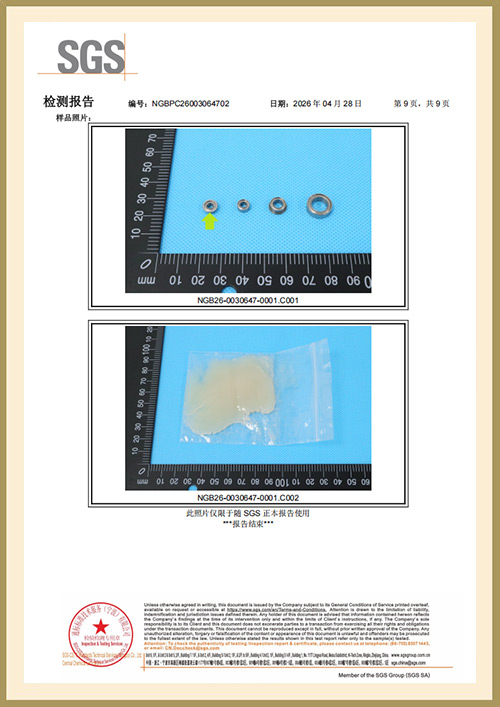 SGS Test Report
 -
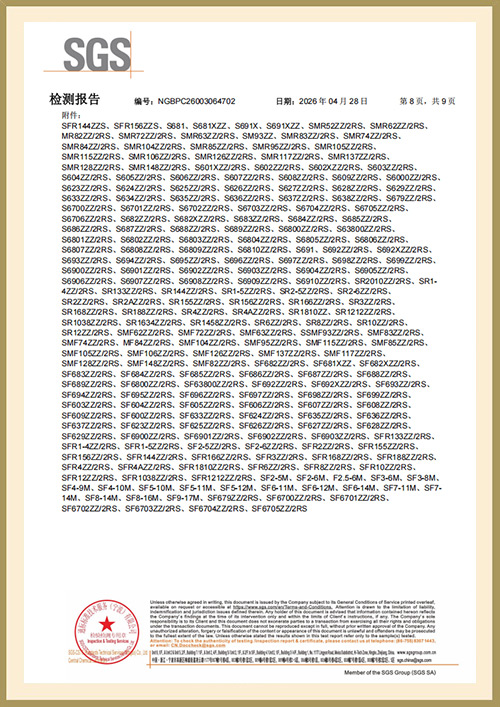 SGS Test Report
 -
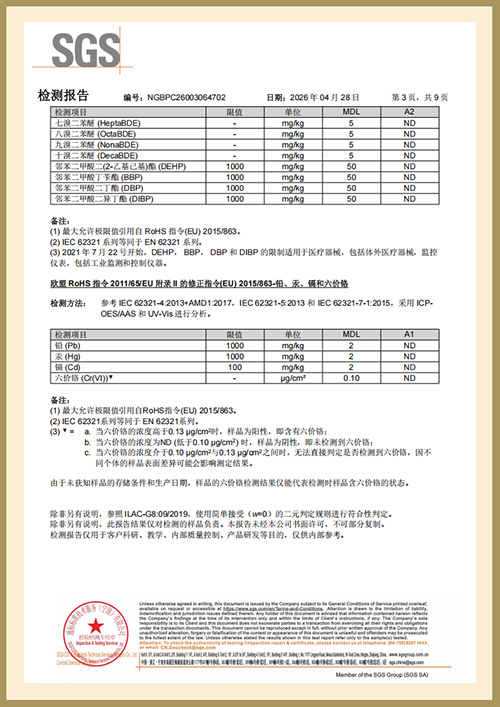 SGS Test Report
 -
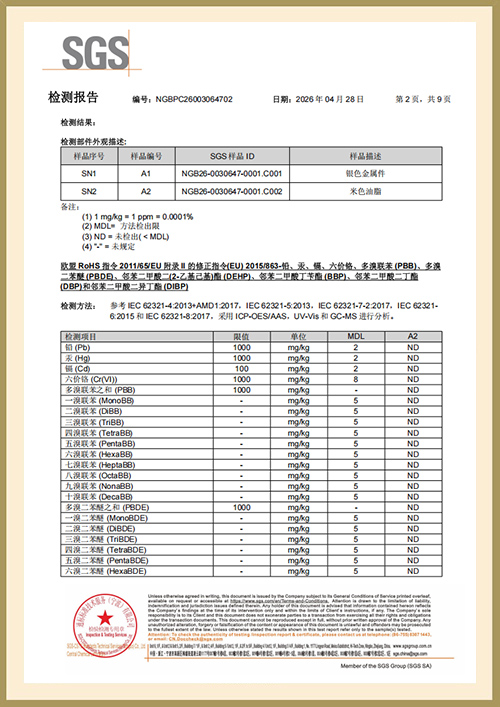 SGS Test Report
 -
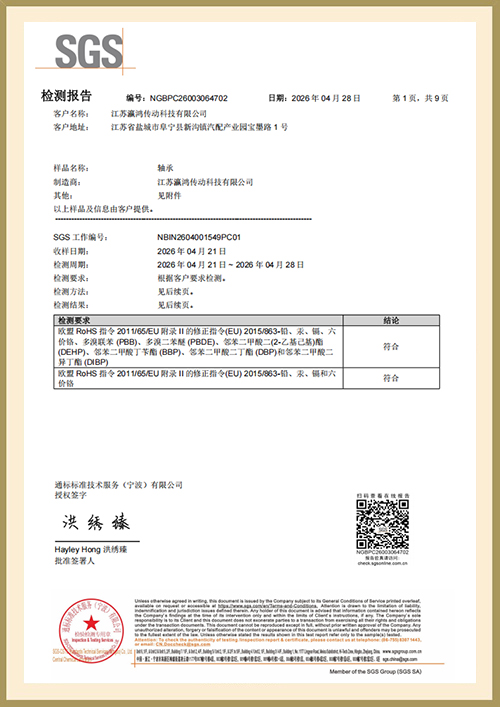 SGS Test Report
News
-
Industry News 2026-09-21
A flange bearing is a housed bearing assembly in which the outer housing carries a machined flange plate drilled with mounting holes. The flange plate allows the unit to be bolted directly onto a mac...
View More -
Industry News 2026-09-21
Most procurement teams comparing stainless steel bearings hold a material comparison sheet. 440C versus 316. Hardness versus corrosion resistance. Magnetic versus non-magnetic. None of that informati...
View More -
Industry News 2026-09-21
Bearing Steel: The Metallurgical Foundation Behind Every Rolling Contact Every rotating assembly in modern machinery depends on a handful of highly engineered contact points. A pump running at 3,600 ...
View More -
Industry News 2026-04-22
Angular contact ball bearings are essential for handling combined loads because their inner and outer raceways are offset along the bearing axis. This built-in contact angle creates a direct, uninter...
View More -
Industry News 2026-04-22
In a special production environment, many stainless steel bearings are equipped with corresponding sealing devices. On the one hand, it keeps the grease (oil) inside the stainless steel bearing from b...
View More -
Industry News 2026-04-22
Under normal circumstances, stainless steel bearings will produce a certain amount of noise during machine operation. However, if the vibration level of stainless steel bearings increases significantl...
View More
Contact us now
Industry Knowledge Extension
Thin-Section Series: Compact Deep Groove Bearings from a Specialist Factory
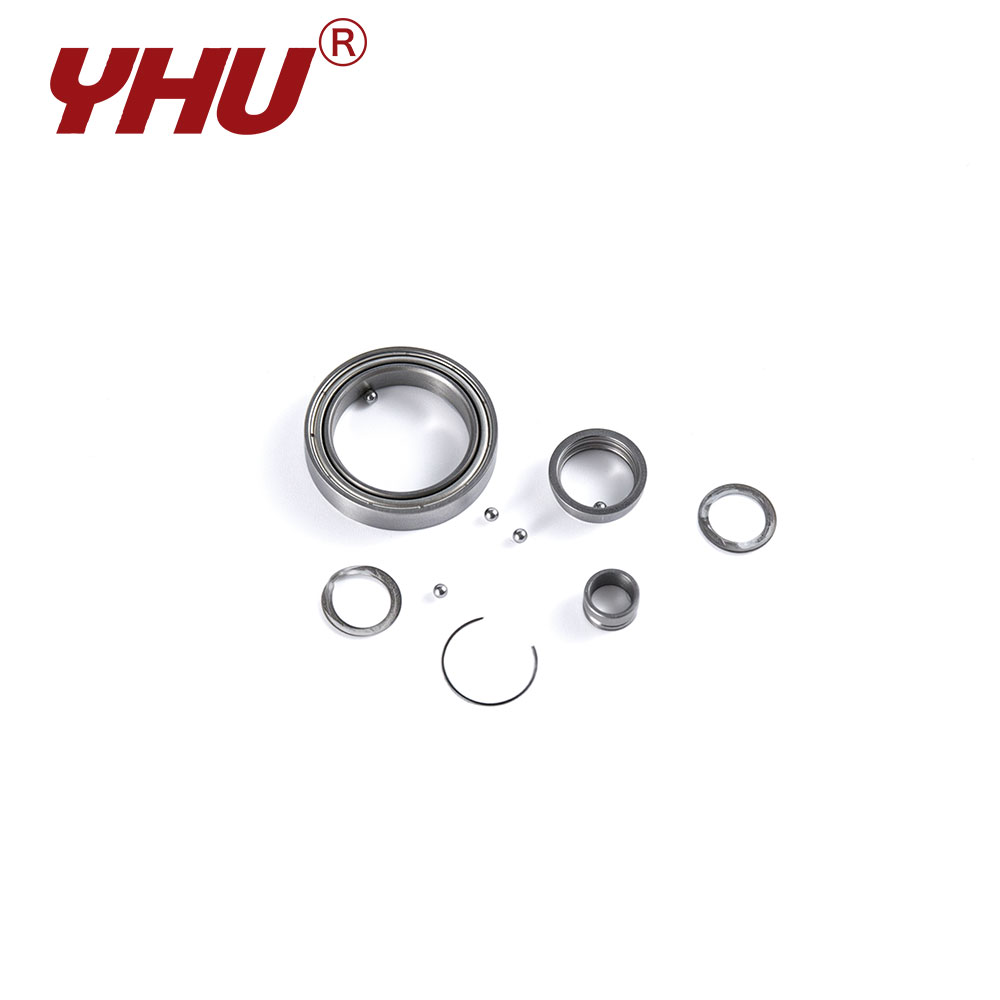
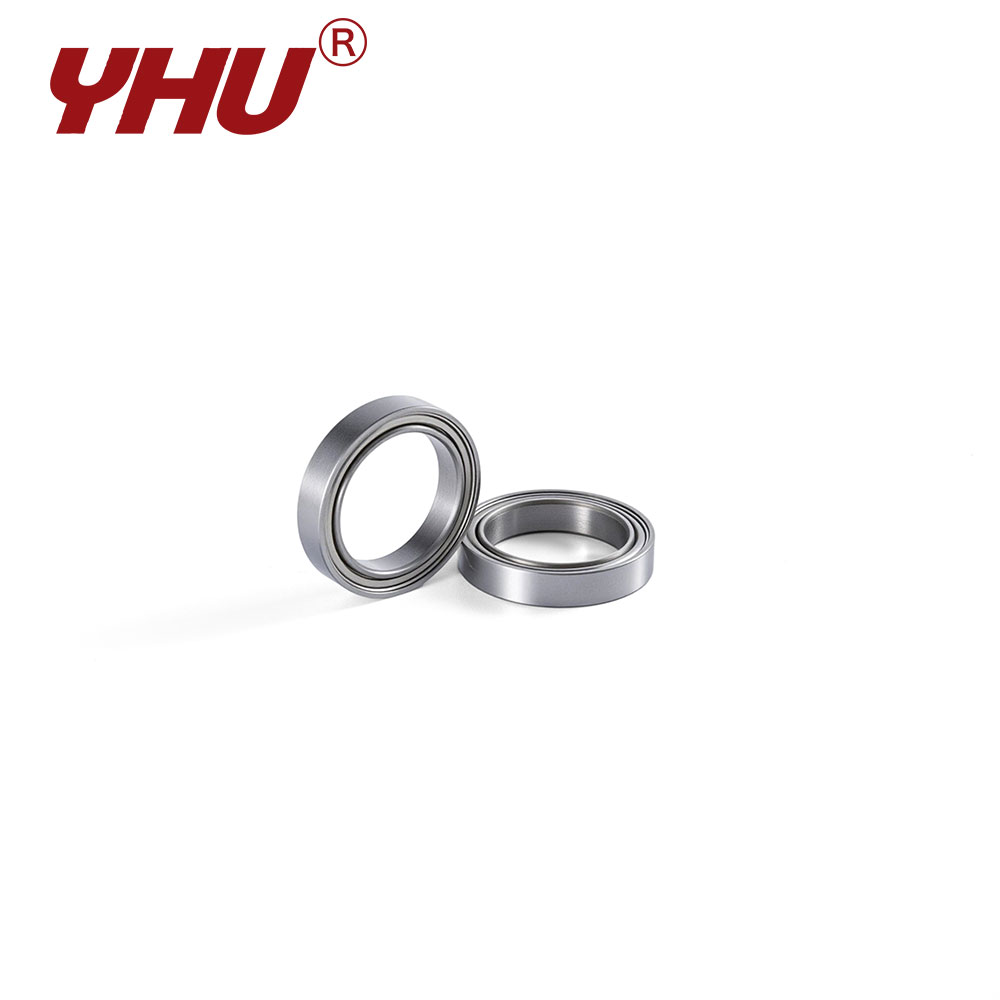
Jiangsu Yinghong Transmission Technology Co., Ltd. (YHU) manufactures the Thin-Section Series as an in-house family of bearing steel deep groove ball bearings for compact rotating assemblies where envelope height, weight and low running torque are as important as load capacity. We produce 67, 68, 69 and F69 thin-wall configurations on automated production lines, using Japanese precision manufacturing technology and our own quality control system.
As the Wholesale Thin-Section Series Bearing Steel Bearings Factory, we integrate these products into the wider Bearing Steel Bearings and Deep Groove Ball Bearings ranges. The series supports electric motors, power tools, robotic joints, drones, semiconductor equipment, medical devices, precision instruments, textile machinery and industrial automation.
Range and Application Fit
All Thin-Section Series variants share the same deep groove raceway principle. Each cross-section is a different compromise between envelope, ring stability and load capacity.
| Series | Design emphasis | Typical application fit |
|---|---|---|
| 67 Series | Very narrow radial section and low ring mass | Tight housing bores and instrument drives with low-to-moderate radial load |
| 68 Series | Slim cross-section with enough ring section for stable mounting | Compact shafts, small pulleys, encoders and precision gear trains |
| 69 Series | Compact outside diameter combined with a larger ball set | Micro motors, power tools, pumps and automation components |
| F69 Series | Thin-wall raceway with an integral flange on the outer ring | Axial location without separate shoulders and easier press-fit assembly |
Because the rings are comparatively thin, control of bore, outside diameter and raceway geometry is critical. We use bearing steel rings with a hardened, wear-resistant raceway and select the ball complement and internal clearance according to the duty profile.
Process Fit and Operating Limits
Thin-section deep groove ball bearings carry radial loads and moderate axial loads in both directions. The starting point is the available envelope; the final design is determined by speed, temperature, lubrication and the precision class of the equipment.
- Electric motors and micro motors: low vibration and quiet running are the primary selection drivers.
- Robotics and drones: the 67 and 68 series reduce mass and envelope at joint and actuator positions.
- Power tools and micro pumps: the 69 configuration provides a larger ball set for higher load capacity in a compact package.
- Medical and semiconductor equipment: stable torque, cleanliness and repeatable running quality take priority.
- Precision instruments: low friction and controlled radial clearance maintain positioning accuracy.
Bearing steel is appropriate for oil- or grease-lubricated applications with stable temperature and no washdown chemicals. If the duty is dominated by corrosion or aggressive media, our stainless steel bearing series is the relevant material family.
Critical Specifications, Accuracy and Repeatability
We configure each proposal around the operating working point rather than simply matching a part number. The following variables define the bearing design and the acceptance test:
- Bore, outside diameter and width: the installation envelope and interchangeability with standard or drawn non-standard dimensions.
- Radial internal clearance: matched to shaft/housing fits, temperature rise and speed.
- Ball complement and cage: selected for load capacity, speed capability and noise behavior.
- Seal or shield arrangement: chosen according to contamination level, lubrication retention and friction torque.
- Tolerance class and runout: defined by the precision class required at the equipment spindle or drive train.
Our factory uses automated production lines and high-precision inspection equipment to maintain repeatable geometry across serial production. For a larger batch, we agree the testing level and reporting format before production so that the delivered lot matches the original sample.
Quality Assurance and Compliance Evidence
YHU operates a closed-loop quality management system covering incoming material, raceway machining, assembly, lubrication and final inspection. We hold IATF 16949, RoHS, CE and SGS certifications, and SGS test reports are maintained for product performance data.
- Incoming verification of bearing steel material.
- In-process dimensional control of rings and raceways.
- Noise, vibration and running-quality checks on finished bearings.
- Sealing, grease fill and packaging control for serial lots.
For a non-standard thin-section design, acceptance criteria are agreed in the proposal stage and confirmed on the initial batch before mass production.
Customization and Non-Standard Thin-Section Development
Thin-section projects are often non-standard in bore size, width, flange design or seal arrangement. Our engineering team supports the process from solution design and prototype production to mass delivery and after-sales technical support.
- Adapting 67, 68, 69 or F69 geometry to a different bore, outside diameter or width.
- Selecting cage, grease and seal combinations for a specific speed/temperature range.
- Developing a completely non-standard thin-wall ring profile from customer drawings or samples.
- Providing failure analysis and bearing design optimization when an existing bearing is limiting equipment life.
Because the thin section leaves little room for over-design, our engineers confirm the load and speed values before proposing a configuration.
Information We Use to Configure Your Solution
The quotation and configuration are prepared from project data, not just a bearing size. The table below shows the information that directly affects the resulting design.
| Project input | How it shapes the proposal |
|---|---|
| Speed, load spectrum and duty cycle | Determines ball size, internal clearance, cage type and tolerance class. |
| Shaft and housing dimensions with fits | Defines bore and outside diameter tolerances plus mounting method. |
| Temperature range and lubrication | Guides grease grade, seal material and clearance adjustment. |
| Noise or vibration limit | Sets raceway finishing level and final inspection criteria. |
| Contamination and washdown conditions | Selects seal/shield arrangement and confirms whether bearing steel is suitable. |
| Target quantity and delivery format | Defines batch release, testing level and part marking. |
For non-standard work, send drawings or physical samples. They allow us to verify the bore, outside diameter, width, shoulder and ring geometry before quotation.
Thin-Section Series: Frequently Asked Questions
What is the difference between the 67, 68 and 69 thin-section series?
The 67 series uses the slimmest ring section to minimize envelope and mass. The 68 series adds a little more ring section for mounting stability, while the 69 series keeps a compact outside diameter and uses a larger ball set for higher load capacity. The F69 variant is the flanged version of the same thin-wall family.
Can thin-section deep groove ball bearings handle axial loads?
Yes. The deep groove raceway supports moderate axial loads in both directions in addition to radial load. In a thin-section bearing, the load limit is lower than in a conventional deep groove bearing, so the final proposal is based on the actual load spectrum, speed and available envelope.
What information do you need to quote a custom thin-section bearing?
We need the shaft and housing diameters, width, load, speed, temperature, lubrication, seal requirement and target quantity. Drawings or samples accelerate the non-standard proposal and let our engineers confirm the ring geometry before production.
Can these bearings be used in high-speed motors?
Yes, when the cage, grease, internal clearance and shaft/housing fits are matched to the operating speed. For high-speed runs we specify the grease and tolerance class in the proposal, and the final inspection includes the agreed running quality criteria.
How is quality controlled on serial thin-section orders?
Production uses automated lines and high-precision testing equipment under one quality management system. Incoming material, raceway processing, assembly, lubrication and final running quality are controlled to the same standard, and the acceptance criteria are fixed before mass delivery.
Related Products and Categories
Our portfolio also includes Products for applications with different operating ranges, interfaces or integration requirements.

- Contact Information
-
-
+86 162 6918 9999 +86 136 1619 2555

-
+86 153 0641 4247

-
jeffrey@yhu1988.com

rose@yhu1988.com -
Yinghong Industrial Park, Zexin Avenue, Xingou Auto Parts Industrial Park, Funing County, Yancheng City, Jiangsu Province, China

-
- QR Code

